
Spain’s coastal property market is set to benefit from a major expansion in international flight routes in 2026. With new connections linking the UK and northern Europe to Spanish cities and seaside destinations, travelling to Spain is becoming easier, faster and more flexible — a trend that is already supporting demand for second homes and investment property by the sea.
As buyers continue to prioritise lifestyle, climate and accessibility, Spain’s beaches and mild weather remain highly attractive to international purchasers seeking both holiday and long-term living opportunities.
- More air connectivity strengthens Spain’s property appeal
- Coastal homes continue to lead buyer demand
- Costa Blanca: value and sea views
- Marbella and the Costa del Sol: prime coastal living
- Mallorca: island lifestyle with international demand
- Energy efficiency and modern buyer preferences
- Flight routes as a property market driver
More air connectivity strengthens Spain’s property appeal
Airlines are significantly increasing capacity to Spain in 2026. New and expanded services connect major European cities with key Spanish destinations, including Madrid, Barcelona, Valencia, Bilbao, Málaga, Murcia and several island locations.
Routes already in operation include new services to Madrid and Murcia, while seasonal and winter connections to Málaga, Almería and Barcelona have improved year-round accessibility. Looking ahead, airlines such as Wizz Air, Jet2 and BA CityFlyer will introduce further routes from London, Manchester, Edinburgh and Glasgow to both mainland and island destinations.
For international buyers, particularly from the UK and northern Europe, this improved connectivity reduces travel time and increases the practicality of owning a home in Spain — whether for frequent short stays, extended holidays or rental investment.
Coastal homes continue to lead buyer demand
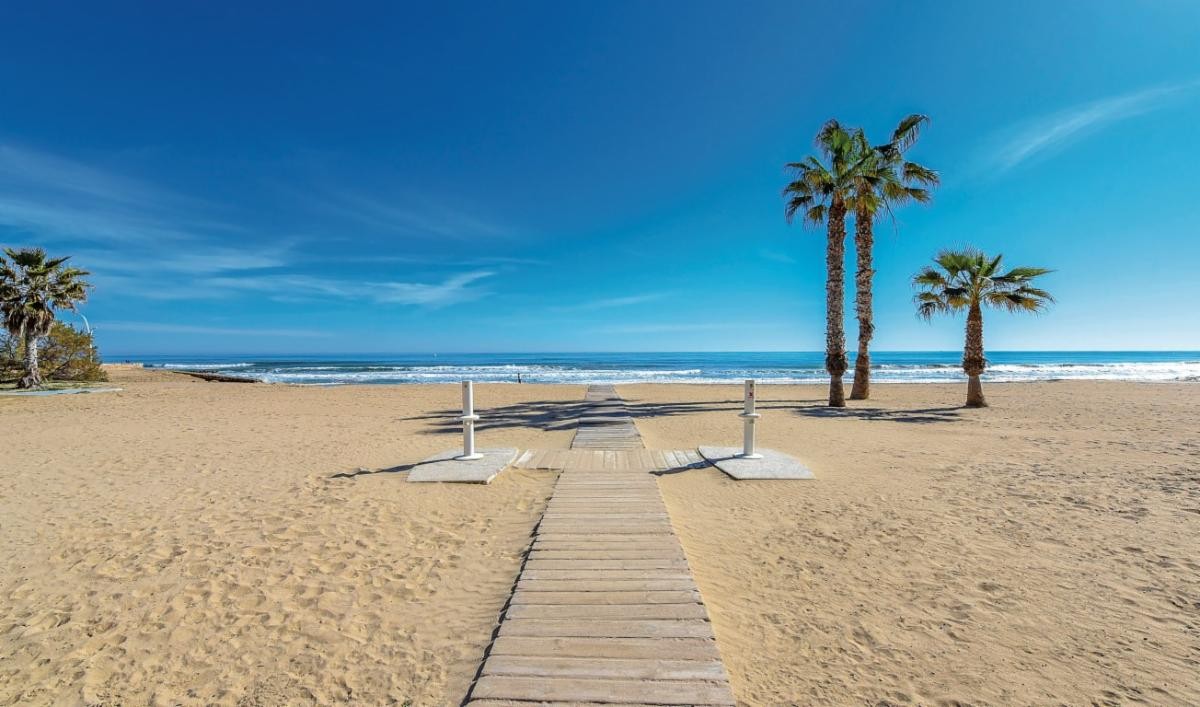
Despite rising interest in cities, it is Spain’s seaside locations that consistently generate the strongest buyer activity. Easy access to beaches, outdoor living, reliable infrastructure and year-round sunshine remain key drivers of overseas demand.
Marc Pritchard, Sales and Marketing Director at Taylor Wimpey España, highlights the emotional and lifestyle element behind coastal purchases:
“There’s nothing like continually grey skies to emphasise the appeal of owning a property by the sea in Spain. Blue skies and sunshine can deliver a marvellous boost to spirits, while the outdoor lifestyle that comes with living somewhere warm by the sea delivers both physical and mental wellbeing benefits.”
In recent years, the Costa Blanca, Costa del Sol and the Balearic Islands have attracted buyers from Spain, Poland, the Netherlands, the UK and Sweden, supported by good value, modern developments and strong rental potential.
Costa Blanca: value and sea views
The Costa Blanca remains one of the most competitive coastal markets in Spain. Buyers are drawn by its affordability compared to other Mediterranean hotspots, combined with established services, international schools and transport links.
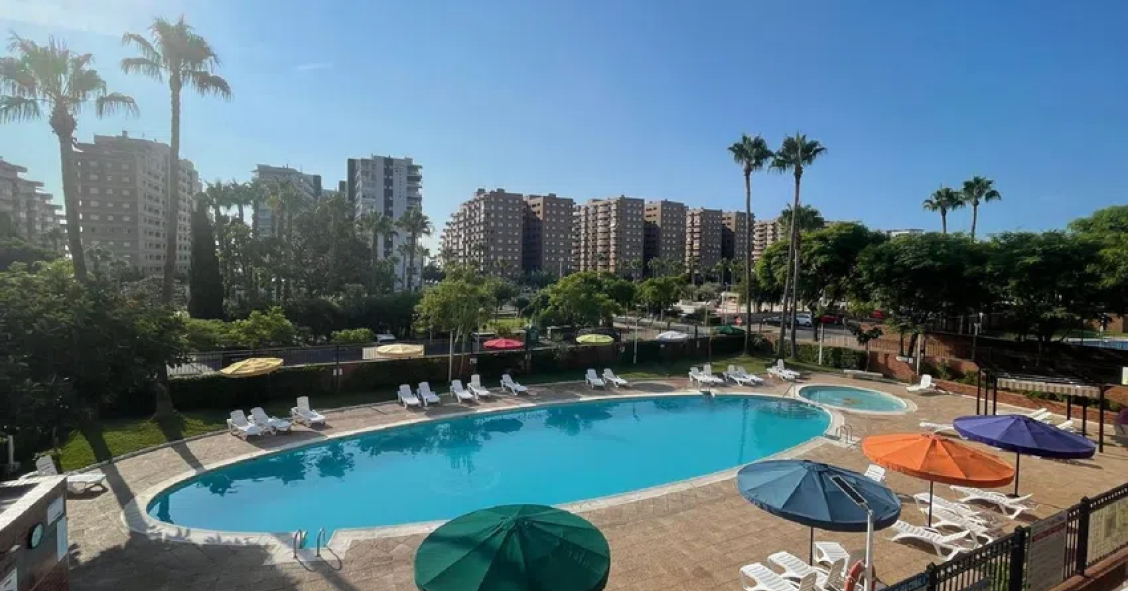
Developments close to beaches, such as those near La Mata in Torrevieja, are particularly popular. Apartments such as those at Eden Beach are within walking distance of the sea, offering terraces and Mediterranean views, appeal to both lifestyle buyers and investors seeking steady holiday rental demand.
With prices still accessible compared to other coastal regions, Costa Blanca continues to perform well among first-time international buyers.
Marbella and the Costa del Sol: prime coastal living
On the Costa del Sol, Marbella remains one of Spain’s most resilient luxury markets. Areas such as San Pedro de Alcántara offer a balance between traditional Andalusian charm and modern infrastructure.
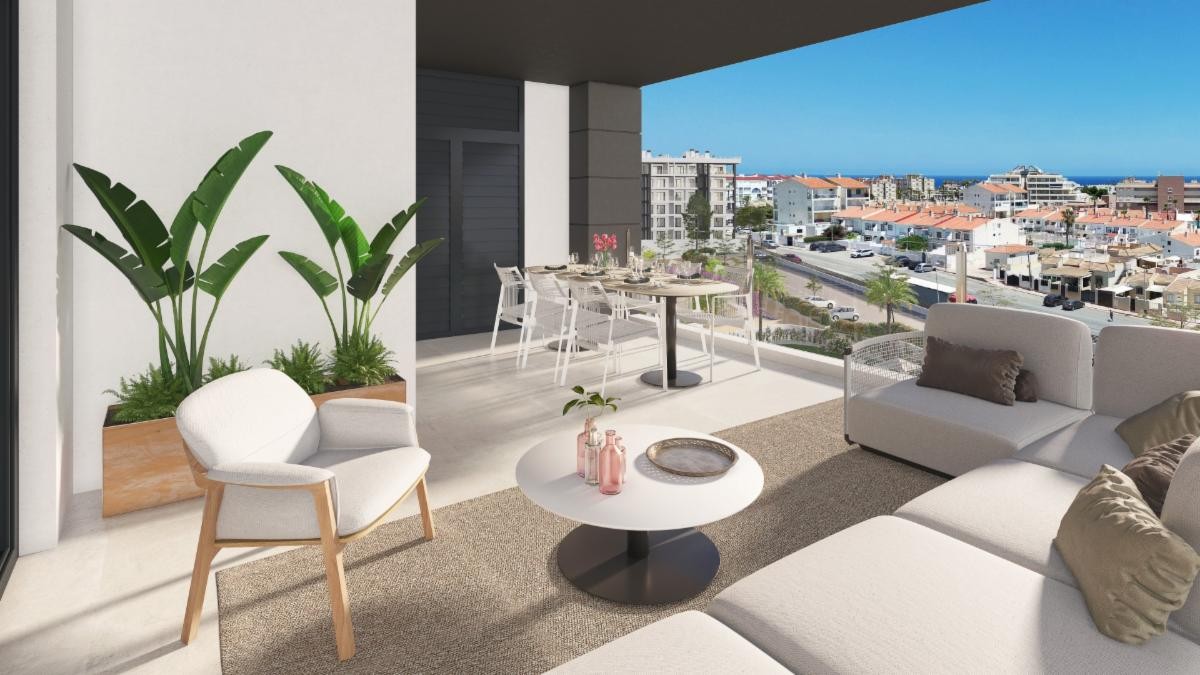
Properties close to the promenade, such as Mare, benefit from strong resale value and high year-round rental appeal. Wide avenues, cycling lanes, landscaped spaces, restaurants and shops make walkable neighbourhoods especially attractive to buyers who want convenience without relying on a car.
Improved air access to Málaga Airport in 2026 is expected to further strengthen interest in Marbella and surrounding municipalities.
Mallorca: island lifestyle with international demand
The Balearic Islands, and Mallorca in particular, continue to attract international buyers seeking an island lifestyle combined with excellent connectivity. New and expanded flight routes help support year-round usage rather than purely seasonal ownership.
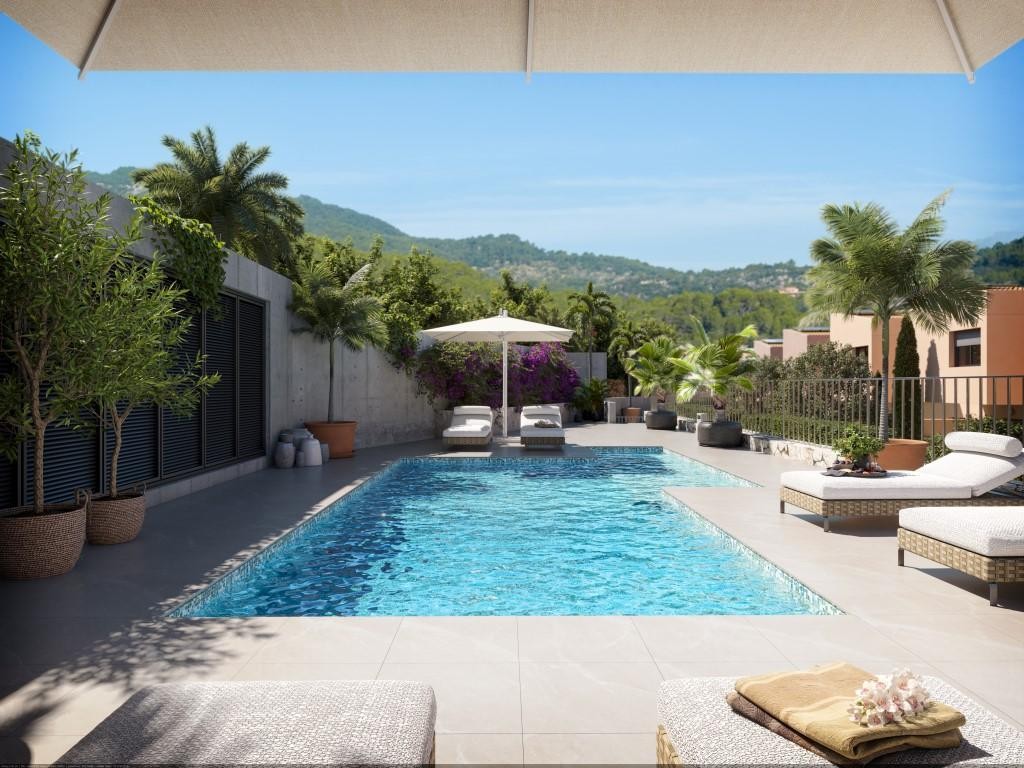
New homes in Es Voltor, located near the coast but also close to the Tramuntana Mountains, offer a combination of beach access and natural surroundings. Townhouses and low-density developments with terraces and gardens suit buyers looking for longer stays, remote working possibilities and family use.
Mallorca’s stable demand, limited land supply and strong tourism sector make it one of Spain’s most secure coastal property markets.
Energy efficiency and modern buyer preferences
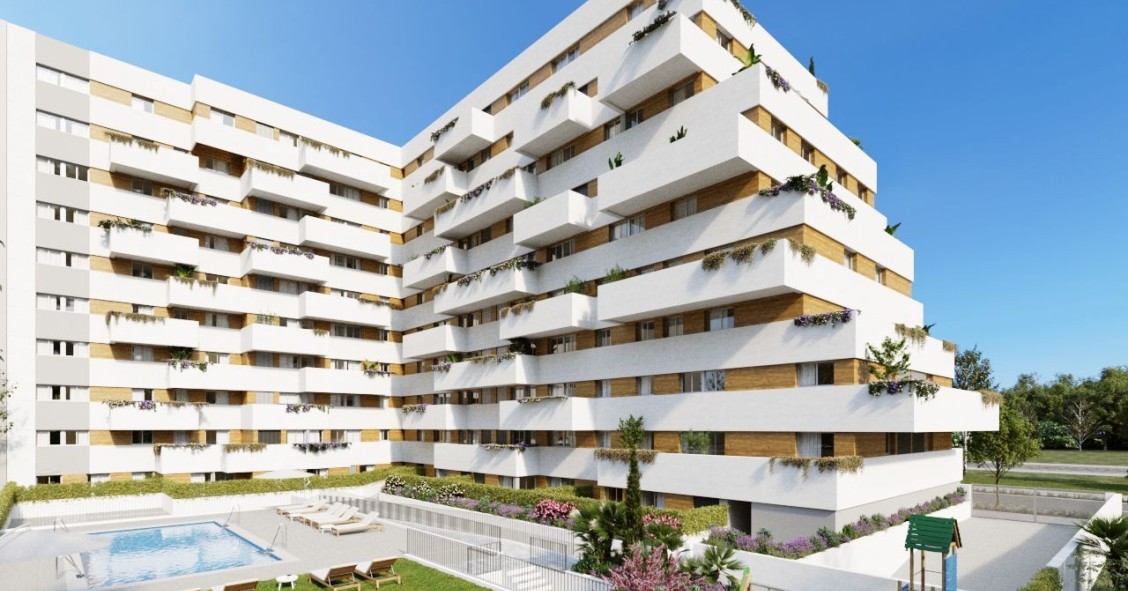
Beyond location, modern buyers increasingly prioritise energy efficiency. New-build homes with A-rated certification help reduce running costs and meet sustainability expectations, which is becoming an important factor for both owner-occupiers and investors.
Communal pools, landscaped gardens and smart layouts also improve rental performance and long-term capital value.
Flight routes as a property market driver
Transport connectivity plays a crucial role in property demand. As airlines expand their Spanish networks in 2026, Spain’s coastal regions become easier to reach for weekend trips, longer stays and spontaneous travel.
For buyers, this means greater flexibility, higher rental potential and stronger long-term market confidence.
With sunshine, infrastructure and accessibility aligned, Spain’s seaside property market enters 2026 in a strong position — supported not only by lifestyle appeal, but also by increasingly efficient connections with the rest of Europe.
What is VPO? A complete guide to social housing in Spain
If you are considering buying property in Spain, you may come across the term VPO. It appears frequently in listings, legal documents, and urban planning information, but many international buyers are unsure what it actually means.

Prefabricated brick houses: main advantages, prices and options in Spain
Prefabricated brick houses in Spain have emerged as an appealing option for those seeking a durable home with a traditional aesthetic, while benefiting from significantly shorter construction times than conventional builds. They combine the charm and appearance of a classic, timeless house with industrialised construction processes, offering better cost control, fewer unexpected issues, and improved overall build quality.

More than two million travellers now prefer home exchange to hotels
Amid rising travel costs and restrictions on mass tourism, peer-to-peer home exchange has emerged as a rapidly growing alternative. In 2025, more than two million people chose this model for holidays or tourist stays, reflecting steady growth compared with traditional accommodation options.

Tourism isn’t the problem – Spain just isn’t building enough homes
For Spanish economist Gonzalo Bernardos, the debate over tourist flats in Barcelona has been based on a fundamental misunderstanding. “The story has wiped out the facts,” he told a packed audience at the Círculo Ecuestre, where he discussed the real impact of banning short-term rentals. In his view, politicians and activists have picked an easy target, while ignoring the deeper issue: a chronic housing shortage.