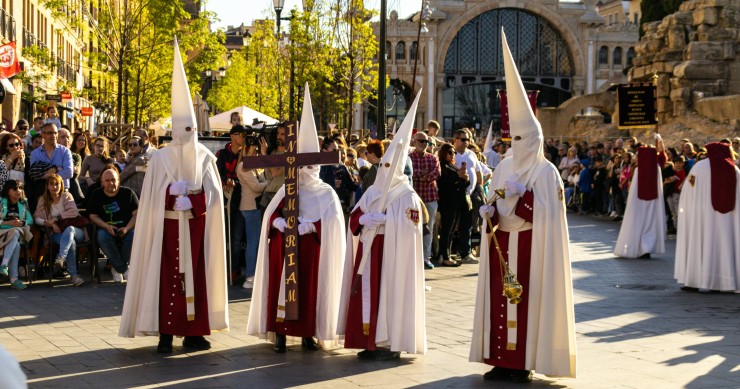
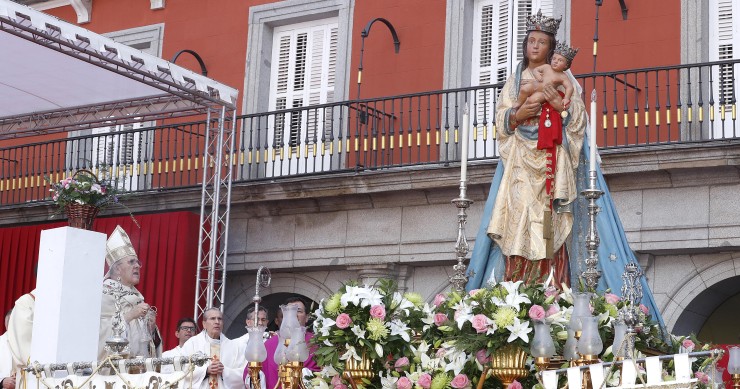
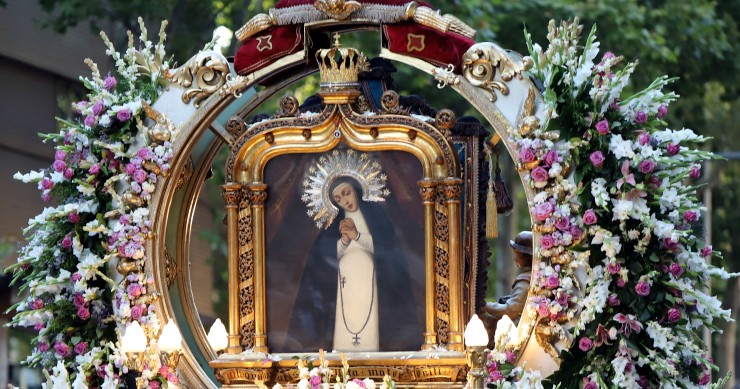
Holy Week in Seville is one of the most powerful cultural events in Spain. Semana Santa here isn’t just a religious celebration; it’s part theatre, part neighbourhood ritual, part endurance test.
In Spain, Easter is one of the most significant events of the year, with the biggest celebrations taking place during Holy Week — known locally as Semana Santa. But what exactly happens during Semana Santa in Spain?
Easter in Madrid 2026 boasts more than 30 official processions moving through the capital. The city’s Semana Santa is noticeably more restrained than in Seville or Málaga.
Every March, Valencia shifts into a different rhythm as Las Fallas takes over the streets with towering sculptures and thunderous fireworks for nearly three weeks.
Las Fallas 2026 in Valencia will once again transform the city into an open‑air museum of fire, art and tradition from 1 to 19 March 2026, with the main events taking place between 15 and 19 March.
Holy Week is one of the most important periods in Spain’s calendar, drawing thousands to its religious processions, public holidays and family gatherings.
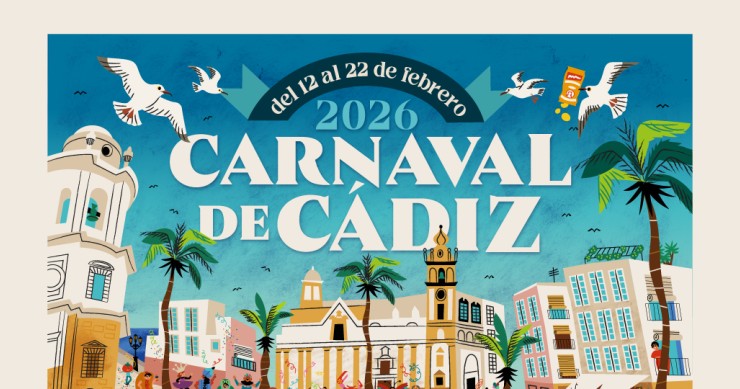
If you’ve ever been curious about why people get so misty‑eyed talking about Carnival in Cádiz, 2026 is a good year to understand it properly. This isn’t a glossy parade-first carnival like Tenerife.
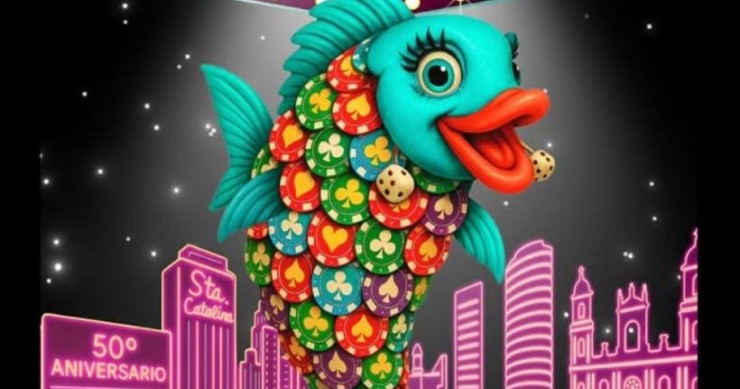
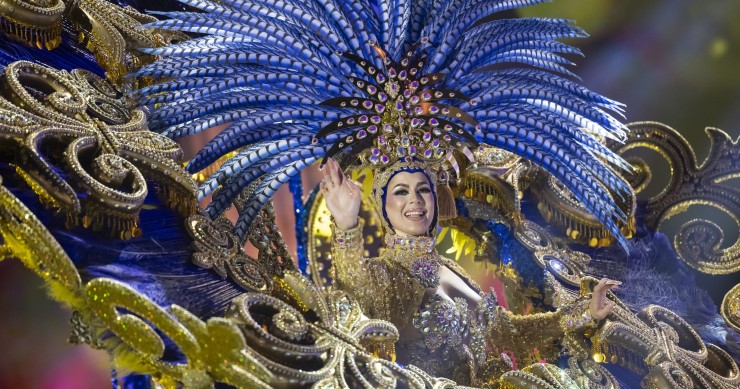
Tenerife Carnival 2026 in Santa Cruz is the island at full volume: live bands on every corner, outrageous costumes, and barely any sleep for about ten days. It’s one of the best carnivals in Spain and one of the biggest in Europe.
Carnival in Spain is the moment winter finally loosens up a bit. Streets fill with parades, sequins and brass bands, and kids march through town in costumes their parents cobbled together.
Carnival in Spain 2026 promises a spectacular celebration full of colour, music, and festive traditions. Across the country, cities and towns come alive with parades, street parties, and cultural events.
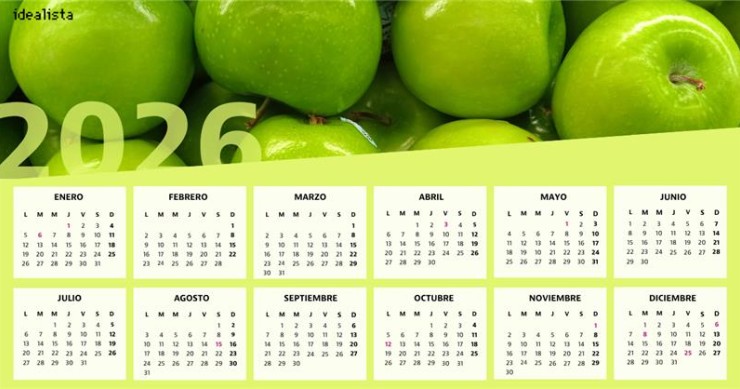
Spain’s public holiday system isn’t just about national dates like Christmas or Constitution Day. Each autonomous community also sets its own regional public holiday, or festivos, and every city chooses two local holidays on top.
Many bank holidays in Spain can be hard to keep track of, due to variations in holiday calendars across the country. Public holidays in Spain often depend on the region and, in many cases, the city itself.
In September, the city of Barcelona throws its biggest party of the year, La Mercè. It’s the local festa major, or main festival, and is essentially a massive, city-wide send-off to summer.
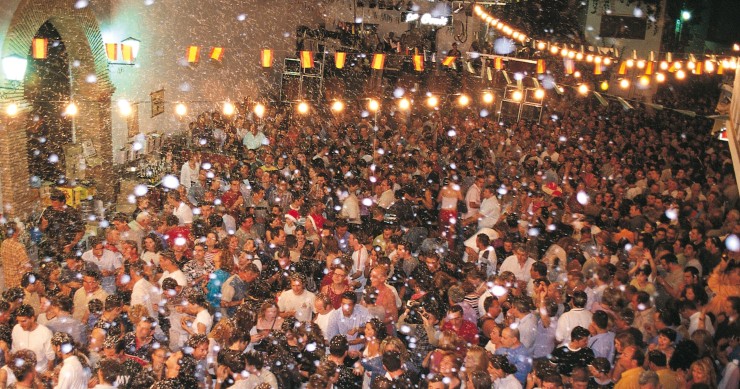
September in Spain has a special feel to it. As the intense heat of summer begins to fade and the crowds start to thin, the country comes alive with some of its most interesting celebrations.
Spain's calendar is peppered with public holidays, known locally as festivos. Many of these days off are rooted in the country's Catholic traditions, often marking feast days for various saints or other important religious events.
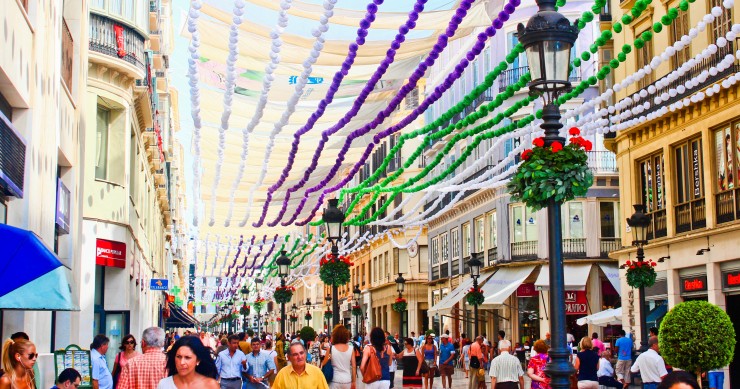
Málaga is often seen simply as the gateway to the Costa del Sol, but the city has a character all its own. It's a place with some serious historical weight, where you can trace the steps of Roman and Moorish civilisations through the old town's streets.
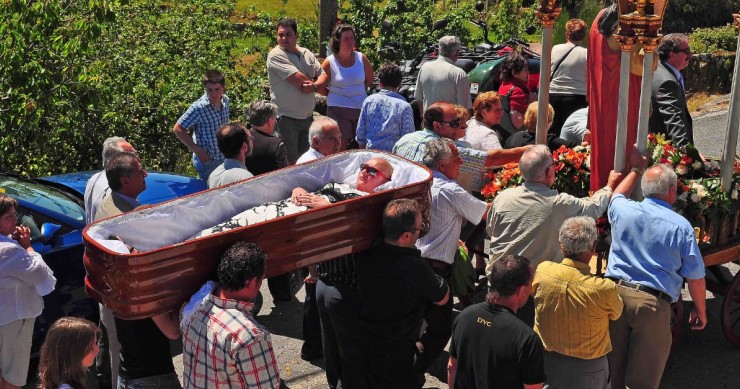
Looking for something a little out of the ordinary to pep up your Spanish summer? The Fiesta de Santa Marta de Ribarteme in As Neves is about as left-field as festivals get.
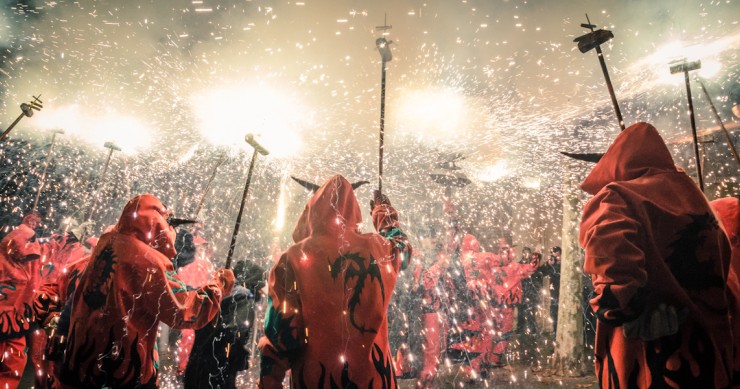
When it comes to festivals, Spain plays in a league of its own. We're talking about some wonderfully wacky traditions, many of which have been celebrated for centuries.