Love is in the air as 14th February 2026 approaches. But does Spain celebrate Valentine’s Day? The answer is yes! Known locally as “El Día de San Valentín,” Valentine’s Day in Spain is celebrated much like in other countries—with gifts, romantic gestures, and expressions of love for partners, friends, and family.
While Valentine’s Day in Spain is not as historically significant as Christmas or Easter, it is widely observed, and the country has some unique and fascinating customs that make it special. Here’s your complete guide to Spanish Valentine traditions in 2026.
Why is it called Valentine’s Day?
Valentine’s Day is named after Saint Valentine, an Italian bishop born in Umbria around 174 BC, later canonised by the Catholic Church. In Spain, a traditionally Catholic country, saint-based celebrations hold cultural significance. Each day of the year is dedicated to a saint, sometimes two. Saint Valentine, associated with love, kindness, and health (his name itself means “healthy”), is often depicted holding a palm leaf and a sword, symbols of love and matrimonial unity.
Legend has it that Bishop Valentine defied a Roman decree banning soldiers from marrying and was executed on 14th February. Although the Catholic Church removed this day from its official calendar in 1969, Valentine’s Day continues to be celebrated worldwide.
How does Spain celebrate Valentine’s Day?

Is Valentine’s Day a holiday in Spain?
While Valentine’s Day in Spain is widely celebrated, it is not a public holiday. Couples and loved ones express their affection with gifts, red roses, Spanish Valentine’s Day cards, and romantic dinners in restaurants.
But Valentine’s Day in Spain is not only about romantic love—it’s also a day to celebrate friendship. Friends often exchange cards, chocolates, or small tokens of appreciation.
What do Spanish people call Valentine’s Day?
In Spain, Valentine’s Day is called “Día de San Valentín.” Couples celebrate by exchanging flowers, gifts, and cards, often enjoying a special meal together. Friends may also exchange tokens of affection, making it a celebration of love in all its forms.
More than one "Day of Love" in Spain
In addition to 14th February, some regions of Spain celebrate love on other dates:
- Catalonia (Barcelona): On 23rd April, the Sant Jordi festival celebrates the city’s patron saint. Known as the Catalan Valentine’s Day, people exchange books and roses to show love and affection.
- Valencia: Love is celebrated on 9th October, coinciding with San Dionisio’s feast day. Locals exchange gifts, often marzipan wrapped in handkerchiefs, which are kept as symbols of enduring love.
Singles can celebrate too
Spain is embracing Single’s Day, known locally as “El Día de los Solteros.” Celebrated on 13th February, the day before Valentine’s Day, it recognises the joys of being single. While originally popular in China, Single’s Day is now gaining recognition across Spain, giving everyone a reason to celebrate love, even if it’s self-love.
LGBTQ+ friendly Valentine’s Day in Spain
Spain is one of the most LGBTQ+ friendly countries in Europe. Valentine’s Day celebrations are inclusive, with LGBTQ+ events and parties held across the country, particularly in Madrid. Love in Spain is for everyone, and Valentine’s Day 2026 continues to reflect this openness.
Valentine’s Day food in Spain
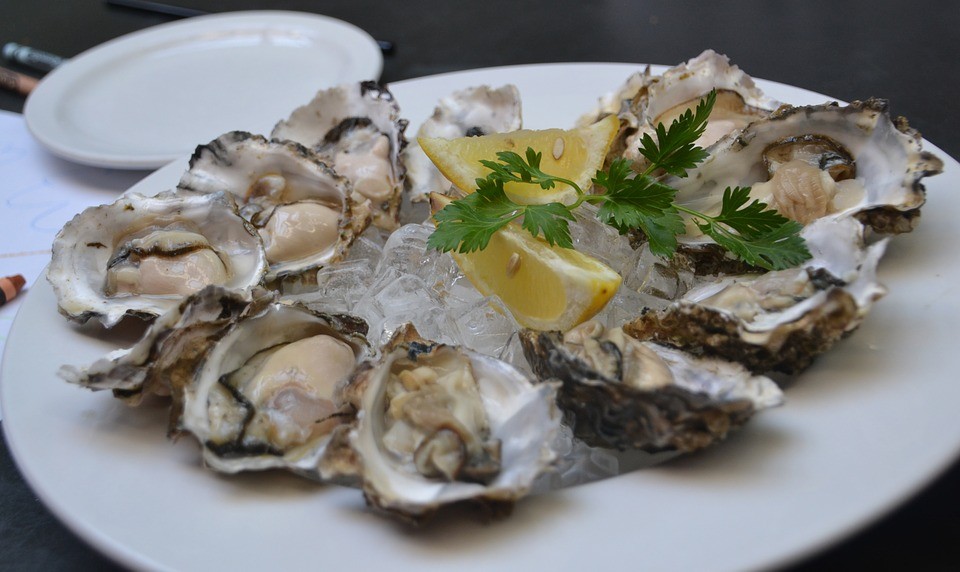
Food plays a central role in Spanish Valentine’s Day traditions. While there isn’t a specific Valentine’s Day-only dish, Spaniards often celebrate with chocolates, cakes, and heart-shaped treats.
For a romantic touch, you can cook classic Spanish dishes such as:
- Galician oysters as a luxurious starter
- Flan de huevo for a light, sweet dessert
Many Spanish restaurants offer special Valentine’s menus, including gourmet meals, champagne, and candlelit settings, perfect for a memorable evening.
How to say “Happy Valentine’s Day” in Spanish
When greeting your loved ones in Spain, simply say:
“¡Feliz Día de San Valentín!”
This simple phrase works for partners, friends, and family alike, spreading love in true Spanish style.