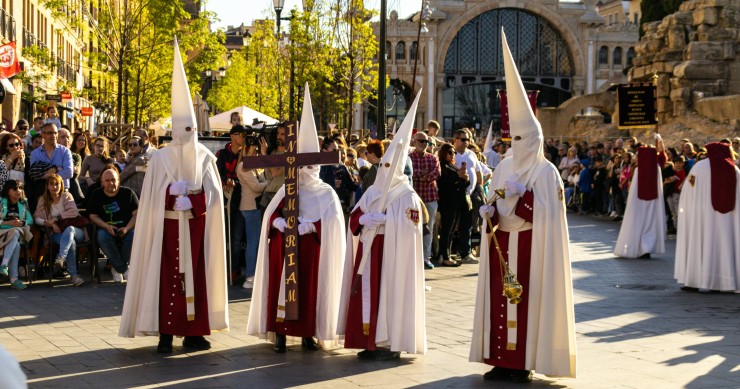
Holy Week in Spain goes far beyond a religious event; it’s a week of candlelit processions, centuries-old brotherhoods and whole towns moving in quiet unison.
Holy Week in Seville is one of the most powerful cultural events in Spain. Semana Santa here isn’t just a religious celebration; it’s part theatre, part neighbourhood ritual, part endurance test.
In Spain, Easter is one of the most significant events of the year, with the biggest celebrations taking place during Holy Week — known locally as Semana Santa. But what exactly happens during Semana Santa in Spain?
Easter in Madrid 2026 boasts more than 30 official processions moving through the capital. The city’s Semana Santa is noticeably more restrained than in Seville or Málaga.
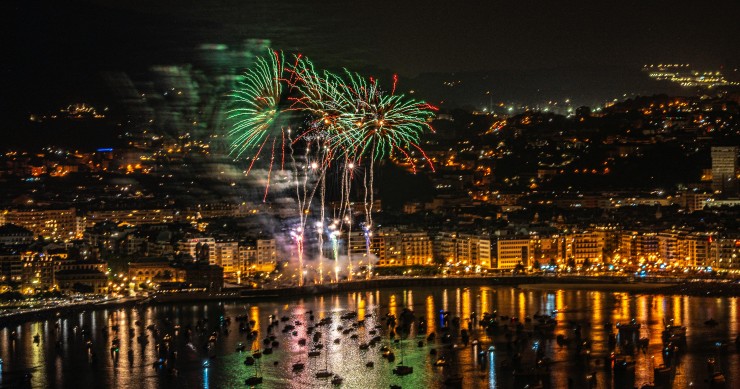
Every March, Valencia shifts into a different rhythm as Las Fallas takes over the streets with towering sculptures and thunderous fireworks for nearly three weeks.
Las Fallas 2026 in Valencia will once again transform the city into an open‑air museum of fire, art and tradition from 1 to 19 March 2026, with the main events taking place between 15 and 19 March.
Holy Week is one of the most important periods in Spain’s calendar, drawing thousands to its religious processions, public holidays and family gatherings.
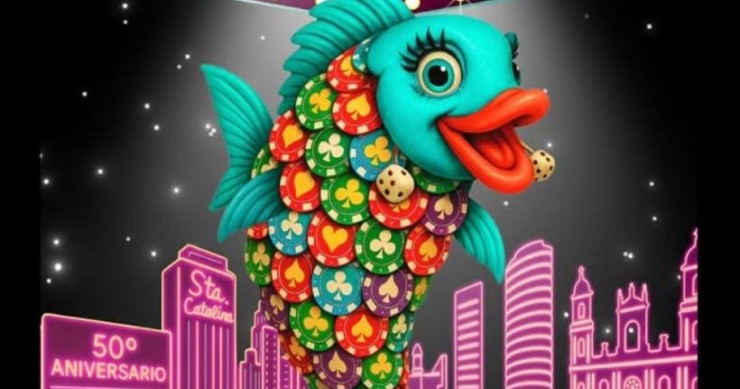
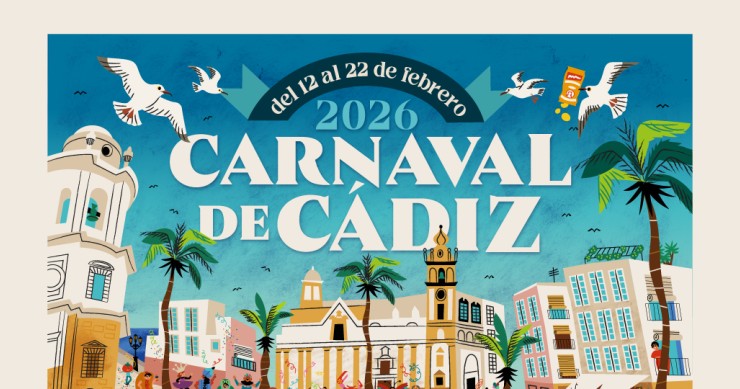
If you’ve ever been curious about why people get so misty‑eyed talking about Carnival in Cádiz, 2026 is a good year to understand it properly. This isn’t a glossy parade-first carnival like Tenerife.
Carnival in Spain 2026 promises a spectacular celebration full of colour, music, and festive traditions. Across the country, cities and towns come alive with parades, street parties, and cultural events.
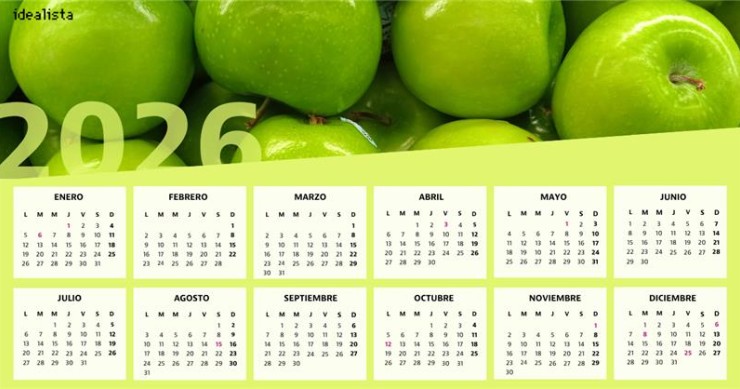
Spain’s public holiday system isn’t just about national dates like Christmas or Constitution Day. Each autonomous community also sets its own regional public holiday, or festivos, and every city chooses two local holidays on top.
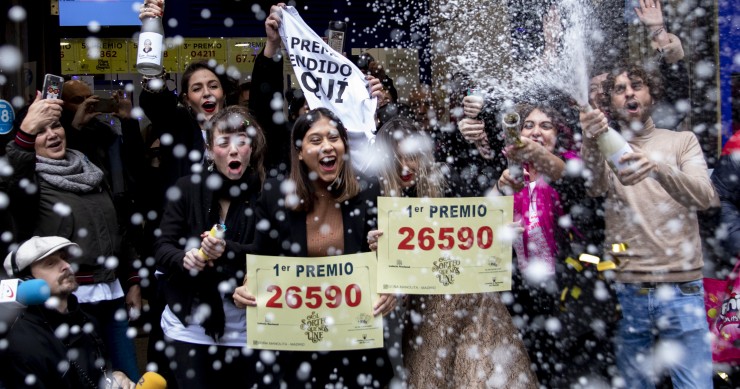
If there’s one Spanish tradition that gets absolutely everyone talking in December, it’s the Spanish Christmas Lottery, Lotería de Navidad, better known as El Gordo.
How is Christmas celebrated in Spain? Spanish Christmas traditions are full of colour, culture, and quirky customs. From unique decorations to festive foods and New Year rituals, Spain’s celebrations are both traditional and delightfully unusual.
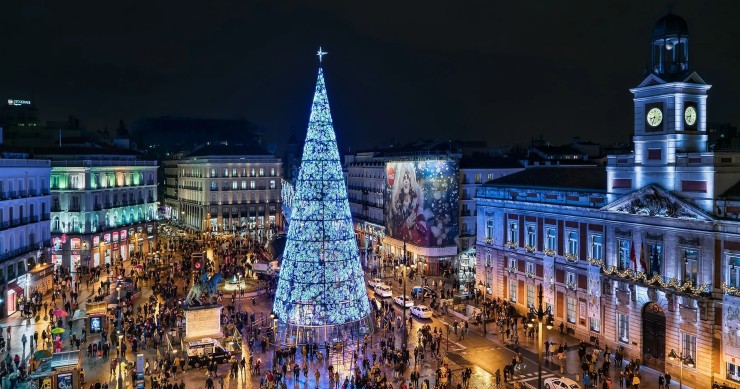
New Year’s Eve traditions in Spain feel both homely and theatrical, with families glued to the same clock and strangers hugging in the street two minutes later. What is the Spanish tradition for New Year’s Eve?How to eat the 12 grapes at midnightWhy Spain eats 12 grapes on New Year’s EveWhere t
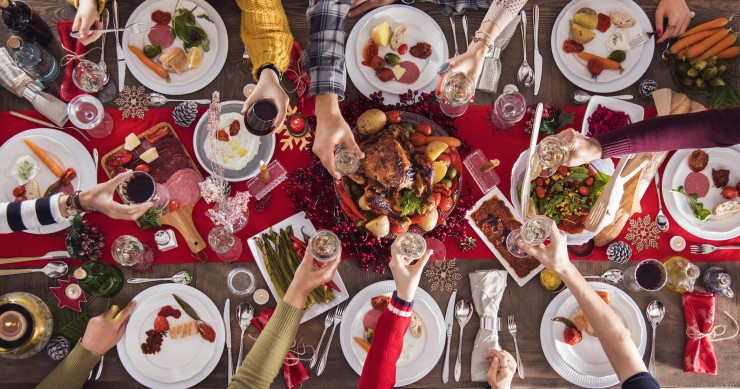
Christmas in Spain is a long, food‑centred season running from Nochebuena through Christmas Day to Reyes. Families linger over traditional Christmas food in Spain with long lunches and generous starters, roasts and shellfish.