Alberto Núñez Feijóo says he would pass three housing laws within 100 days of taking power, and offer tax deductions to landlords who keep rent rises below inflation.
Spain’s Supreme Court delivered a landmark ruling last June against squatters.Up until now, it was regarded as a criminal offence to shut off the utilities of your home if you had squatters living inside. This was regarded as a coercion offence, which is punishable by jail time.
In recent years, as occupied properties have increased in Spain, a curious trend has emerged – more people are buying homes with squatters, drawn by their below-market prices. But is it really a good idea?
Since April 2025, Spain requires extrajudicial attempts before eviction – but two summary procedures let owners act quickly against squatters with few defences.
A new squatting case in Calvià, Mallorca, has once again highlighted the insecurity faced by homeowners. The story begins in August 2024, when a wealthy family rented a luxury property with a private swimming pool for €3,000 a month. In October 2025, however, the Danish tenant terminated the lease and returned to his home country, leaving his ex, a Cuban woman, and her two young children in the property.
The Valencian Housing and Land Authority (EVHA), part of the regional government, has awarded a €4.7 million contract to install, maintain and replace 300 individual alarm and security systems in its public housing stock to deter illegal occupation. EVHA Director General, Estefanía Martínez, said break-ins and squatting are among the most serious problems affecting these homes.
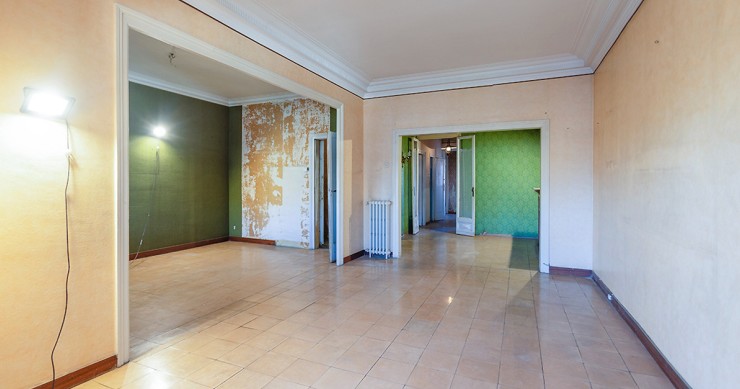
In just a few years, the number of occupied properties offered for sale has grown sharply. A large proportion are located in Catalonia, where transactions are increasing.
Illegal occupation, also known as squatting, is one of the biggest fears for any property owner. That's why it's crucial to know the legal status of any property before buying it.
The Spanish Government will approve a royal decree at its next Cabinet meeting that includes funding to support landlords in cases of unpaid rent, specifically for leases to young people or vulnerable families.
Illegal squatting in Spain has taken on a new profile. It is no longer limited to abandoned flats in peripheral neighbourhoods, but now includes villas with swimming pools, holiday homes, and luxury penthouses left vacant for part of the year.
Lawsuits over squatting in Spain broke the trend twice in the second quarter of this year. After a sharp rise in cases during the first months of 2025, the volume of new filings dropped significantly in spring.
A court in Palma has convicted a woman of two offences: illegally occupying a property and installing a 6,000-litre pool on the flat’s terrace, which caused structural damage to the building and put other residents at risk. As a result, the judge ordered the squatter to pay €8,000 in compensation, although the owner estimates the damage to be “in the tens of thousands of euros.”
The sale of homes without vacant possession is becoming increasingly common in the Spanish property market, now accounting for 3% of all properties for sale in the country, according to a study by idealista based on listings in its database for Q3 2025.
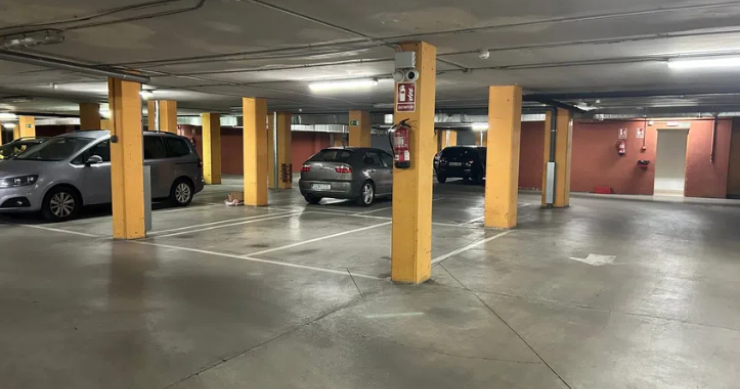
Illegal squatting is no longer limited to homes: private garages have become a new target. An increasing number of owners in major cities are reporting intrusions into their parking spaces, leading to both legal and financial disputes. Although the law provides for penalties and eviction procedures, these processes are often protracted, leaving those affected to resort to temporary solutions.
Traditionally, squatters in Spain have targeted vacant houses or centrally located flats. In recent months, however, the trend appears to have shifted, with a rise in the unlawful occupation of country homes, farmland and even parking spaces.
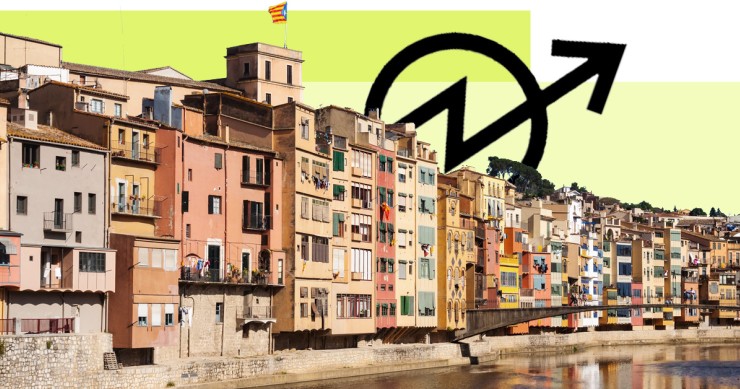
A family in Girona believed they had finally ended the ordeal of seeing their home occupied. After months of helplessness, they used their own keys to reclaim what was rightfully theirs. But their relief lasted only a few days: a court ordered them to return the property to the squatters, ruling that the repossession had been carried out without judicial authorisation. The case has reignited debate over the legal complexities and perceived absurdities surrounding squatting in Spain.
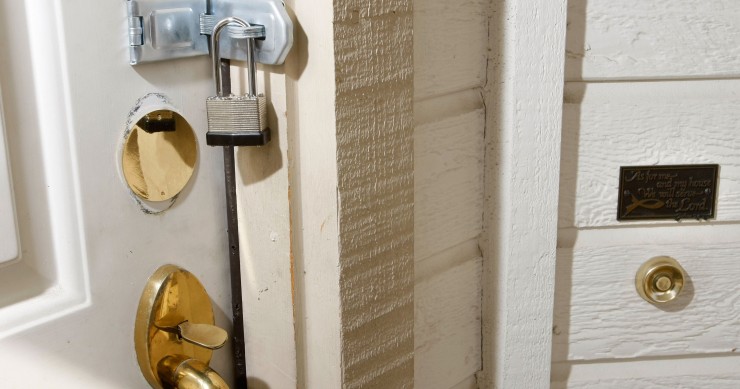
The Local Police of Almenara (Castellón) have warned residents on social media about a new squatting tactic. Squatters are using deceptive methods to occupy empty homes without immediate detection.Their approach involves adding a padlock and chain or even changing the lock on a vacant property.
Putting up an alarm sign without actually contracting the service can prove very costly. Under the Private Security Law, anyone using the name or logo of a security company without authorisation faces fines of up to €600 per day. Although often used to deter burglars or squatters, this practice amounts to a legal offence for impersonating a company.
As holiday squatting rises, homeowners are increasingly turning to advanced technology to protect their properties. From smart cameras to smoke-repellent systems, these are the anti-squatter devices gaining popularity in Spanish homes this summer.
Alcúdia, a historic walled town in northern Mallorca, is a favourite destination for British holidaymakers, known for its picturesque old town, family-friendly beaches, and large resort complexes.
The new anti-squatting law, outlined in Organic Law 1/2025, enables landlords to evict squatters within 15 days through expedited trials for offences such as trespassing and squatting. However, experts have raised concerns about its effectiveness, citing the potential for lengthy judicial processes and cases involving vulnerable individuals. The law does not address the issue of "inquiokupas," tenants who refuse to pay rent. Judicial backlog and a lack of resources are seen as the key obstacles to its successful implementation.
The sale of homes without possession is notably impacting the Spanish property market. Once virtually unheard of, these properties now account for 2.6% of all homes for sale in Spain, according to a study published by idealista based on listings from the Q4 2024.