

Living in Rincón de la Victoria means a year‑round coastal routine just east of Málaga, in a municipality of roughly 50,000 spread across various areas. It runs on a year‑round rhythm with calm winters, a long paseo for evening strolls, and simple food pleasures like espetos and pescaíto frito. Landmarks such as the 18th‑century Casa Fuerte de Bezmiliana add a dash of history to an otherwise practical, daily‑life kind of place.
- Is Rincón de la Victoria a good place to live?
- Pros and cons of living in Rincón de la Victoria
- Cost of living in Rincón de la Victoria
- Best areas and neighbourhoods in Rincón de la Victoria
- Getting around Rincón de la Victoria and commuting
- Living in Rincón de la Victoria or Málaga city?
- Live like a local in Rincón de la Victoria
Is Rincón de la Victoria a good place to live?
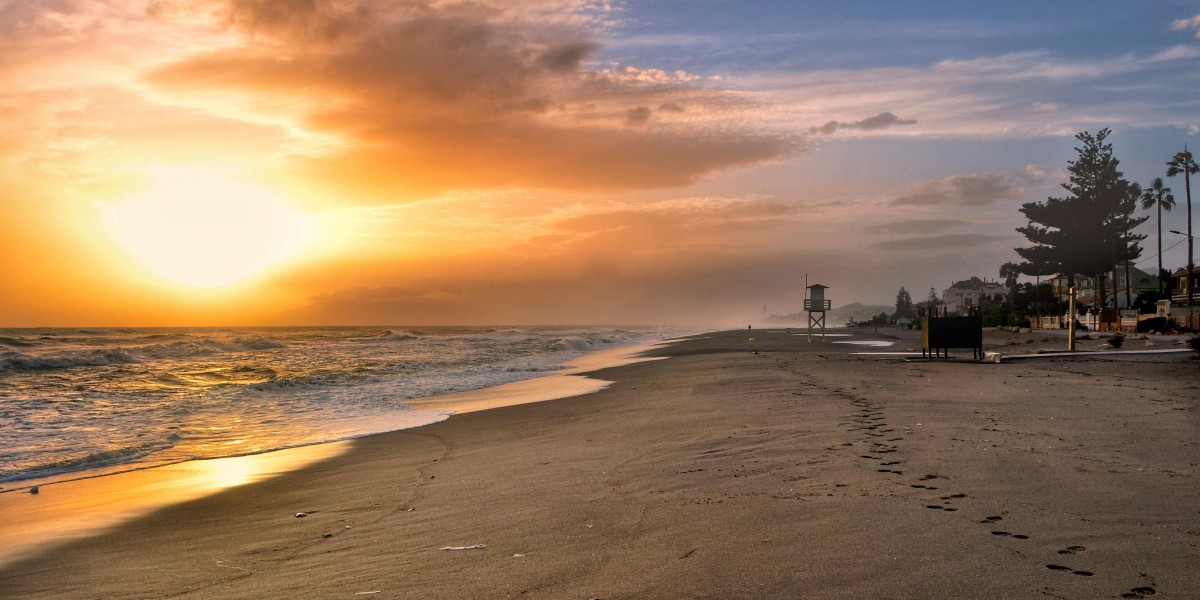
If you want beach‑first living with straightforward access to Málaga, this spot along the Costa del Sol is great. You get family‑friendly amenities, frequent buses and the A‑7 on your doorstep, plus schooling options like Novaschool Añoreta and plenty of sports from padel clubs to Añoreta Golf.
Housing ranges from walkable seafront flats to bigger homes eastwards and in the hills, with the usual trade‑offs: summer traffic and quieter nightlife than the city, but a solid community feel and everyday convenience.
Pros and cons of living in Rincón de la Victoria
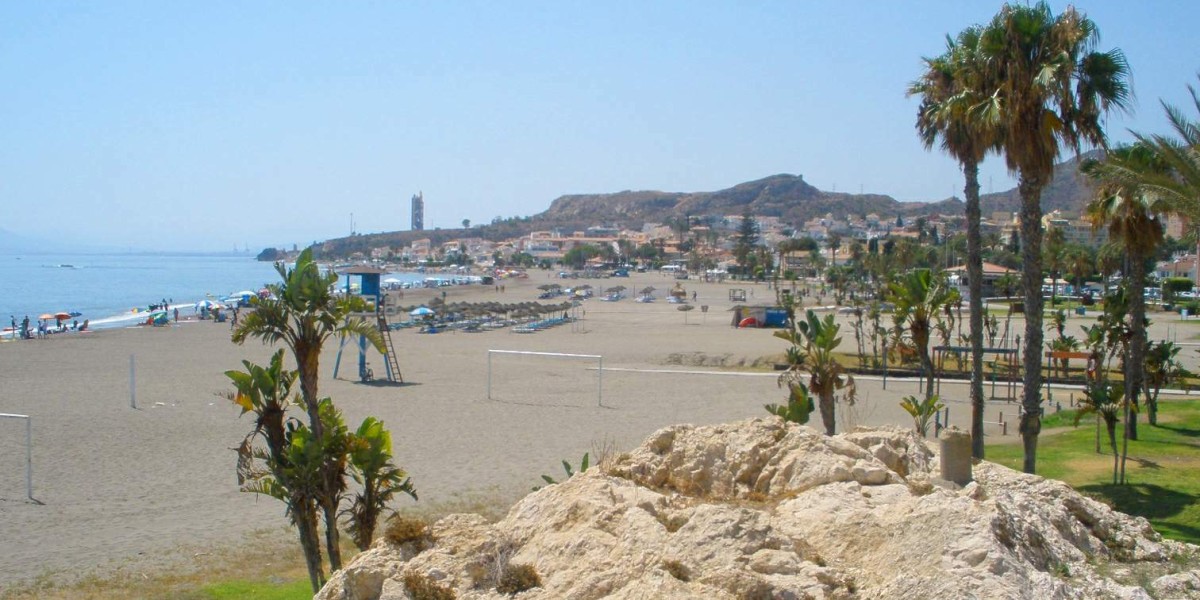
Life here comes with clear upsides and a few trade‑offs, so here are the pros and cons of living in Rincón de la Victoria in a nutshell.
Some of the pros of life in Rincón de la Victoria include:
- Quick access to Málaga: the A‑7 is on your doorstep and buses are frequent, so commuting to the city, airport or AVE is straightforward.
- A year‑round seaside routine: long promenade for the evening paseo, easy beaches and the coastal Senda Litoral, plus padel clubs and Añoreta Golf for staying active.
- Strong day‑to‑day convenience: good supermarkets and services, family‑friendly urbanisations with parking and pools, and schooling options.
Some of the cons of life in Rincón de la Victoria include:
- Transport limits: there’s no local train, so you’ll rely on buses or a car. Plus, summer traffic and parking near the paseo can be a headache.
- Quieter nights: fewer late bars and cultural events than Málaga, which some miss after the first few months.
Cost of living in Rincón de la Victoria

Day-to-day spending is reasonable for the Costa del Sol. A simple main course at a neighbourhood restaurant comes in around €12.50, while a meal for two at a mid-range spot is roughly €44. A beer costs around €3, a coffee averages €2, and a fresh white loaf typically sells for €1.30.
Getting around is easy on the wallet: a monthly bus pass costs €19.95, with single journeys priced at €1.40. Expect a monthly gym membership of around €27, and basic utilities for an 85 m² flat to land somewhere between €100 and €200 per month, depending on season and usage. Compared with larger Spanish cities, everyday prices feel lower than in Madrid or Barcelona and broadly similar to Málaga.
As of August 2025, property prices in Rincón de la Victoria averaged €3,202 per m², up 18.6% year on year. In the same month, rent prices in Rincón de la Victoria averaged €13.3 per m². That means an 80 m² flat would typically be about €1,064 per month.
Best areas and neighbourhoods in Rincón de la Victoria
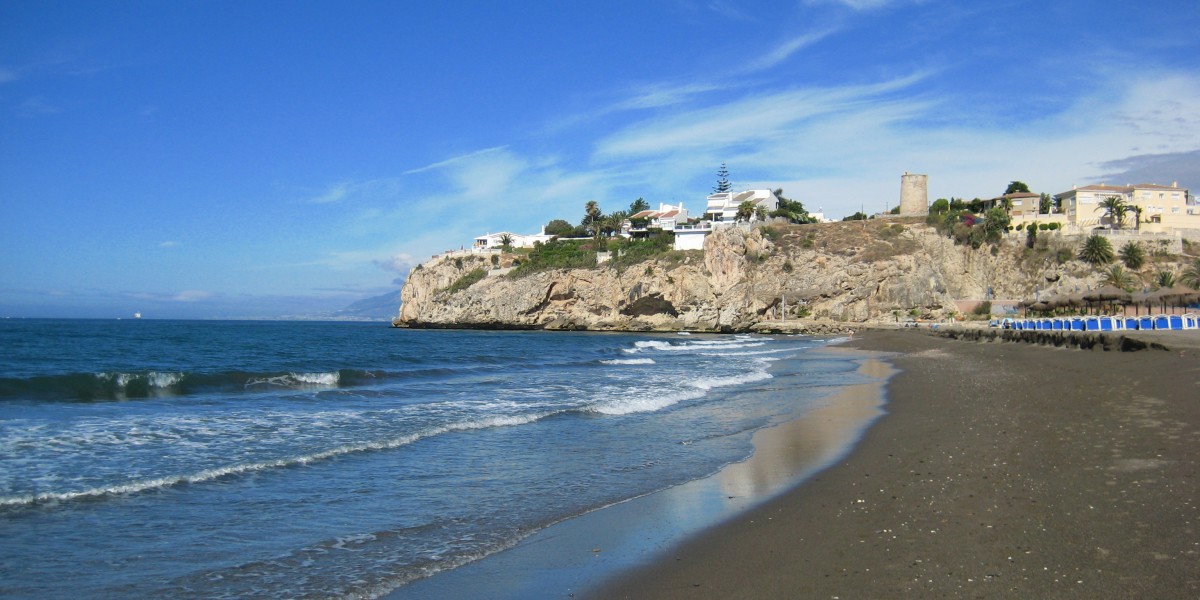
Rincón runs west–east along the coast with inland hills rising behind. The west side is closest to Málaga and suits commuters, the centre has the longest paseo and most day-to-day services, while the east has more space and family estates. Most internationals settle along the coast in La Cala and Torre, with families also drawn to Añoreta and the hillside urbanisations.
La Cala del Moral (west)
Compact and convenient for the Málaga commute, with a sandy beach, cliff tunnels at El Cantal and plenty of cafés and bakeries. Homes near the promenade come at a premium, and parking is tight in summer, but everyday errands are walkable. Suits commuters, couples and young families who want quick city access without living in Málaga.
Rincón de la Victoria (centre)
The most urban stretch, with shops, services and the longest paseo for the evening stroll. Expect older apartment blocks by the seafront and newer builds a few streets back. Summer crowds and parking are the main trade-offs. Good for anyone who wants everything on foot and an easy routine year-round.
Torre de Benagalbón
Quieter beaches, wider streets and family‑focused developments with pools and parking define this stretch. You’ll see plenty of semi‑detached houses, villas and modern apartments close to the shore, with a car useful for errands and school runs. It suits families, pet owners and anyone prioritising space and outdoor living.
Añoreta (east)
Añoreta Golf leans towards gated estates, golf‑side apartments and roomy townhouses, plus some villas on calmer streets. Expect community pools, decent parking and slightly hillier terrain. A car is handy for shops and school drop‑offs. Popular with families and golfers who want space without losing beach access.
Benagalbón, Cotomar & Parque Victoria (inland and hills)
A traditional village core plus hillside urbanisations with views, cooler nights in summer and better value on space than the seafront. Daily life is quieter and more car-dependent, but schools and services are within a short drive. A good fit for families, remote workers and anyone after peace and room to spread out.
Getting around Rincón de la Victoria and commuting

Getting around Rincón de la Victoria is mostly by road along the A‑7. Málaga‑Centro is usually 20–35 minutes off‑peak, but rush hour can push past 45 with pinch points near El Palo and the local junctions. Málaga‑Costa del Sol Airport tends to be 30–40 minutes by car. There’s no Cercanías or metro here, so buses on the Málaga Area Transport Consortium network do the heavy lifting, taking roughly 30–45 minutes into the centre with fewer services late at night.
Along the coast, everyday errands are walkable and bike‑friendly via the promenade and El Cantal tunnels, while e‑bikes help on the hillier inland estates.
Many residents commute to Málaga by car, leaving before 8 am or after 9.30 am to dodge the worst queues. Hybrid schedules are common, with a couple of office days and the rest at home. Getting to Málaga Tech Park on the far side of the city needs extra time. Some people park around El Palo or Pedregalejo and switch to an EMT bus to avoid cross‑town congestion.
Living in Rincón de la Victoria or Málaga city?
Choosing between Rincón de la Victoria and Málaga comes down to pace and priorities. Rincón suits beach living, larger homes and quieter evenings, with many people timing the 20–35 minute commute to the city around rush hour. Málaga is the pick for a walk‑everywhere routine, galleries and gigs on your doorstep, stronger nightlife and no need to faff with parking.
On price, Málaga is pricier per m² than Rincón. As of August 2025, property prices in Málaga city averaged around €3,549 per m², and rent prices averaged €15.5 per m². Day‑to‑day costs are broadly similar, but space and parking are easier to find in Rincón, while Málaga trades square metres for culture and convenience.
Live like a local in Rincón de la Victoria

Living like a local in Rincón de la Victoria is all about easy routines: the evening paseo along the promenade, unfussy seafood at beach bars, and a steady calendar of small-town fiestas. It’s a year‑round community with mellow winters and lively summers, so the best things to do in Rincón de la Victoria blend sea, food and simple pleasures.
- Stroll the seafront at sunset between La Cala del Moral and the central strip via the El Cantal cliff tunnels, then linger for a quiet chat on a bench.
- Order espetos on the sand at a chiringuito, add a plate of boquerones en vinagre or fritura malagueña, and keep it no‑frills with a cold beer.
- Do breakfast the Málaga way: a tostada with tomato and olive oil or a pitufo at a café, then a mid‑morning coffee when the promenade wakes up.
- Shop the weekly street market for seasonal fruit, veg and olives, and top up at neighbourhood fruterías and bakeries rather than big supermarkets.
- Start the day with an early swim or try a SUP session when the sea is calm; save long beach sessions for late afternoon once the sun eases.
- Pop into the 18th‑century Casa Fuerte de Bezmiliana for rotating exhibitions, and head to the Cueva del Tesoro sea cave in the morning before it gets busy.
- Book a court for evening padel or tennis at the municipal facilities, or hit a bucket at Añoreta Golf’s practice areas after work.
- Mark summer dates: the Virgen del Carmen maritime procession in July and the local feria with music, rides and late dinners with friends.
- Join a casual intercambio language meet‑up at a café, say a friendly “buenas” to shopkeepers, and get used to long, late meals with plenty of conversation.
Stay in the know about living in Spain as a foreigner—get our weekly newsletter for the latest travel, legal, and lifestyle news.
For a taste of the high life, sign up for the monthly luxury market round-up