When people picture the Spanish coast, they tend to imagine long Mediterranean summers and packed beaches in Cataluña or the Balearics. A region in northern Spain tells a different story. Often described as the least visited coastal region in Spain, it is greener, cooler and noticeably less crowded than the country’s Mediterranean hotspots.
The contrast in numbers is striking. Cataluña welcomed around 20.1 million tourists in 2025, according to the INE, while both the Balearic and Canary Islands reached 15.7 million. This little Sanish region, by comparison, saw just over two million visitors and around six million overnight stays.
- Where to go in Spain to avoid the crowds
- Why Cantabria is a cooler alternative to southern Spain
- Medieval port towns in Cantabria worth visiting
- Prehistoric caves and deep history
- Hiking in Cantabria and the Picos de Europa
- Santander: seafood, beaches and contemporary art
- Comillas and Gaudí’s northern detour
- Visiting Cantabria without a car
Where to go in Spain to avoid the crowds

Overtourism has become part of the conversation in several Spanish destinations, particularly in Barcelona and on the islands during peak summer. Accommodation prices rise sharply, beaches fill early in the day and city centres can feel stretched.
Cantabria operates on a different scale. Even in July and August, you are more likely to find space on the sand, room in a seaside restaurant and walking trails that feel properly immersed in nature rather than funnelled into a queue.
Why Cantabria is a cooler alternative to southern Spain
The first thing to understand about the Cantabria coast is the climate. This is Atlantic Spain, not the Costa del Sol. Rain is part of the rhythm of life here, and summer temperatures rarely climb much above 25°C.
For anyone who wilts in 35-degree heat, it’s a relief. The regular rainfall keeps the countryside intensely green, with rolling hills that feel closer to northern Europe than southern Spain.
You won’t find endless rows of all‑inclusive resorts. Instead, there are small seaside towns, local seafood restaurants and a slower, more grounded atmosphere.
Medieval port towns in Cantabria worth visiting
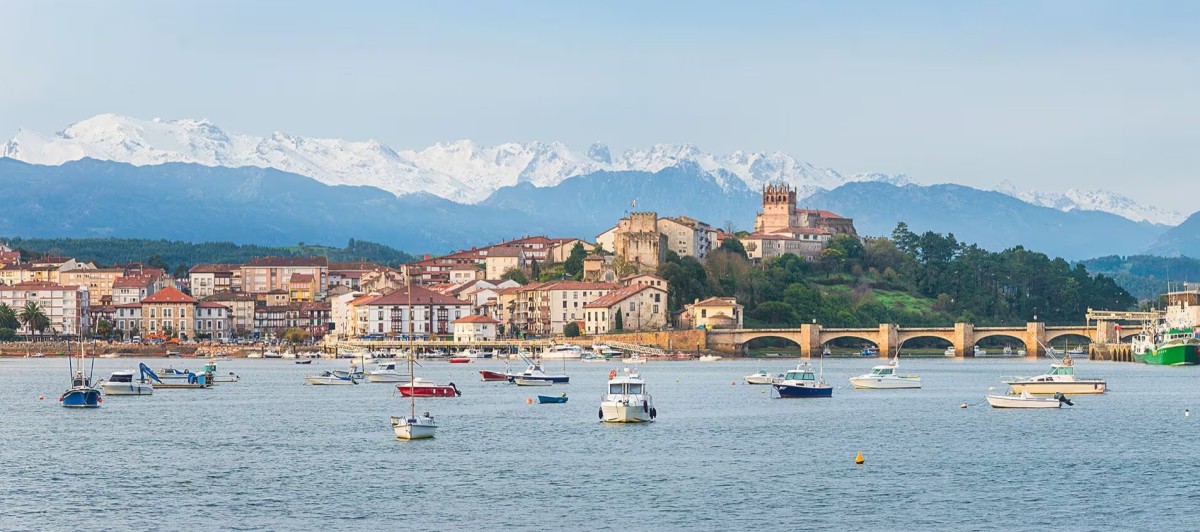
One of the real pleasures of Cantabria is wandering its old fishing towns. Castro Urdiales and San Vicente de la Barquera both retain a strong maritime identity, with stone churches overlooking small harbours and narrow streets that still feel lived in rather than curated.
Santillana del Mar, slightly inland, is often included in Cantabria itineraries for good reason. Its cobbled lanes and medieval buildings give a sense of how this region once prospered through trade and pilgrimage routes.
Prehistoric caves and deep history
Cantabria quietly holds one of Europe’s most important prehistoric sites: the Cave of Altamira. The original cave paintings are so significant that access is heavily restricted, but the nearby museum and Neocave replica allow visitors to see the remarkable Upper Palaeolithic artwork without damaging the site.
Hiking in Cantabria and the Picos de Europa
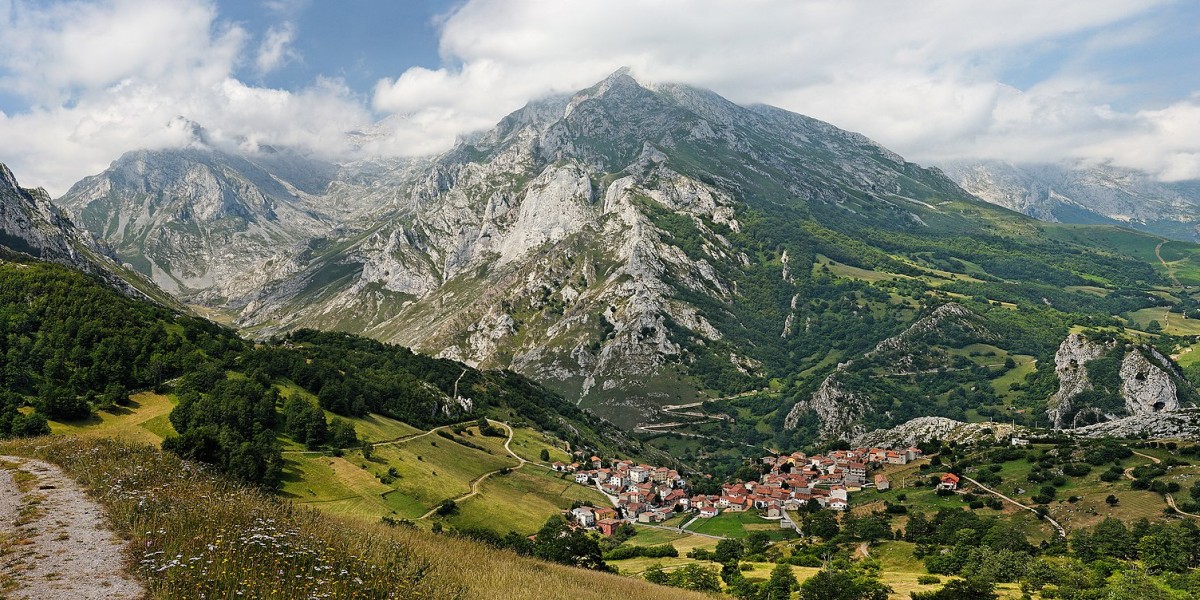
The region isn’t just about the sea. Inland, the terrain rises sharply towards the Picos de Europa, one of Spain’s most dramatic mountain ranges. Cantabria serves as one of the main gateways to the park, and the contrast between the Atlantic coastline and the jagged limestone peaks is striking.
- Potes is a popular base for exploring this area. It’s a small mountain town officially on the list of most beautiful villages, boasting traditional stone houses and a steady flow of hikers.
- Local dishes such as cocido lebaniego, a hearty chickpea and meat stew, are standard fare in the area.
- The Fuente Dé cable car provides access to higher viewpoints without requiring a full-day trek, though there are also plenty of marked hiking routes.
Santander: seafood, beaches and contemporary art
Santander, the capital of Cantabria, sits elegantly along a broad bay. It feels refined but not flashy, with wide promenades and sandy stretches such as El Sardinero drawing locals for walks and sea swims when the weather allows.
Seafood plays a central role in the city’s food scene.
- Anchovies, hake and shellfish feature heavily on menus, often served simply with good olive oil and a glass of white wine.
One of the city’s most striking modern additions is the Centro Botín, designed by Renzo Piano.
- The contemporary arts centre extends over the waterfront and has become a cultural focal point, hosting exhibitions and events that give Santander a creative edge beyond its seaside image.
Comillas and Gaudí’s northern detour

A short drive west of Santander lies Comillas, a small coastal town with an unexpected architectural twist.
- It has an unusually high concentration of Modernista buildings, thanks to wealthy patrons who invested in the area in the late 19th and early 20th centuries.
- The standout is El Capricho, a summer house designed by Antoni Gaudí and one of his few works outside Cataluña.
Visiting Cantabria without a car
Santander Airport connects the region with several Spanish and European cities, and there is also a ferry link between Santander and the UK, which appeals to travellers bringing their own vehicle.
For those staying in Santander without a car, organised day tours to the Picos de Europa are available, typically including transport. It makes the mountain scenery accessible even if you prefer not to drive rural roads yourself.
Regional trains and buses connect the main towns along the coast, though reaching smaller inland villages is easier with your own transport.
Stay informed on visiting and living in Spain with our weekly newsletter, delivering the latest travel, legal, and lifestyle news.