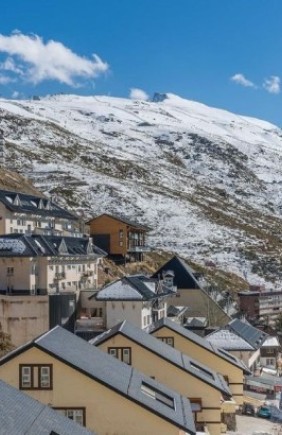
In Spain, Easter is one of the most significant events of the year, with the biggest celebrations taking place during Holy Week — known locally as Semana Santa. But what exactly happens during Semana Santa in Spain? Unlike the chocolate eggs and Easter bunnies often associated with the holiday elsewhere, Easter in Spain is a solemn commemoration of the Passion, Death, and Resurrection of Jesus Christ.
Across the country, each region marks this important week in its own unique way, yet all share the tradition of dramatic, deeply moving processions. These marches see locals dressed in traditional religious robes, accompanied by rhythmic drumming, floral displays, and heavy, ornate floats carried through the streets. The result is a powerful and emotional spectacle unlike anything else in the world.
In this guide, we’ll explore the most popular Semana Santa events in Spain and everything you need to know about experiencing Holy Week in 2026.
What date is Semana Santa 2026?
When is Easter in Spain in 2026? This year, Semana Santa is celebrated from Sunday 29th March to Sunday 5th April, starting on Palm Sunday and ending on Easter Sunday. The key dates during Easter in Spain are as follows:
- Palm Sunday (Domingo de Ramos): This marks the beginning of Holy Week and commemorates Jesus' triumphal entry into Jerusalem. Many churches hold special Masses where palms are blessed and distributed to the faithful.
- Maundy Thursday (Jueves Santo): This day commemorates the Last Supper of Jesus with his disciples. It is often marked by religious services, including the Mass of the Lord's Supper, where the ritual of the washing of the feet is reenacted.
- Good Friday (Viernes Santo): Good Friday commemorates the crucifixion and death of Jesus Christ. It is a day of solemnity and reflection, with churches holding liturgical services, including the Stations of the Cross and the Veneration of the Cross.
- Holy Saturday (Sábado Santo): This day commemorates the time that Jesus spent in the tomb before his resurrection. It is a day of anticipation and preparation for Easter Sunday, with churches often holding Easter Vigil services after sunset.
- Easter Sunday (Domingo de Resurrección): Easter Sunday celebrates the resurrection of Jesus Christ from the dead, signifying victory over sin and death. It is a joyous day of celebration, with churches holding Masses and services to commemorate the resurrection.
Where is the best place in Spain for Semana Santa?
Choosing the "best" place in Spain for Semana Santa depends on what you're looking for in your experience. Different regions offer unique traditions, processions, and atmospheres during Holy Week.
Seville
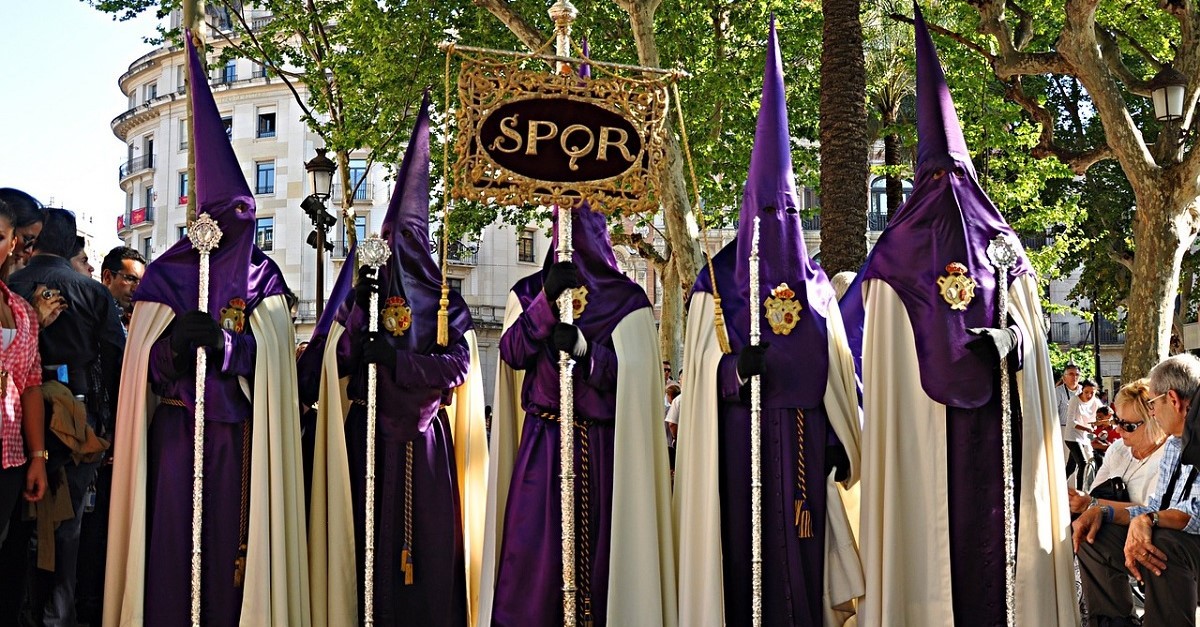
The Easter holidays in Seville are by far the city’s biggest and most important event of the year. What happens during Semana Santa in Seville? Semana Santa traditions in the Andalusian city are traditionally pious and are taken very seriously by the locals.
Between Palm Sunday and Easter Sunday, nearly sixty brotherhoods take to the streets to bring the Passion and Death of Christ to life. Keep an eye out for the Virgen Macarena and Jesús del Gran Poder processions, as these are without a doubt the most unique in the city.
Salamanca
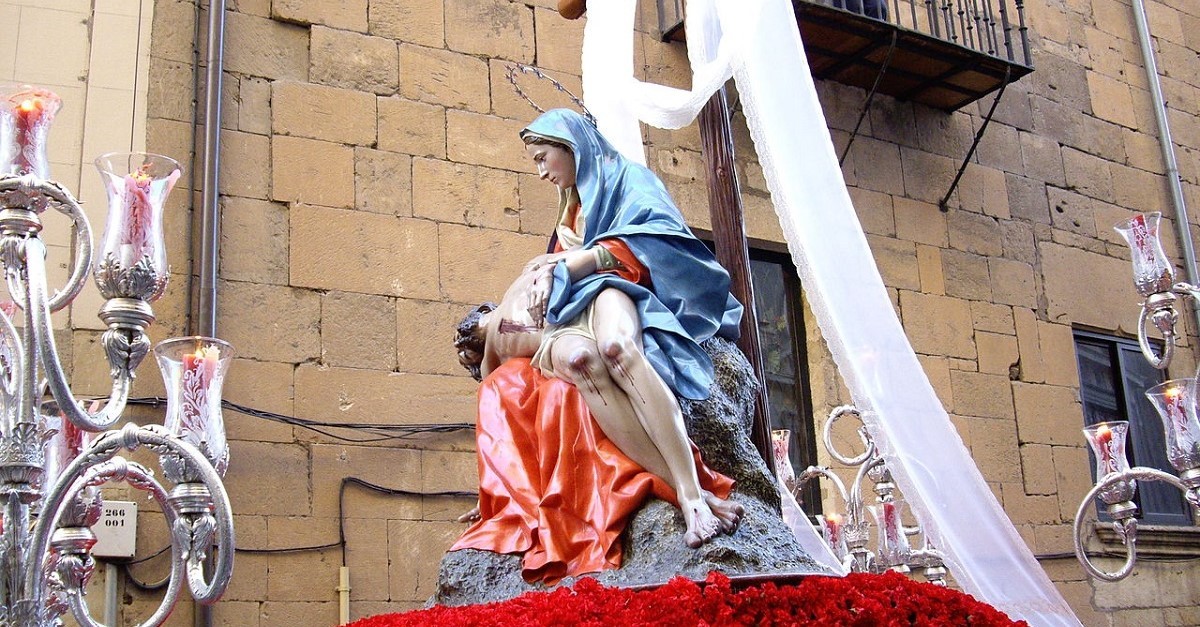
The Spanish city of Salamanca is famous for its beautiful cathedrals and for being the home of one of Europe’s oldest universities, but it is also a great place to experience Spain's Holy Week processions.
Holy Week in Salamanca stands out for its beauty, with emotive processions celebrated in the streets of its historic district. On 29th March, Palm Sunday is celebrated and is probably the most joyful act of the celebrations with "La Borriquilla". This impressively staged spectacle depicts the entrance of Jesus into Jerusalem and marks the start of the week.
Granada
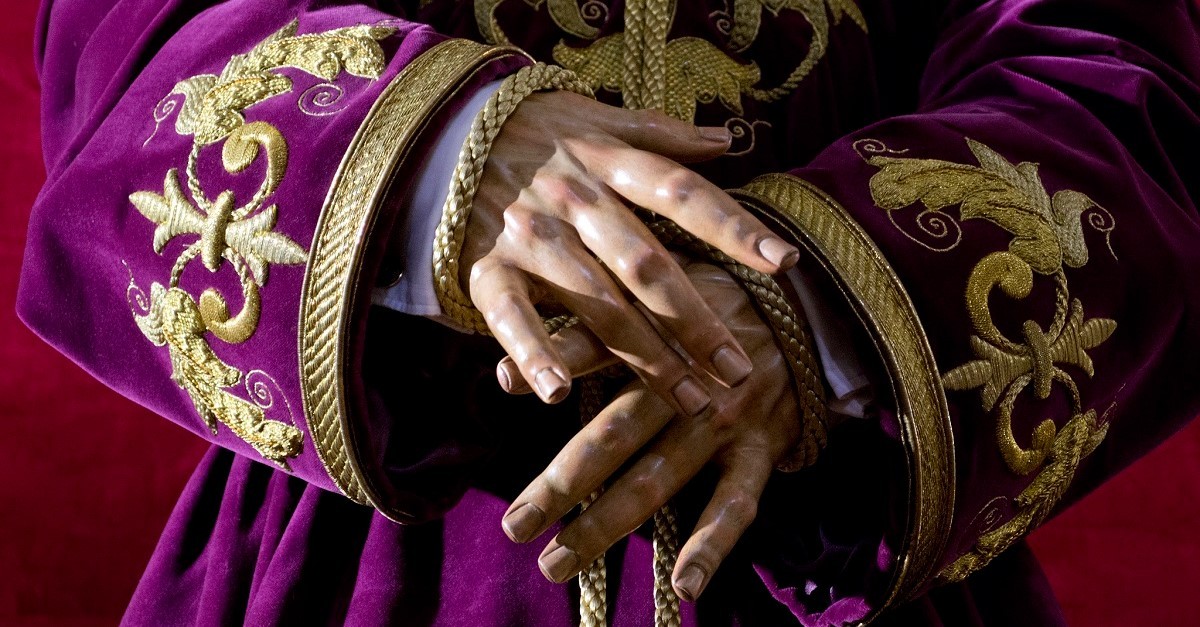
Granada is a must-visit destination at any time of the year thanks to its rich history and beautiful architecture. Make the most of the Holy Week experience in the city by heading to the charming back streets of the historic city centre, along with the areas of the Albaicín, Zaidín and Realejo.
Volunteers clad in traditional attire shoulder these evocative displays, which feature biblical scenes and are paraded through the city. Make sure to check out the Cristo de los Gitanos procession.
Madrid
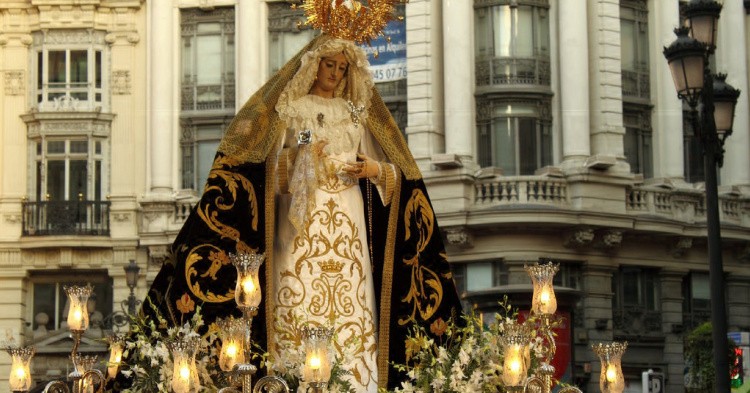
The most famous of Madrid's Easter parades is that of the Cristo de Medinaceli, which takes place on Good Friday.
Other famous processions include the Alabarderos and Jesús Nazareno 'el pobre', as well as the silent procession. Even if you wouldn’t consider yourself to be a religious person, Easter in Madrid is highly impressive and are well worth visiting when in Spain.
León
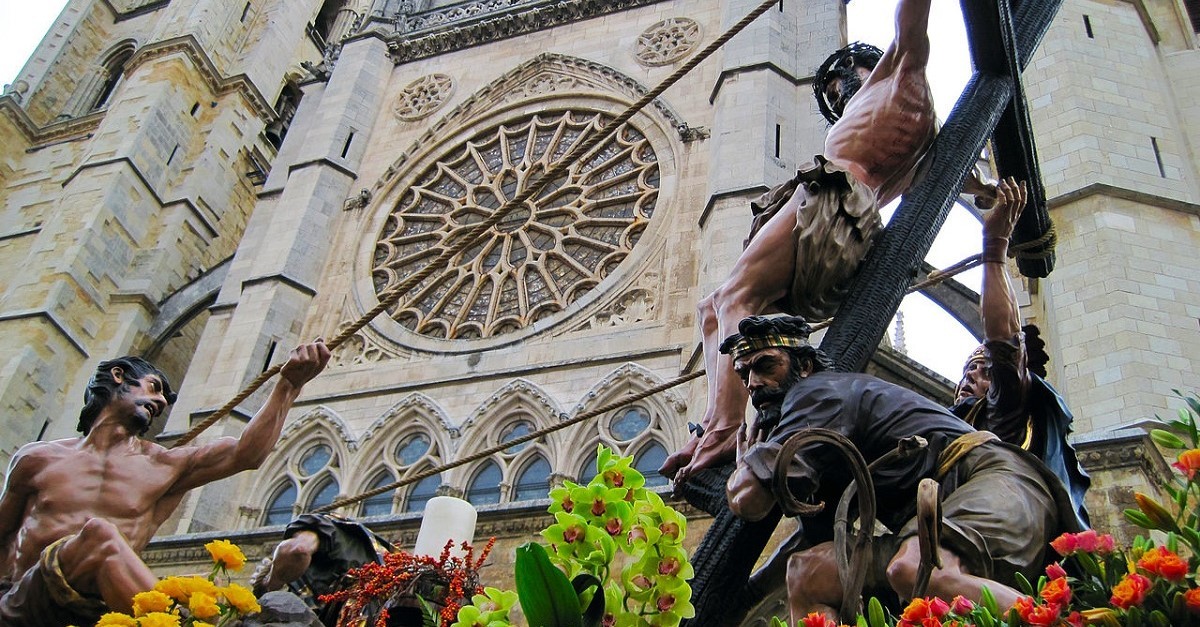
During the Easter celebrations in León, extraordinary images created centuries ago in the workshops of important Baroque artists are paraded through the city. The Procesión de los Pasos and La Ronda are two processions not to miss.
If you are still undecided about where to spend your April holidays, León should be at the top of your list, as the locals wholeheartedly embrace the processions with passion and devotion.
Cuenca
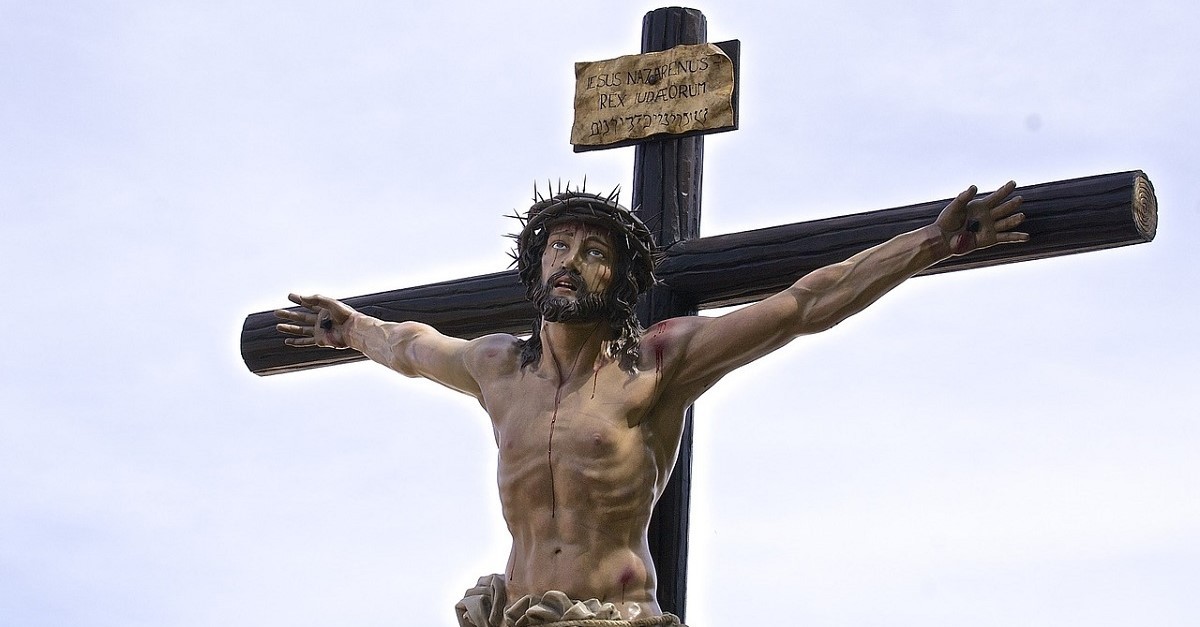
The UNESCO-protected city of Cuenca is located about 104 miles south-east of Madrid, and is famous for its casas colgadas, ‘hanging houses’. Holy Week in Cuenca is one of the most spectacular and emotional in Spain, with its steep hills and narrow streets.
The traditions in the city date back to the 17th century, when the first Easter brotherhoods were founded. Nowadays, over 30,000 people take part in the processions. The celebrations commence on Palm Sunday, like in other parts, and culminate in the final procession on Easter Sunday.
Toledo
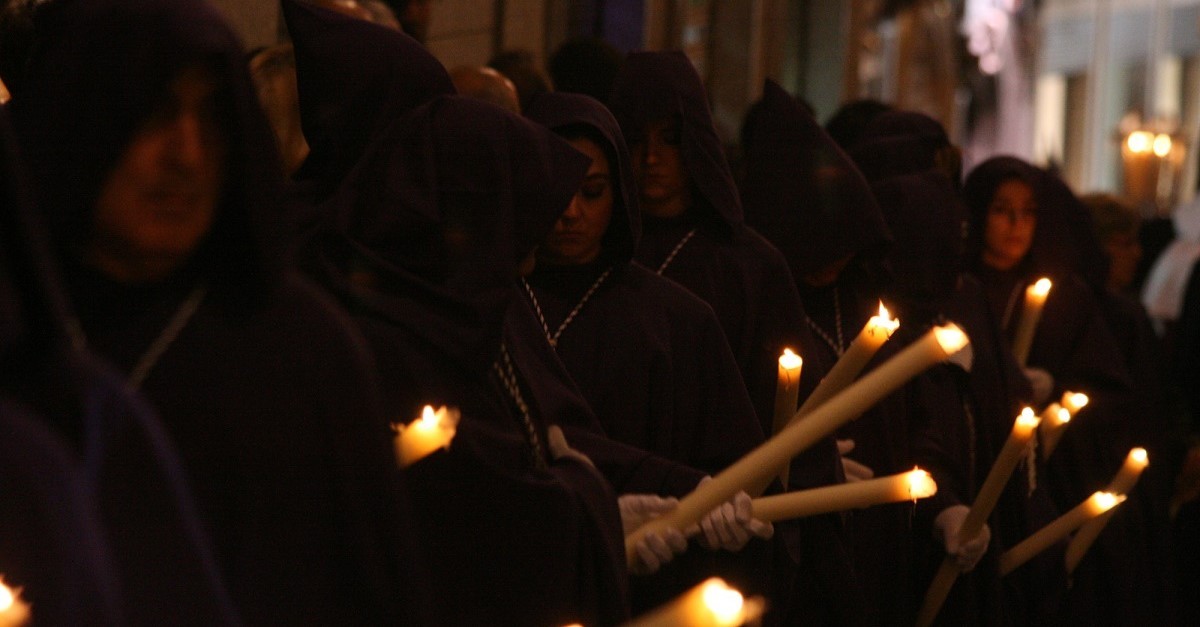
Toledo is one of the most charming and historical cities in Spain. Located less than an hour from Madrid, Holy Week is one of the main attractions in Toledo and a great day trip from the capital.
In Toledo, they traditionally celebrate Holy Week with yet more sober and emotional processions. Declared a Festival of International Tourist Interest, Semana Santa in Toledo is an unmissable event for all those who want to find get stuck into Spain's most authentic Easter traditions.
Zamora
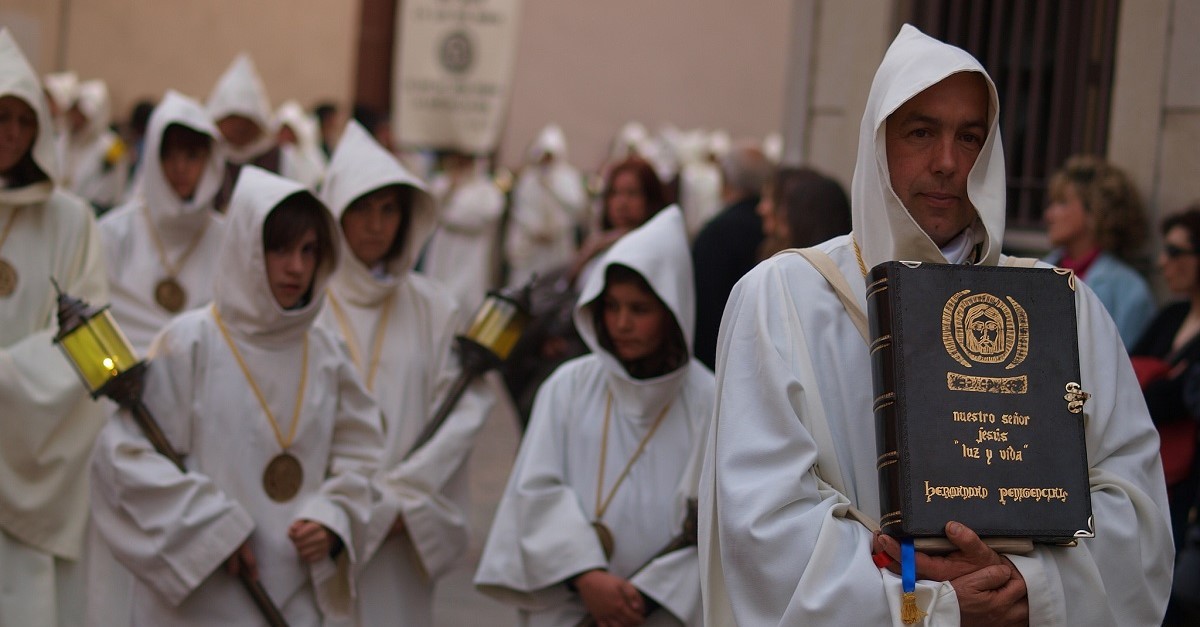
The Holy Week celebrations in Zamora, located in Spain’s Castile and Leon region, date back to the 13th century and have remained practically unchanged over the centuries. The processions in the city are characterised by austerity, silence and prayer. The city's Easter celebrations also stand out for the quality and antiquity of its sculptures.
Not to be missed is the so-called “Drunken Procession” in Zamora, a parade that takes place at 5 am. The event is made even more special when the thousands of brothers distribute caramelised almonds among those who have gathered to watch.
Valladolid

Valladolid is home to some of Spain’s most important museums, as well as a growing wine tourism culture, and is also home to some impressive Easter celebrations. The Valladolid Easter processions showcase exquisite wooden sculptures and valuable carvings that steal the limelight.
Religious imagery is also very important in the city, as well as the many emotional events that take place during the week. One of the most important events in the city is the General Procession of the Sacred Passion of the Redeemer, celebrated on Good Friday.
Murcia
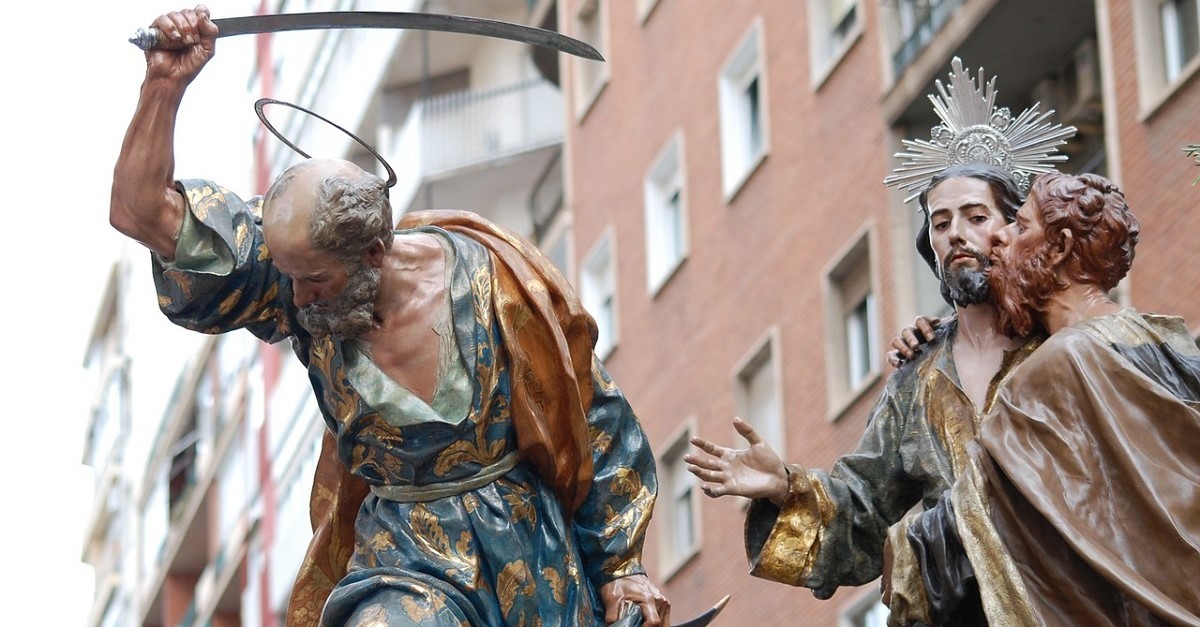
One of the most-recognised fiestas in Spain is Holy Week in Murcia. The city is home to some of the most renowned processions in the whole country. The celebrations in Murcia are characterised by the Nazarenes in their tunics of many colours and their large bags, which are generally filled with sweets, biscuits, hard-boiled eggs and even beans.
During the processions, these items are passed out to friends and family along the route. Easter in Murcia also includes other events that make it incredibly special, such as the Procession of Silence.
Is Semana Santa a good time to visit Spain?
Semana Santa is one of the best times to experience traditional Spanish culture, offering a unique glimpse into the country’s deeply rooted religious and cultural heritage.
If you enjoy vibrant crowds and lively street celebrations, Holy Week is an ideal time to visit Spain. However, if you prefer a quieter getaway, you might consider exploring smaller towns, where the processions are just as meaningful, but the crowds are less overwhelming.
Keep in mind that Semana Santa is a peak travel period in Spain. Accommodation prices tend to rise, and availability can be limited, especially in major cities.
------------
Stay informed on visiting and living in Spain with our weekly newsletter, delivering the latest travel, legal, and lifestyle news.