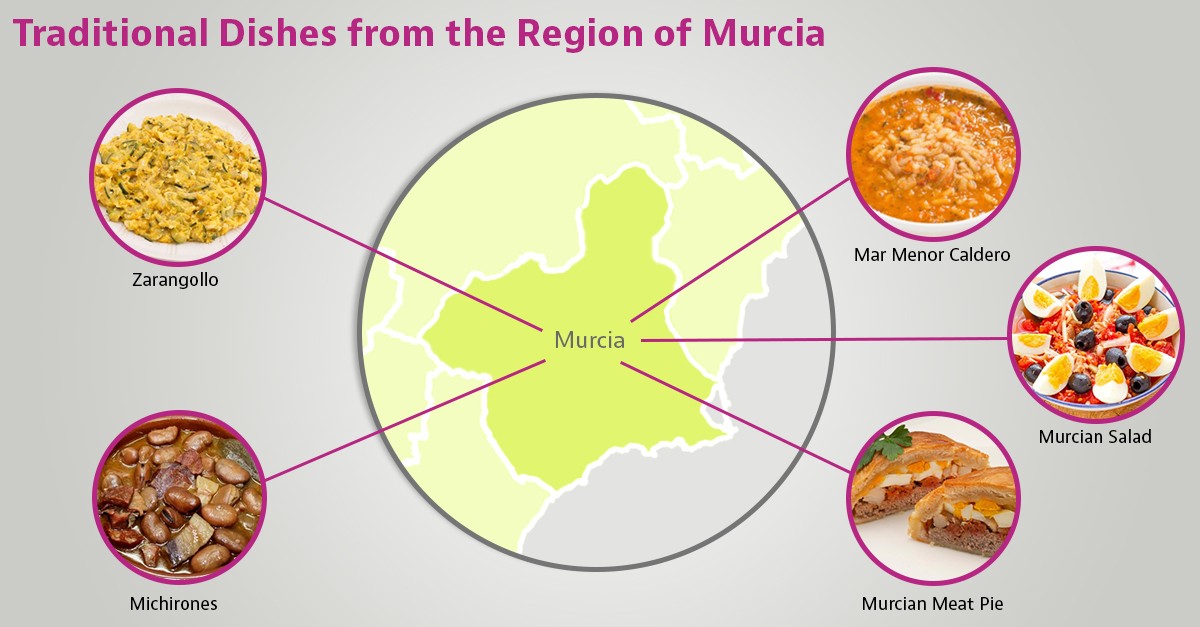

Murcia, in southeastern Spain, is celebrated for its warm climate, welcoming people and exceptional culinary heritage. Known for its fertile farmland, the region offers authentic cuisine that makes full use of fresh, local produce. Over the centuries, Murcian cooking has skillfully blended Arab, Mediterranean and rural influences into dishes full of character. Discover the traditional Murcian dishes you simply cannot miss.
Zarangollo
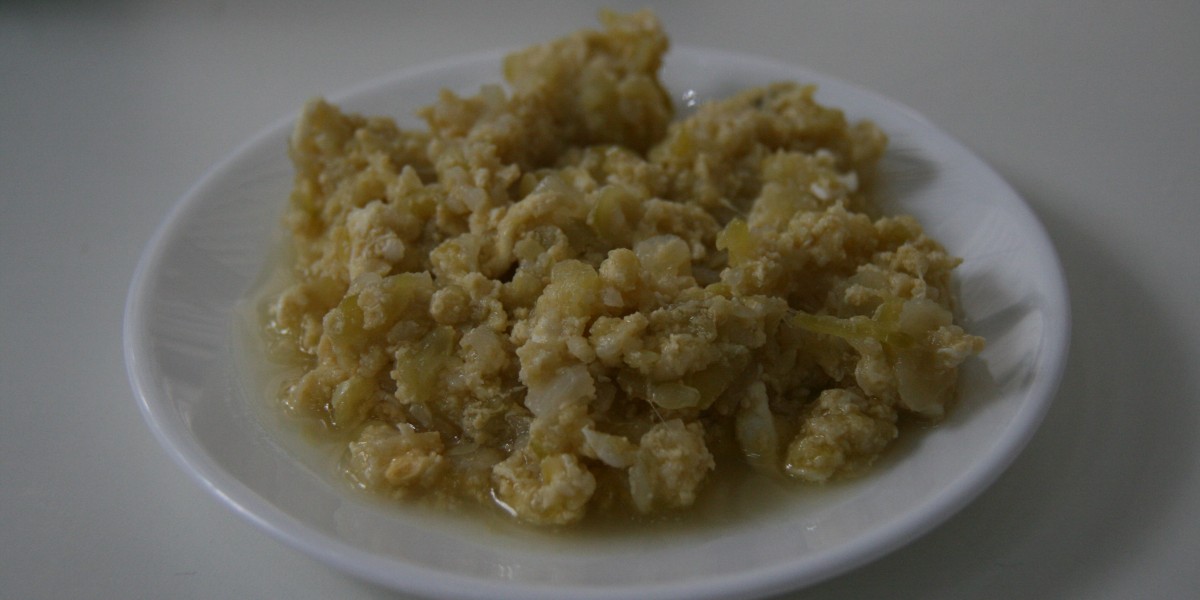
Zarangollo is perhaps Murcia's best-known traditional dish, showcasing the simplicity and flavours of the Murcian countryside. This classic recipe is made mainly with courgette, onion and egg – humble ingredients that, when combined with skill, create a delicious and flavoursome dish.
Zarangollo is typically served as a tapa, accompanied by a glass of wine or a very cold beer. Its origins are deeply rooted in rural life, reflecting the abundance of fresh produce from the region. The dish is particularly noted for its creamy texture and mild flavour.
For those interested in learning more about the Region of Murcia, you can explore the current real estate offerings on idealista.
- Property for sale in the Region of Murcia
- Long-term rentals in the Region of Murcia
- Holiday homes in the Region of Murcia
Michirones
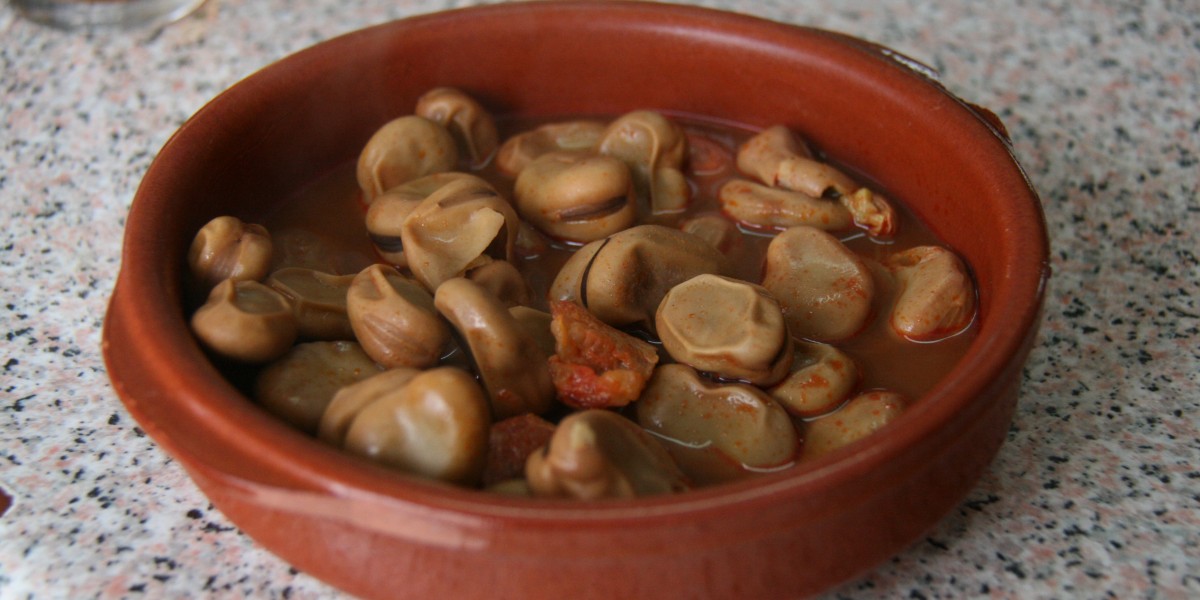
Michirones occupy a special place among Murcia's most traditional dishes. This hearty stew, made mainly with dried broad beans, chorizo, ham and spices, is particularly enjoyed during the colder months and at gatherings with family or friends.
Preparing michirones requires patience, as the broad beans are cooked slowly to absorb the flavours of the sausage, bay leaf and paprika. The stew is served piping hot in earthenware pots and is typically accompanied by crusty bread, perfect for dipping into the rich, flavoursome sauce.
Caldero del Mar Menor
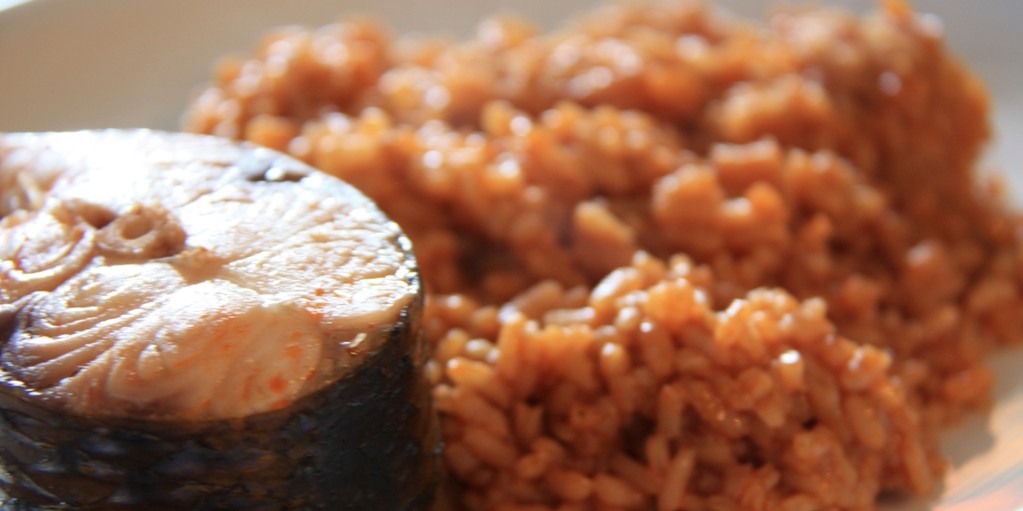
The Region of Murcia's cuisine makes abundant use of seafood. Caldero del Mar Menor, from the fishing villages around this large lagoon, is a soupy rice dish that originated as a humble meal for fishermen, using fish that were less commercially valuable.
Its appeal lies in the distinctive seafood flavour and the rich sofrito made with dried red peppers and tomatoes, along with the slow cooking of rice with fish such as sea bream, mullet or redfish. The dish is traditionally served with aioli.
Murcian salad
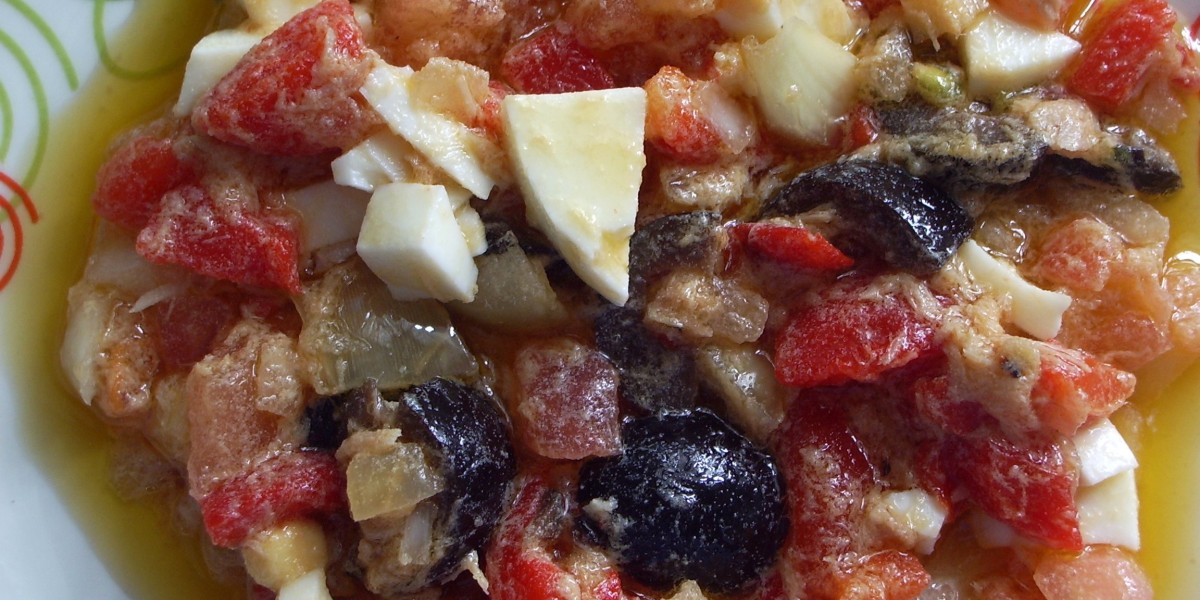
Another must-try typical Murcian dish is the Murcian salad, also known as mojete. Simple to prepare yet surprisingly flavoursome, its freshness and harmonious combination of ingredients make it ideal as a starter or side dish.
The secret of the Murcian salad lies in the quality of its ingredients: peeled canned tomatoes, spring onions, tuna or bonito, hard-boiled egg and black olives, all dressed with a generous drizzle of extra virgin olive oil.
Murcian meat pie
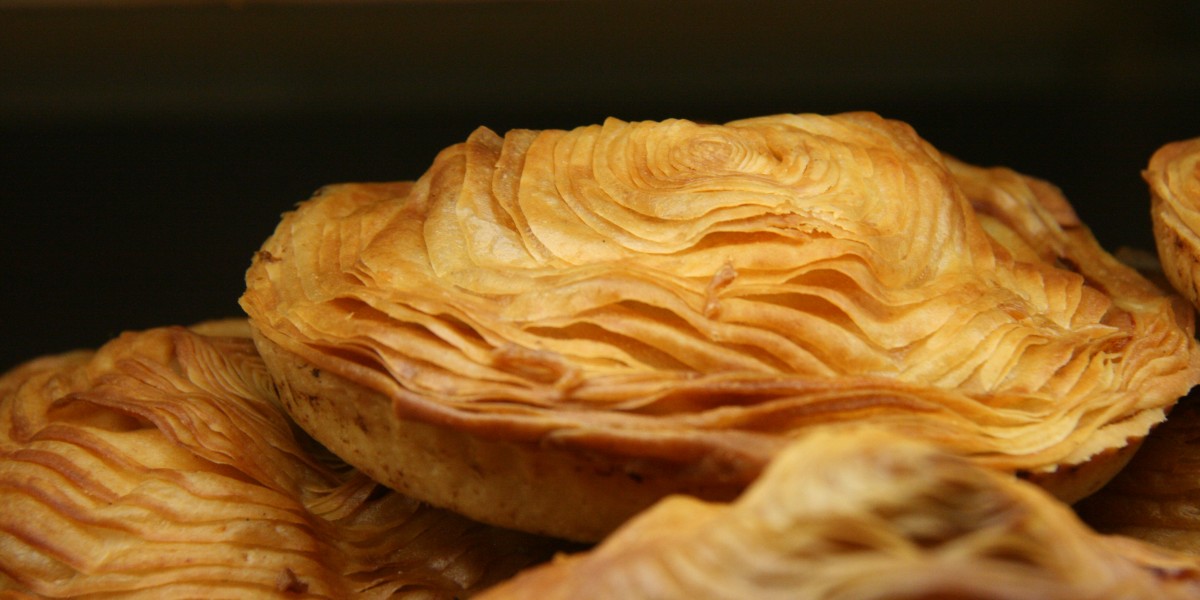
This Murcian recipe, deeply rooted in local culture, is celebrated for its irresistible combination of simple yet flavoursome ingredients, all encased in melt-in-the-mouth flaky pastry. Its origins date back to the 17th century, when pastry chefs prepared it for special celebrations.
The secret of the Murcian meat pie lies in its juicy filling, traditionally made with minced beef, chorizo, hard-boiled egg and spices, all wrapped in thin, crisp pastry layers. It is enjoyed both hot and cold, often accompanied by the exquisite wines typical of Murcia.
Marinera
Marinera holds a place of honour on every bar or terrace in Murcia. This iconic tapa, simple yet irresistible, features a crispy doughnut base topped with a generous serving of Russian salad and finished with a salted anchovy.
The combination of textures and flavours makes marinera a staple of Murcian tapas culture. Its popularity has inspired variations such as the bicicleta (without anchovy) and the marinero (with marinated anchovy), but the traditional version remains the favourite among locals.

Murcian rice
Murcian rice is made with a variety of seasonal vegetables and lean pork, reflecting the use of the freshest, locally available ingredients. Its origins predate the rise of seafood rice dishes, highlighting Murcia’s connection to its fertile land.
The recipe allows for numerous variations depending on the season and the vegetables on hand. Peppers, artichokes, asparagus, broad beans, tomatoes and garlic are commonly used, giving the dish both colour and flavour.