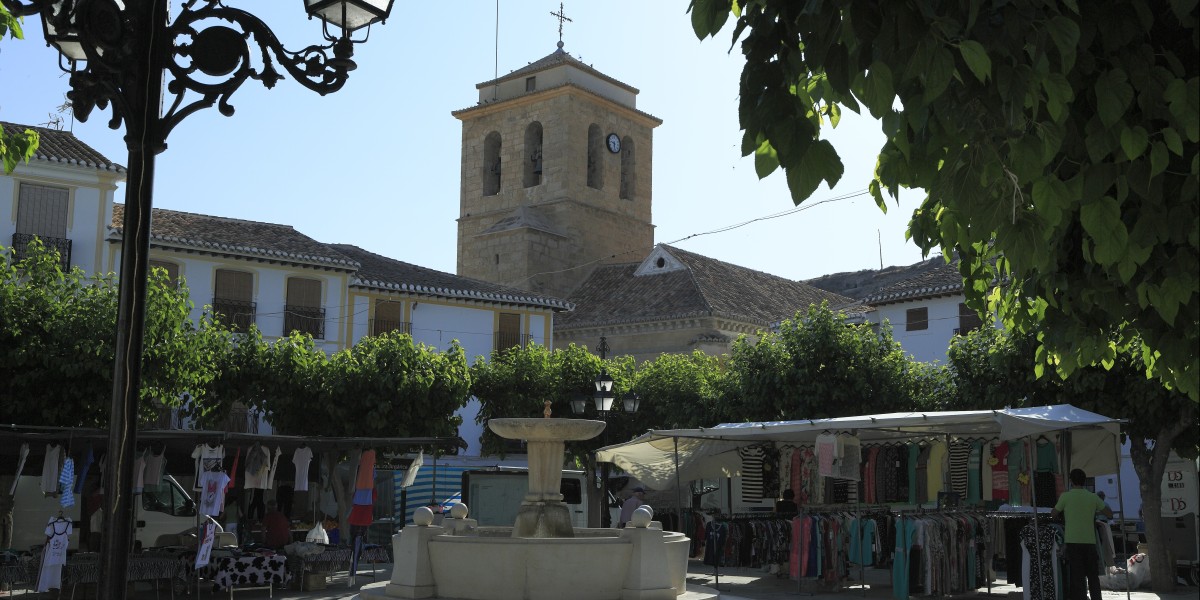
Galera is a small village in northern Granada province, with just over 1,130 people on the books. What sets it apart locally is that it’s growing, while nearby villages are quietly emptying out. This is partly due to a formal attempt to attract new long-term residents from abroad who want space, lower housing costs and a slower pace.
What the ‘Move to Galera’ initiative actually is
Move to Galera is a council-backed campaign, created to support people who are serious about settling rather than dabbling. The stated aim is to double the population over time, which sounds ambitious until you realise how much empty housing already exists.
Why Galera is looking abroad for new residents
The local Spanish population has been declining for years, with younger people leaving in search of work elsewhere. Recent growth has come almost entirely from foreign residents, which has reshaped how the village thinks about its future.
That established international presence reduces isolation for newcomers and has nudged the council to adapt in practical ways, including sharing some local information in English.

Who is moving to Galera
The incoming population isn’t one single profile. People arrive with different incomes, plans and levels of Spanish. There's a heavy British presence, alongside Dutch, French, German and others. You'll find:
- Retirees looking to stretch pensions
- Remote workers priced out of cities
- Couples opening bars or rural accommodation
- Agricultural workers and carers
Who Galera suits, and who it doesn’t
Galera works best for people who are patient, self-sufficient and comfortable with fewer services. It helps if your income isn’t tied to the local job market. It’s less suitable if you need reliable long-term rentals, frequent public transport or fast solutions to bureaucratic problems.
Incentives, grants and support
There’s no cash-for-keys scheme here, rather incentives that are structural more than financial.
Support typically includes:
- Guidance on starting small businesses, especially sustainable projects in agriculture, crafts, and responsible tourism.
- Access to rural development funding schemes
- Help identifying empty properties and available commercial spaces
- Introductions to local networks and associations
Housing as the real incentive: cave houses in Galera
Housing is the strongest pull, particularly the cave houses carved into the surrounding hills. There are more than 900 of them, making up close to half the village’s housing stock, and new cave construction isn’t being approved.
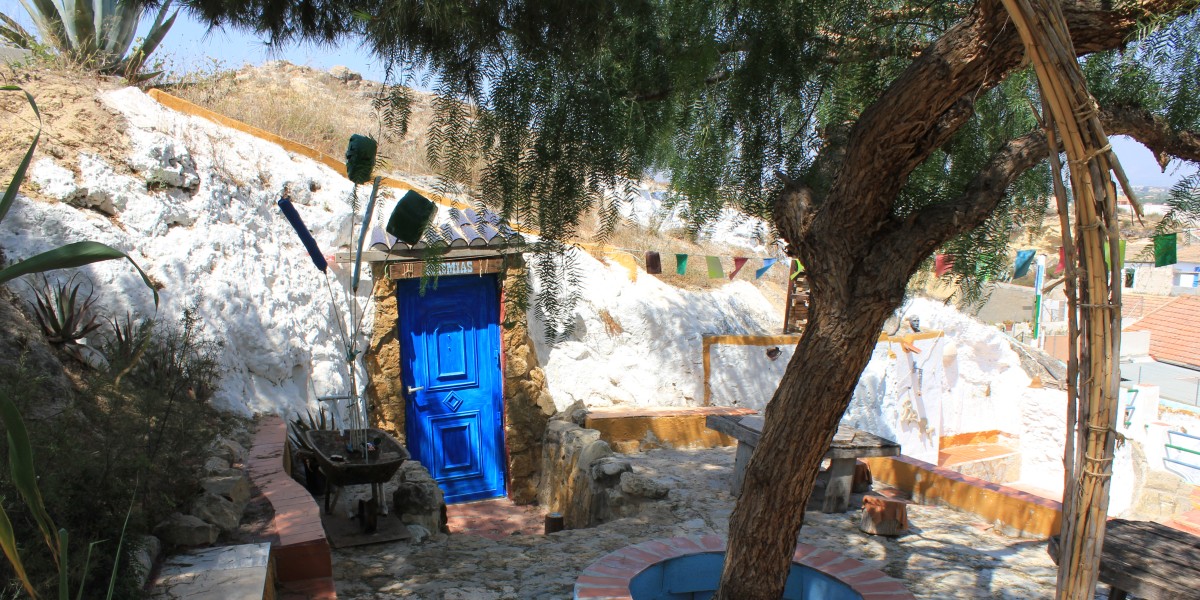
What that means in practice:
- Entry prices for small, habitable caves sit around €50,000–€60,000
- Interiors stay cool in summer and relatively warm in winter
- Renovations can be quirky, especially with ceilings and layouts
Have a look at cave houses for sale in Spain
Work, business and remote income
Most newcomers arrive with their income already sorted, often through remote work. Local employment does exist, but it’s limited and often seasonal. This is why the Move to Galera project puts more weight on supporting self-employment and small, sustainable businesses.
In practice, the kinds of projects that tend to work here are modest, practical and rooted in the area:
- Rural accommodation and guesthouses tied to nature-based tourism
- Bars, food projects and local produce linked to weekends and village events
- Crafts, art and small-scale production, often sold locally or online
Galera as a test case for rural Spain
Spain has been experimenting for years with ways to reverse depopulation. And what’s happening in Galera is being watched closely, both locally and further afield. These include:
- Schemes where villages effectively pay people to move there
- Larger national projects like the Hola Pueblo rural repopulation programme.
- headline-grabbing ideas around €17,000 houses tied to job options in rural Spain.
- Extremadura’s digital nomad grant
Rather than dangling cheques or short-term incentives, Galera has accepted that its future depends on people who want to stay . It has built a framework around housing, community support and small-scale work. It is a working example of how rural Spain can adapt without turning itself into a theme park.
Stay in the know about living in Spain as a foreigner—get our weekly newsletter for the latest travel, legal, and lifestyle news.
For a taste of the high life, sign up for the monthly luxury market round-up.