The gap between Spain’s capital city and the rest of the country has widened considerably. Madrid isn’t just expensive now, it’s eye-watering. Against that backdrop, more buyers and renters are actively searching for cheaper alternatives to Madrid for living, either within commuting distance or in well-connected regional cities.
Why people are looking beyond Madrid
At close to €8,871 per m² as of February 2026, buying in Madrid immediately pushes deposit requirements into six-figure territory.
- Buying a standard 80m² flat in the capital comes in at around €709,680.
- Rents now average €1,864 per month for the same-sized apartment.
A single professional would need well over €2,500 net income to live comfortably without constantly budgeting every coffee or train ticket.
Even dual-income households can find themselves stretched before they’ve factored in renovation costs, taxes and fees.
Choosing the right place outside Madrid
Hybrid work has changed the calculation, opening up places where housing costs are dramatically lower, and space is easier to come by.
For many buyers and renters, that now means:
- A 30–40 minute commute a few times a week that feels entirely manageable.
- Choosing cities linked by AVE, where Madrid is just over an hour away.
Property and rent comparison: Madrid vs 5 alternatives
Prices below are based on the latest idealista’s price report on the average property and rent price per square metre.
City | Avg. price (80m² flat) | Est. monthly rent (80m² flat) | Access to Madrid |
|---|---|---|---|
Madrid | €709,680 | €1,864 per month | — |
Getafe | €250,560 | €1,120 per month | 20–25 mins (C-4) |
Alcalá de Henares | €219,520 | €1,096 per month | 35–40 mins (C-2/C-7) |
Zaragoza | €176,640 | €912 per month | 1h 15m (AVE) |
Valladolid | €160,480 | €760 per month | 1h (AVE) |
Toledo | €153,040 | €824 per month | 35 mins (AVE) |
Best alternative cities to Madrid
Toledo
Perched above the Tagus River, the UNESCO city of Toledo feels cinematic. Medieval streets, stone arches and cathedral bells are part of everyday life here, not a weekend backdrop. The historic centre, anchored by the vast cathedral and the Alcázar of Toledo, makes even a routine coffee stop feel slightly dramatic.
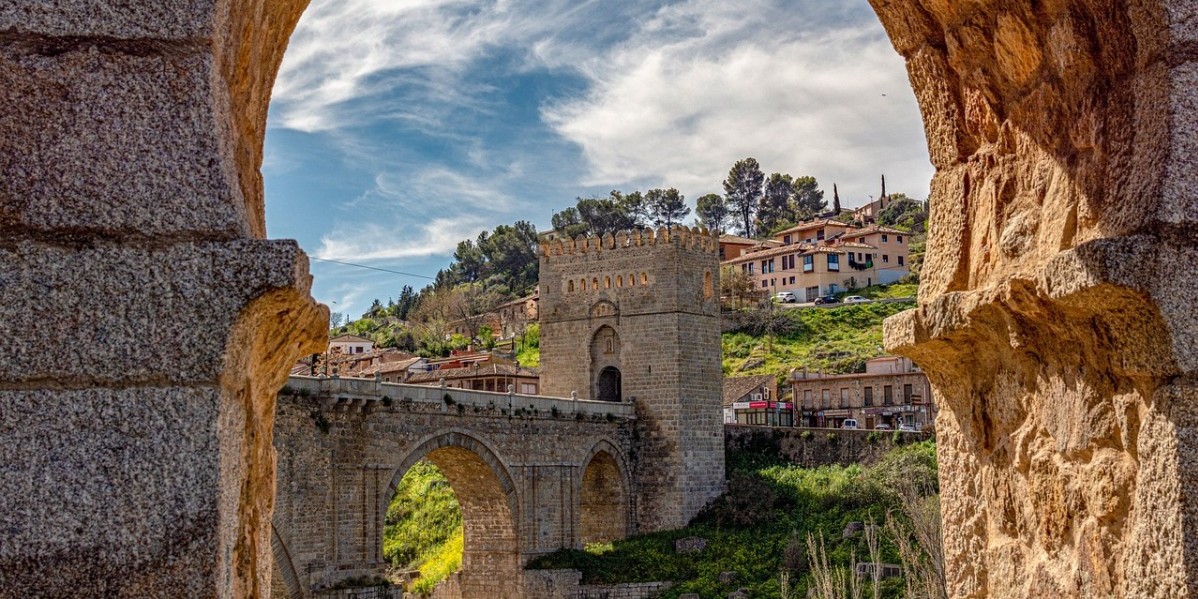
Best thing about living here: atmosphere.
Best suited to: buyers who want character and lower prices but still need quick rail access to Madrid. The fast AVE train journey to Madrid makes it one of the most realistic commuter options on this list.
Alcalá de Henares
East of Madrid, Alcalá de Henares blends university energy with serious heritage. It’s the birthplace of Cervantes and home to the impressive Alcalá University, a lesser-known UNESCO World Heritage site.
Calle Mayor is lined with cafés and terraces, but daily life feels calmer and more affordable than in central Madrid. However, due to the cheaper housing options, the city has become one of Spain’s most competitive property markets, reflecting steady demand.

Best thing about living here: charm without chaos.
Best suited to: culture lovers and families who want space and history within commuting distance.
Getafe (and nearby Leganés)
South of the capital, Getafe is practical, residential and well-connected. It doesn’t try to charm you with postcard views, but it works. There are generous green spaces such as Parque de la Alhóndiga, proper sports facilities and everything you need for day-to-day life without relying on Madrid.
Nearby Leganés feels slightly more residential again, with quieter neighbourhoods and a similar commuter setup. Property prices there are lower, averaging around €245,280 for an 80m² flat.
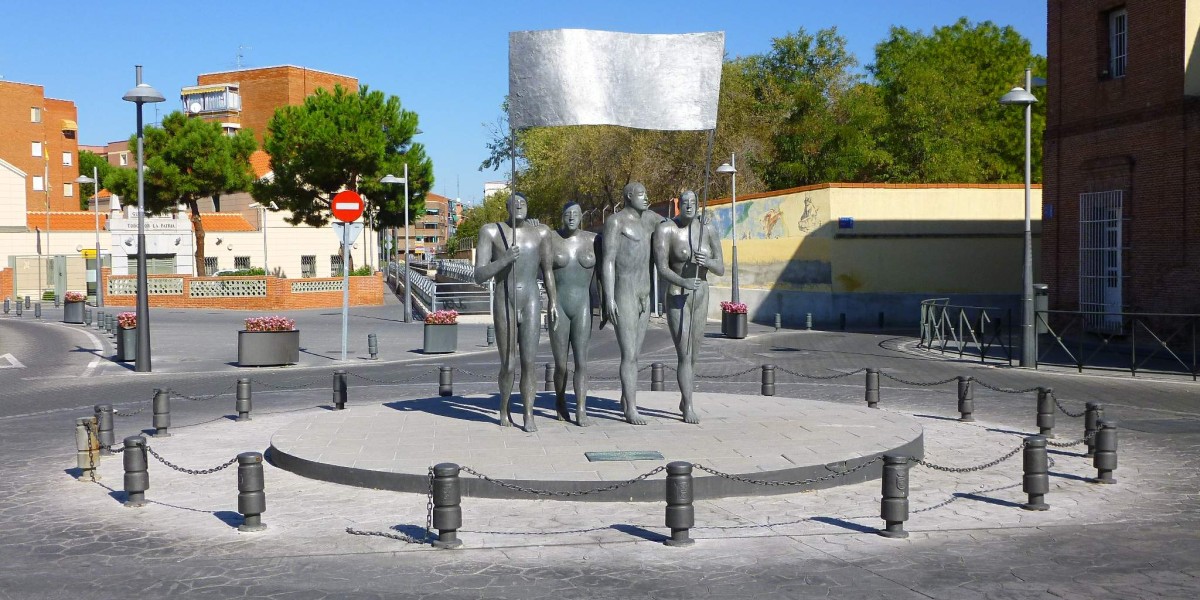
Best thing about living here: value combined with fast connections.
Best suited to: commuters who prioritise price and speed over aesthetics.
Valladolid
An hour north by AVE, Valladolid is a proper Castilian city with wide plazas and a strong food scene. It feels self-contained rather than dependent on Madrid, providing a city lifestyle at under €200K.
You’ve got elegant squares like Plaza Mayor, riverside walks along the Pisuerga, and easy access to Ribera del Duero wine country.
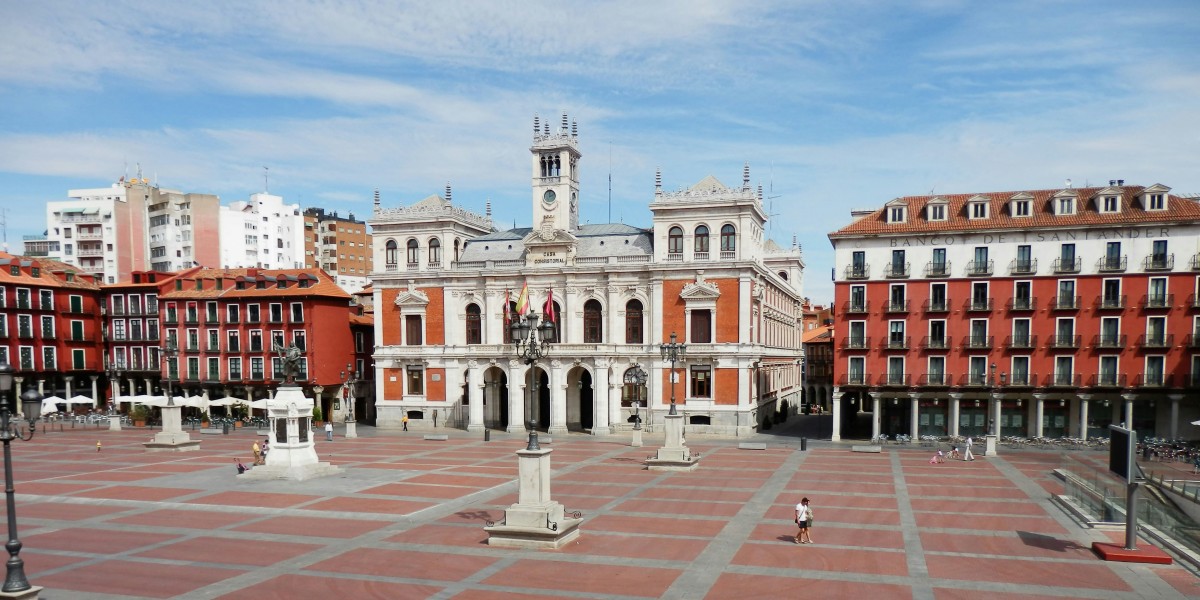
Best thing about living here: cost of living. At €160,480 for an 80m² flat and an average rent of €760 per month, it’s in a different league financially.
Best suited to: remote workers or professionals who only need Madrid occasionally and want significantly lower housing costs.
Zaragoza
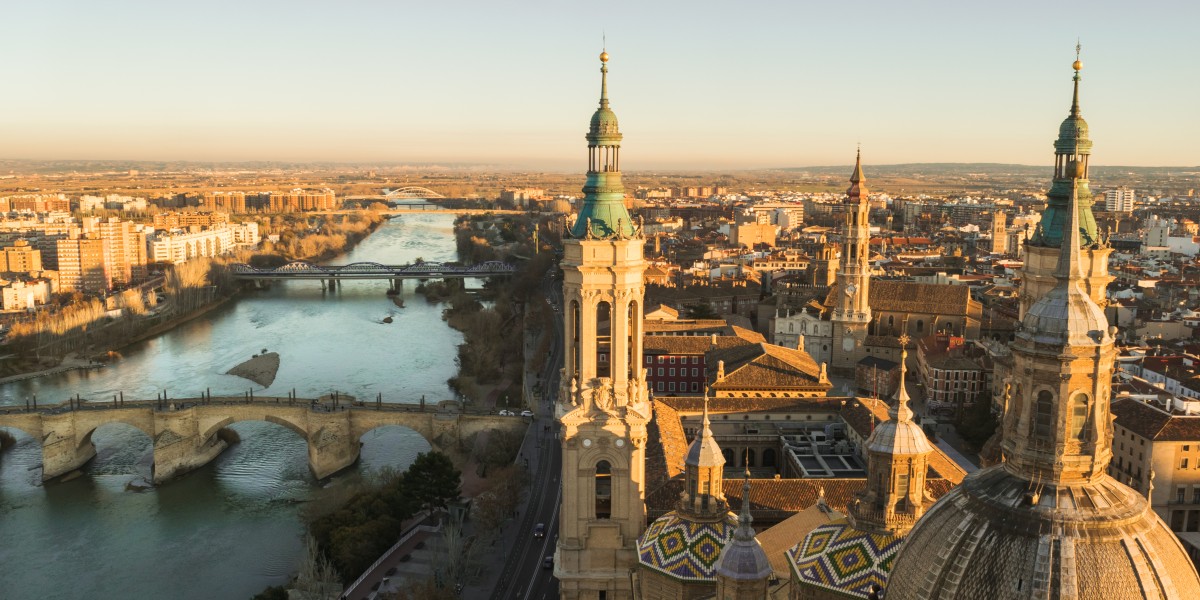
Halfway between Madrid and Barcelona, Zaragoza is often overlooked, which keeps prices relatively grounded. It’s a sizeable city with proper infrastructure and cultural life. The monumental Basílica del Pilar, riverfront promenades and lively tapas areas like El Tubo give it depth without big-city price tags.
The AVE reaches Madrid in about 1 hour and 15 minutes and Barcelona in roughly 1 hour and 30 minutes.
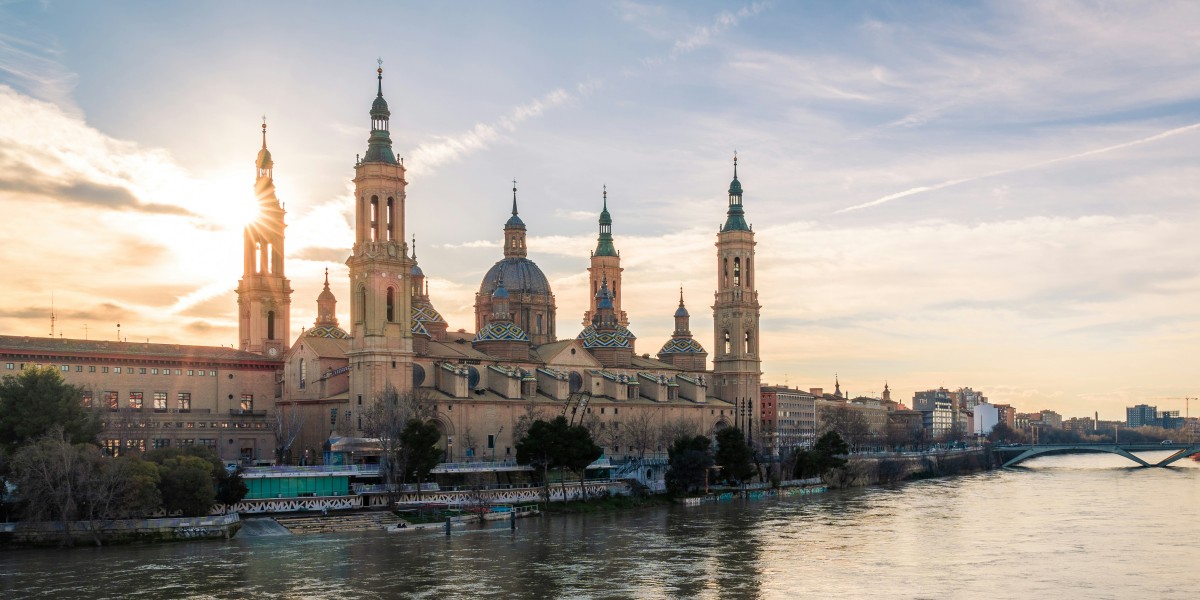
Best thing about living here: balance.
Best suited to: professionals who want a major city feel without Madrid or Barcelona pricing.
Is moving outside Madrid worth it?
Against Madrid, the difference between the capital and Toledo is over half a million euros for the same-sized flat. This gap reflects the wider trend of first-time buyers and renters moving out to Madrid and Barcelona's commuter belts.
- Daily commuting from Getafe or Alcalá is realistic, particularly with schemes such as Spain’s €60 monthly public transport pass.
- Weekly AVE trips from Valladolid or Zaragoza suit hybrid workers far better than traditional office-based roles, especially for those drawn to places where €200,000 still buys a city lifestyle in Spain.
For buyers priced out of the capital, though, these cities are no longer second-best options. They are deliberate choices, each with a distinct personality and a far more forgiving price tag.
Stay in the know about living in Spain as a foreigner—get our weekly newsletter for the latest travel, legal, and lifestyle news.
For a taste of the high life, sign up for the monthly luxury market round-up.