Carnival in Spain is the moment winter finally loosens up a bit. Streets fill with parades, sequins and brass bands, and kids march through town in costumes their parents cobbled together.
Big‑budget franchises use Spain for palaces and desert chases, but some of the most interesting screen moments happen in quieter corners and smaller productions.
Spain keeps popping up in blockbusters and binge‑worthy series, and half the time people don’t realise they’re looking at Bilbao, Madrid or Jerez rather than London, California or a distant galaxy.
2026 is shaping up to be one of those summers where Spain’s nightscape properly comes into its own. The Perseid meteor shower in Spain lands in the middle of warm August nights, village fiestas and late‑night terraces.
Bloomberg has once again compiled a list of must-visit destinations set to shape travel in 2026, blending revitalised classics with lesser-known places on the rise. The list spans creative cities, remote islands, emerging food regions and unspoilt natural havens.
If big resorts and packed beach clubs are starting to feel a bit samey, Spain’s lesser‑known islands are a nice surprise. Scattered around the Canary Islands and the Balearics, these spots offer quieter beaches, proper hiking, and dark skies for stargazing.
Less than an hour from Valencia lies Chelva, a picturesque village renowned for its striking blue houses and rich historical heritage. Steeped in a Berber past, the village has been named a Site of Cultural Interest.
Skyscanner’s latest fare trends spotlight the best-value destinations for 2026 in Spain, and Spain even nabs two places in Skyscanner’s global top 10 for the biggest airfare drops.
Seville has landed on Condé Nast Traveler’s Europe 2026 list for good reason. The city has kept its stately looks and sun-baked rhythm while quietly shifting gears.
Are you looking for the best lakes in Spain to explore this autumn? Spain, famous for its vibrant culture, historic landmarks, and stunning landscapes, is also home to some of the most beautiful lakes in Europe.
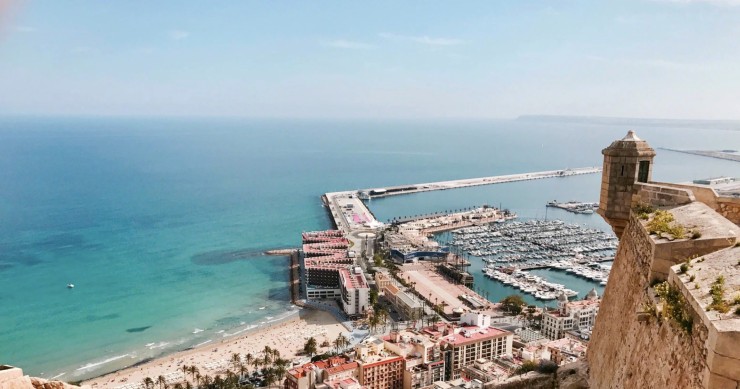
Spain’s next food spotlight is set: Jerez de la Frontera will carry the Capital of Gastronomy title through 2026, with the handover from Alicante scheduled in January.What the title means and key datesThe Capital of Gastronomy is an annual recognition awarded since 2012 to a Spanish city that stands
Day trips from Valencia by train are the sweet spot for easy escapes. Quick hops to coastal towns, hilltop castles, underground rivers and proper paella in lagoon villages, all without a car.
Spain does winter differently. If you’re sizing up the best Spanish cities to visit in winter, think softer light, calmer plazas and, on the right coast, a midday coffee outdoors in December without turning blue.
A Spanish winter long stay is all about mild days, sea air and an easy routine. The sweet spot for warmth and value sits in the Canaries, the Costa Blanca and the Málaga coast, with quieter, cheaper stretches around Almería and Murcia.
Spain does winter sun properly, making it a great holiday destination during the chillier months. The Canary Islands stay in T‑shirt weather thanks to their subtropical latitude, while the southern mainland brings bright, mild days and sheltered coves with plenty open year‑round.
The sea has long been a boundless source of legends, inspiring fear and suspicion: monstrous creatures like the kraken, ghostly pirates and phantom islands.In Spain, a legend over seven centuries old tells of an island that mysteriously appears and vanishes.