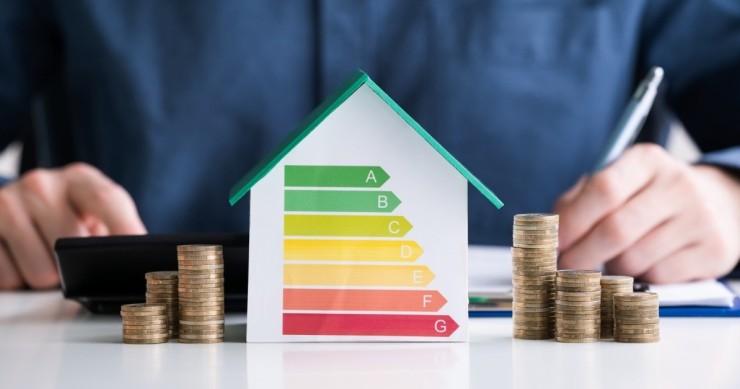
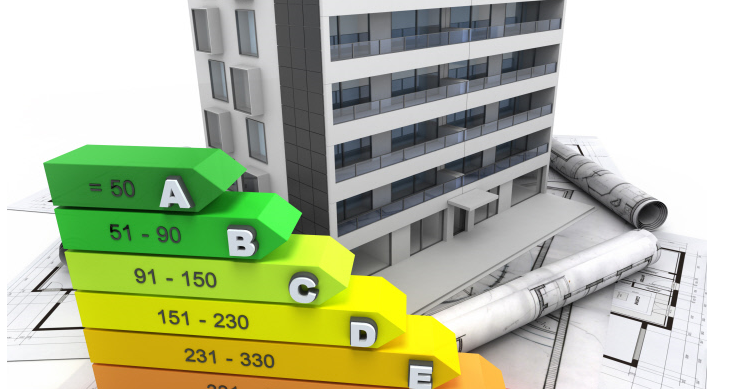
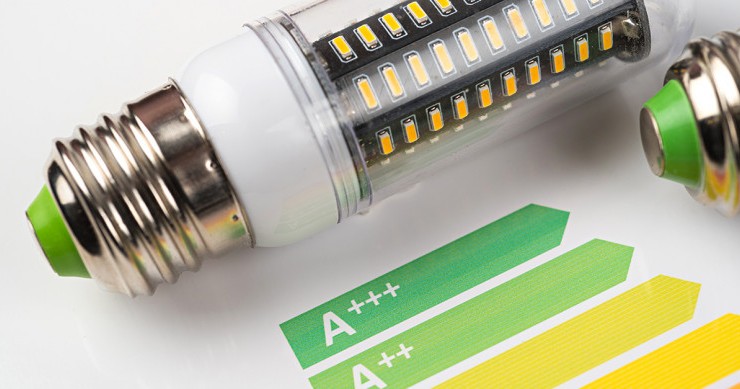
Knowing your home's energy efficiency is essential to understanding how much energy it consumes and how much you could save on your bills. This information not only affects the comfort and value of your property but is also required for real estate transactions such as sales or rentals.
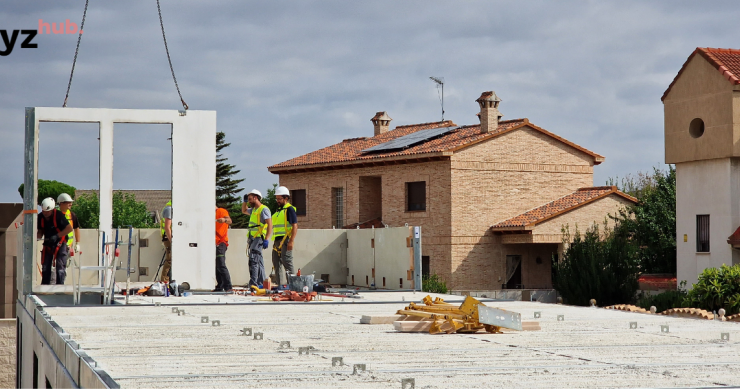
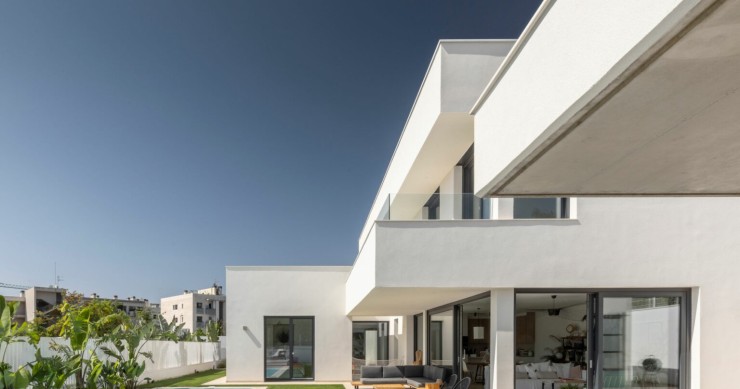
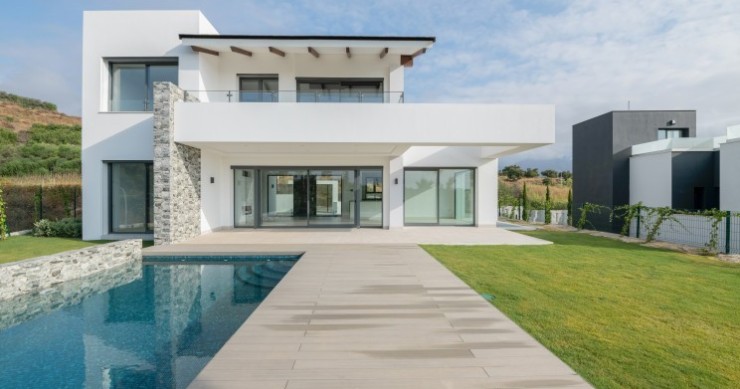
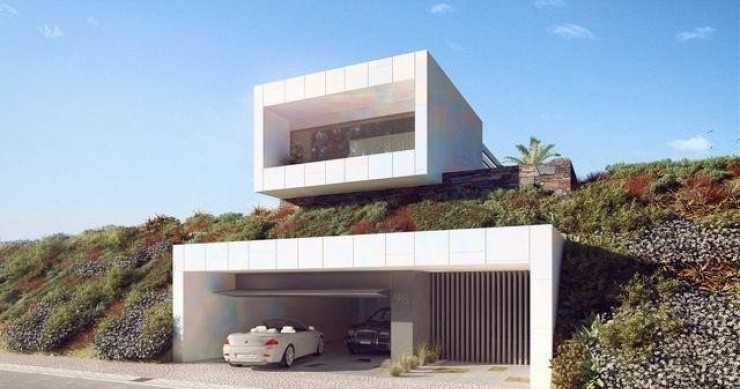
Passive houses, also known as "Passivhaus", represent a construction model that integrates energy efficiency, comfort and sustainability. While it may seem like a futuristic concept, this type of construction is already gaining traction in Spain. But what does it actually mean to live in a passive house, and what benefits does it offer?
The new European Directive on Energy Performance in Buildings (EPBD) calls on EU member states to reform their entire property stock by 2050, by which time all buildings must be zero-emission and comply with climate neutrality.Spain presents a unique challenge, as more than 80% of its housing stock
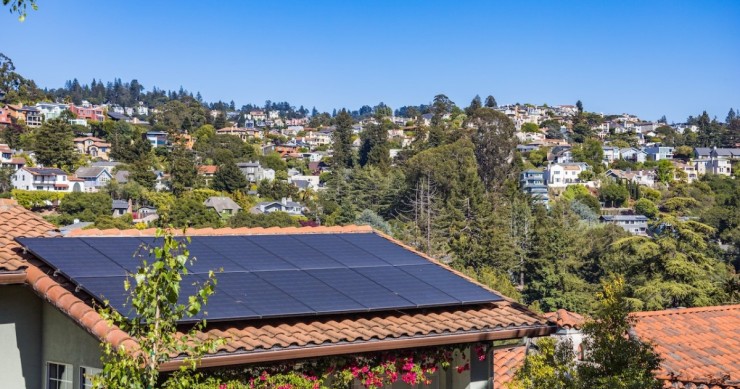
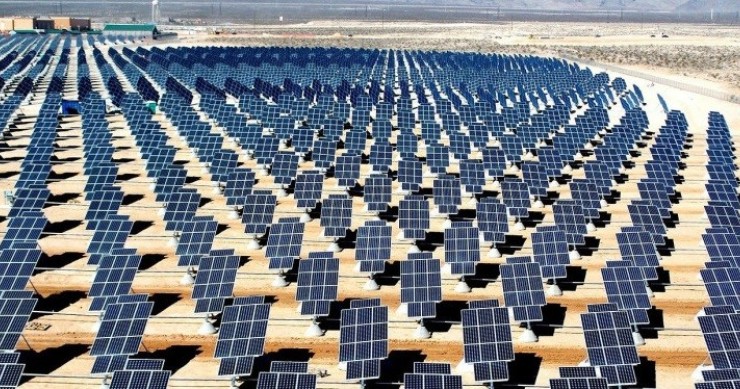
Residential solar panel installation has boomed in Spain in the last two years. In 2022, 2.5 gigawatts (GW) of self-consumption power was installed on more than 200,000 homes, twice as much as in 2021. Most were single-family homes, as residential installation is more complicated.
Self-supply photovoltaic systems have certain limitations, the cost being one of the chief ones, as it is inaccessible for many people. Grants are available but take a long time to be paid, usually after installation.
Architecture can sometimes be like playing Tetris, that video game where the aim is to fit a shape into a delimited space with very little room for error.
Passivhaus houses are the best example of how sustainability and energy efficiency can work. Moreover, Passivhaus architects do not usually overlook other elements, such as attractive design and maximum practicality.
Article written by Álvaro Vega, regional director of PlanRadar in Spain.
As a sustainable alternative to the standard constructions we know as the norm today, "passive houses" are in fashion.
According to the real estate developer Aedas Homes, it has built the first housing development in Spain made with 100% post-consumer recycled aluminium together with Technal, which has already been using 75% post-consumer recycled aluminium for several years.
This sustainable material, which c
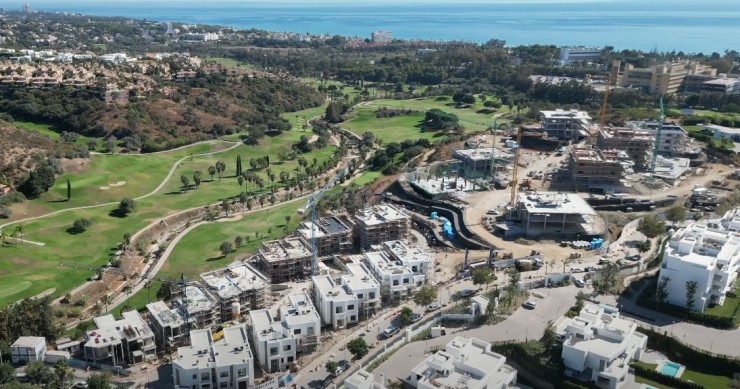
The housing construction sector in Spain is becoming increasingly sustainable and efficient, offering more and more examples of designs and buildings that seek to apply zero carbon or carbon neutral and highly efficient construction measures.
All owners who want to sell or rent their property in Spain (which was built before 2007) must have have an Energy Performance Certificate (EPC) in compliance with the royal decree 235/2013, of 5th April.
Most of the time, when we think of comfort in the home, we immediately associate this idea in our minds with a soft sofa, large and comfortable beds, spacious rooms, a well-equipped kitchen, etc.
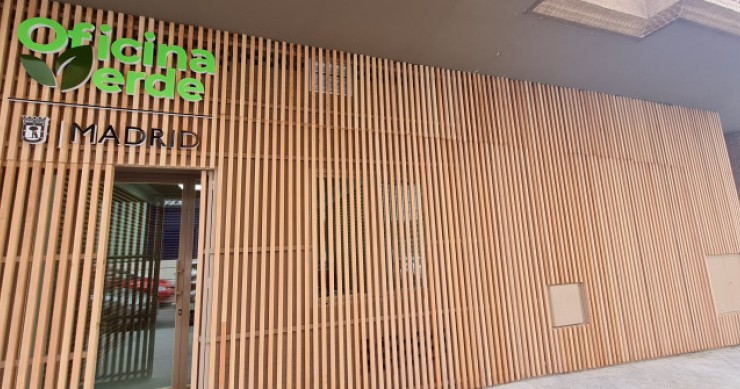
Madrid City Council, through the Delegate Housing Department, has decided to make a clear commitment to restoration; to transform and improve the residential fabric of the Spanish capital.
Article written by Juan Cabrerizo, SATE specialist and thermal insulation expert at Propamsa
The prices that electricity has reached in recent times have put many Spanish households on the ropes, as they have had to face record highs in their bills. In addition, forecasts indic
The Swedish home decoration giant IKEA is going green in Spain. IKEA has announced that it will sell its new solar panel range in Spain in partnership with the Spanish energy company Contigo Energía.