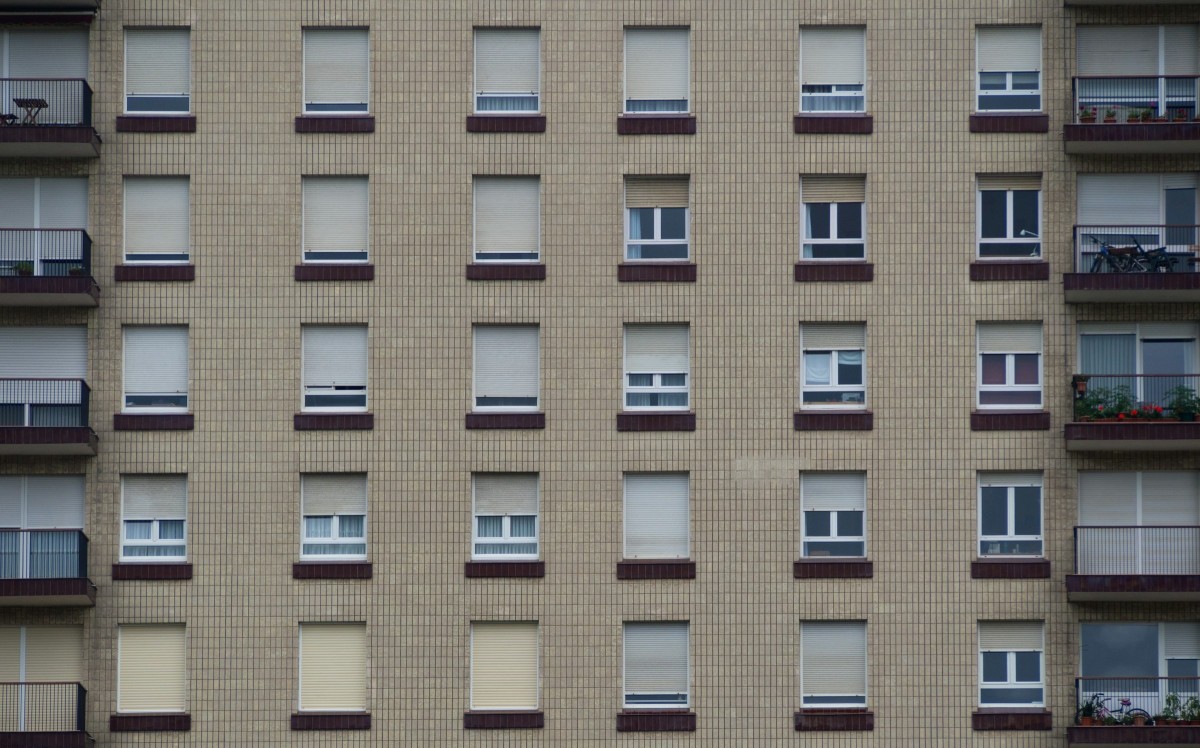

The phenomenon of squatting, or "okupación" as it is known locally, has become a significant issue in Spain, impacting property values and creating a complex legal and social landscape. This article explores the various facets of squatting in Spain, examining its origins, legal implications, and profound effects on property values.
Historical context and recent trends
Squatting in Spain has surged in recent years, driven by economic crises and housing shortages. The financial instability following the 2008 crisis left many properties vacant, providing opportunities for squatters. The COVID-19 pandemic further exacerbated this issue, leading to increased unemployment and economic hardship, pushing more individuals towards squatting as a last resort.
Legal landscape: squatters' rights vs. property owners' rights
The legal framework in Spain is intricate and often seen as favouring squatters over property owners. While Spanish law does not explicitly permit squatting, conditions such as unattended and inadequately secured properties can provide squatters with some legal standing. The Urban Leases Act of 1994 outlines the legal boundaries within which property occupation can occur, complicating the eviction process for property owners.
Economic impact on property values
Properties occupied by squatters often see a significant decline in value, sometimes by as much as 40-60%. This devaluation is due to potential costs associated with legal proceedings, renovations, and compensation for squatters. Moreover, the presence of squatters can create a sense of insecurity among local residents, further driving down property values in affected areas.
Here are some key points to consider regarding the impact of squatting on property values in Spain:
- Neighbourhood Perception: Squatting can affect the perceived desirability and safety of a neighbourhood. If squatting becomes prevalent in a particular area, it might deter potential buyers or renters who may perceive the neighbourhood as less secure or less well-maintained. This can lead to a decrease in property values in the affected area.
- Legal Uncertainty: The legal status of squatters in Spain can create uncertainty for property owners. The process of evicting squatters can be time-consuming and costly, and this uncertainty can lead to a decrease in property values as buyers may be wary of investing in properties that could potentially be occupied by squatters.
- Property Damage and Neglect: Squatting often involves occupying properties without proper maintenance or care. As a result, squatted properties may suffer from neglect, vandalism, or damage. This can lead to a decrease in property values in the affected area, as neighboring property owners may fear similar damage or neglect spreading.
- Government Response: The response of local authorities and the government to squatting can also impact property values. If authorities take proactive measures to address squatting and enforce property rights, it can help maintain property values by reassuring buyers and investors of the security of their investments. Conversely, a lack of effective measures to combat squatting can lead to a decline in property values.
- Market Dynamics: Ultimately, the impact of squatting on property values will also depend on broader market dynamics, such as supply and demand, economic conditions, and urban development trends. In some cases, areas with squatting may still see property values increase if other factors outweigh the negative effects of squatting.
Preventive measures and opportunities for investors
To safeguard assets against squatting, property owners must ensure that properties are properly secured and regularly monitored. Prompt legal action against any signs of illegal occupation can deter squatters. Despite these challenges, some investors find opportunities in purchasing properties with squatters at lower prices, aiming to diversify assets or develop specific projects such as seasonal rentals or student residences.