Spain continues to rank highly when people compare the best places to retire, and that remains true in 2026. A mild climate, a well‑regarded public healthcare system, and day‑to‑day costs that are often lower than in the UK or the US all play a part.
- Best places to retire in Spain in 2026
- Best regions and cities in Spain to retire
- Costa del Sol: classic choice for British and Northern European retirees
- Costa Blanca: sunny value option with huge expat communities
- Valencia: liveable city with great value and healthcare
- Costa de Azahar: quieter Mediterranean coast with lower density
- Bilbao and San Sebastián: cooler summers and premium quality of life
- Madrid: the best quality of life for pensioners
- The best coastal towns in Spain to retire
- Where do most British people retire in Spain in 2026?
- Where is the cheapest place to retire in Spain?
- How much do you need to retire comfortably in Spain?
- Is retiring to Spain a good idea?
Best places to retire in Spain in 2026
Among the countries with the longest life expectancy in the world, it's no surprise that people are choosing Spain for their retirement. In fact, Spain ranked third in the Global Retirement Index, 2025, thanks to its high quality of life among other factors.
- Costa del Sol – Suits retirees looking for year‑round sun, golf, and large English‑speaking communities.
- Costa Blanca – Appeals to those prioritising value for money and established Northern European expat networks.
- Valencia – Works well for retirees wanting city life without Madrid‑level costs.
- Madrid – Best for people who prefer a capital city with top‑tier healthcare and transport.
- Bilbao / San Sebastián – A good match for retirees wanting cooler summers and a high standard of public services.
- Costa de Azahar – Fits those looking for a quieter Mediterranean coast with lower population density.
- Canary Islands (Tenerife/Gran Canaria) – Often chosen by retirees seeking stable, warm weather all year.
Best regions and cities in Spain to retire
Costa del Sol: classic choice for British and Northern European retirees
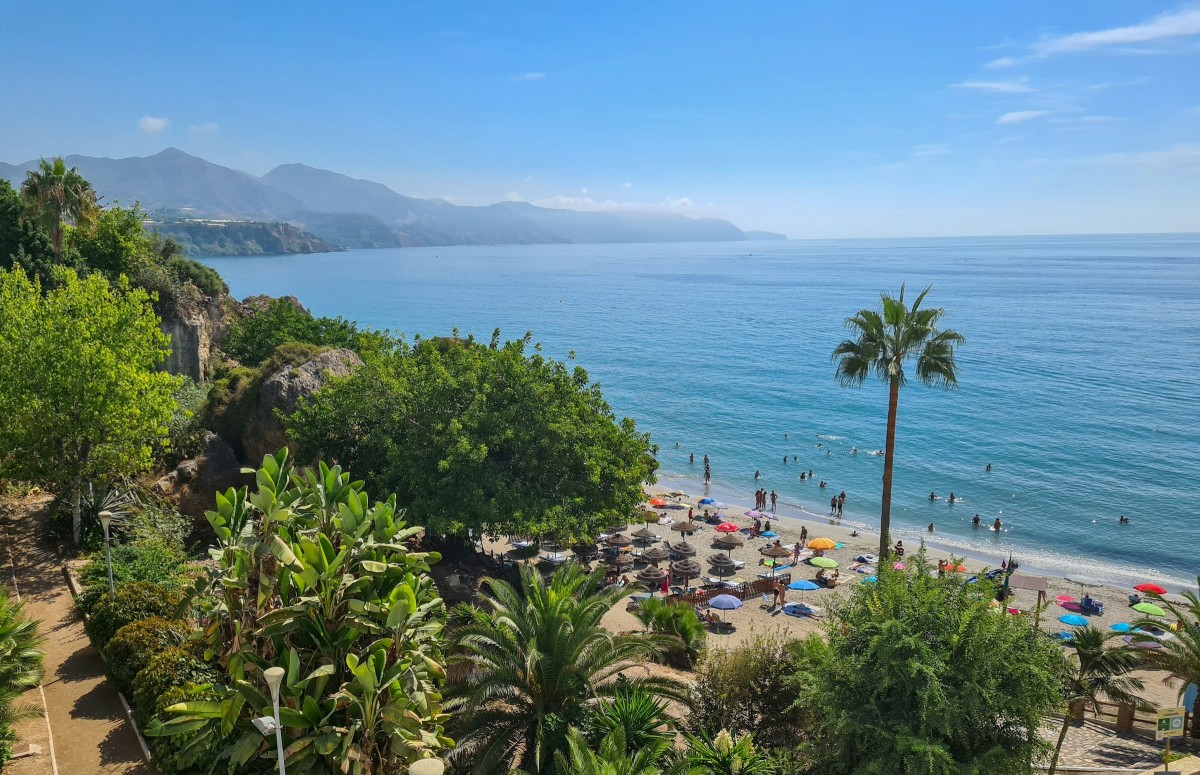
Retirement on the Costa del Sol often centres around a social, outdoor routine, with time split between coastal walks, cafés, and organised activities within long‑established expat circles. Towns such as Fuengirola, Estepona, and Nerja balance everyday services with easy access to Málaga’s hospitals and airport.
- Pros: large expat population, frequent flights to the UK and northern Europe, good healthcare access.
- Cons: higher housing costs in popular towns, busy summers.
- Property prices in Málaga province averaged around €4,047 per m² in December 2025, with rent prices in Málaga province at €16.7 per m² per month.
Who it suits best: retirees who value community, sunshine, and convenience over quiet.
Costa Blanca: sunny value option with huge expat communities

Life on the Costa Blanca is generally slower and more residential, particularly around Torrevieja, Jávea, and inland areas of Alicante province. Many retirees settle into routine lives here, with good access to private healthcare and everyday services in English.
- Pros: comparatively affordable housing, strong British and Northern European presence.
- Cons: less cultural variety outside larger towns, reliance on cars in some areas.
- Property prices in Alicante province averaged around €2,703 per m² in December 2025, while rent prices in Alicante province stood at about €12.2 per m² per month.
Who it suits best: budget‑conscious retirees who prefer familiarity and sunshine.
Valencia: liveable city with great value and healthcare

Voted the best city in the world to retire to for 2025, retiring in Valencia offers a balanced urban routine, combining beaches, green spaces, and a functioning public transport network. The city’s healthcare infrastructure and walkable neighbourhoods appeal to retirees who want city comforts without the intensity of a capital.
- Pros: strong public healthcare, good value for a major city, manageable size.
- Cons: summer humidity, fewer English‑speaking services than heavy expat zones.
- Property prices in Valencia averaged around €3,269 per m² in December 2025, with rent prices in Valencia at roughly €16.3 per m² per month.
Who it suits best: retirees wanting an active city life at a slower pace.
Costa de Azahar: quieter Mediterranean coast with lower density
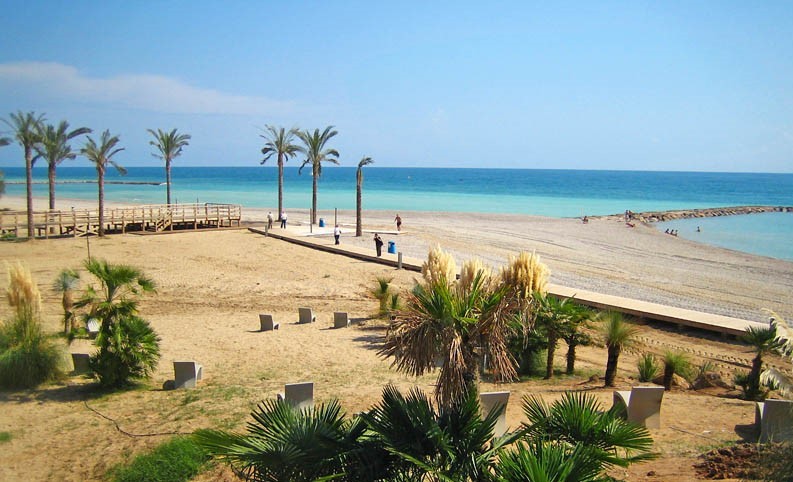
The Costa de Azahar, in Castellón province, suits retirees drawn to the sea but put off by heavily developed resorts. Places such as Benicarló and Peñíscola offer daily amenities without the crowds seen further south.
- Pros: lower population density, calmer atmosphere, good value housing.
- Cons: fewer international services, quieter winters.
- Property prices in Castellón province averaged around €1,496 per m² in December 2025, with rent prices close to €8.8 per m² per month.
Who it suits best: retirees looking for a peaceful coastal routine.
Bilbao and San Sebastián: cooler summers and premium quality of life

Northern Spain appeals to retirees who want to avoid intense heat and favour strong public services. Bilbao and San Sebastián support comfortable daily life through compact city centres and efficient healthcare systems.
- Pros: mild summers, low crime, strong local infrastructure.
- Cons: higher rainfall, housing costs in San Sebastián.
- Property prices in Bilbao averaged around €3,893 per m² in December 2025, with rent prices in Bilbao near €15.7 per m² per month.
Who it suits best: retirees with higher budgets who value climate moderation.
Madrid: the best quality of life for pensioners

Retirement in Madrid suits those comfortable with city living and keen to stay connected to cultural life. Excellent hospitals, extensive public transport, and neighbourhood markets shape daily routines here.
- Pros: healthcare quality, transport links, cultural access.
- Cons: higher housing costs, hotter summers.
- Property prices in Madrid averaged around €5,820 per m² in December 2025, while rent prices were approximately €23.1 per m² per month.
Who it suits best: retirees who prefer structure, services, and urban life.
The best coastal towns in Spain to retire
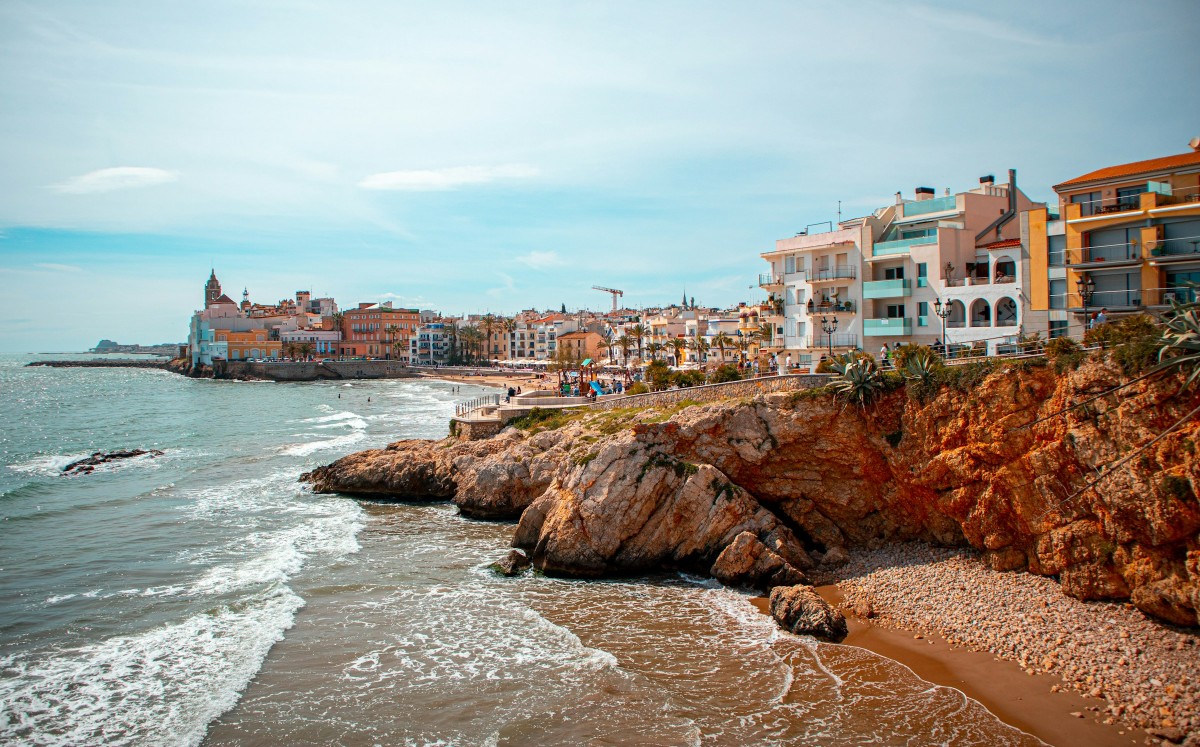
Spain boasts several charming coastal towns that offer an idyllic setting for retirement:
- Sitges - Close to Barcelona, with strong transport links and a busy year‑round calendar.
Best for retirees who want culture nearby without living in a large city. - Nerja - A compact town on the eastern Costa del Sol with walkable streets and nearby countryside.
Best for retirees seeking sea views with a quieter daily rhythm. - Cadaqués - Remote and tightly knit, with limited development.
Best for retirees valuing privacy and a slower pace. - Rota - An Atlantic‑coast town with long beaches and a local feel.
Best for retirees wanting space and fewer visitors. - Altea - Residential areas sit above the old town, popular with Northern Europeans.
Best for retirees comfortable with a calm, residential setting. - San Sebastián - Compact, well‑organised, and higher cost.
Best for retirees with larger budgets who value services and food culture. - Puerto de Mogán - Small‑scale resort living in Gran Canaria.
Best for retirees wanting consistent weather and a contained environment.
These coastal towns provide a mix of natural beauty, cultural attractions, and amenities, making them enticing options for retirees seeking a peaceful life by the sea in Spain.
Where do most British people retire in Spain in 2026?
British retirees in Spain still cluster around areas that combine direct flights, English‑speaking services, and established communities.
- Costa del Sol – Málaga, Marbella, Estepona, and Fuengirola attract retirees looking for social networks and easy travel back to the UK.
- Costa Blanca – Alicante, Torrevieja, Benidorm, and Jávea remain popular for their affordability and long‑standing British presence.
- Other areas – Smaller but steady numbers settle in the Balearics, Canary Islands, and inland parts of Andalucía and Murcia, often for lower housing costs or a quieter routine.
Where is the cheapest place to retire in Spain?
If budget is your main concern, several inland and less tourist‑focused regions stand out.
- Extremadura (Mérida or Cáceres) – Lower housing costs and a slower pace of life.
- Murcia (Cartagena and inland towns) – Warm climate with lower prices than neighbouring coastal hotspots.
- Galicia (Lugo or Ourense) – Cooler climate, affordable housing, and strong local services.
- Inland Andalucía (Jaén or smaller towns) – Significantly cheaper than Málaga or Granada provinces.
In Extremadura, property prices averaged around €1,035 per m² in December 2025, with rent prices around €7.3 per m² per month. This places the region among Spain’s most affordable for buying a house and settling down.
How much do you need to retire comfortably in Spain?
The amount you'd need to live comfortably in Spain depends on several factors, and, of course, age also comes into it. When it comes to the cost of retiring in Spain, this depends heavily on location, lifestyle, and whether you rent or own your home.
Big cities tend to be more expensive. In major areas, expect a monthly budget of around €2,200, whereas smaller towns could be manageable with €1,800-€2,000 monthly.
- Non-EU citizens: To acquire a Spanish retirement visa, you'll need to prove a minimum passive income of around €28,000 annually.
- Healthcare: While Spain has a public healthcare system, expats might need private health insurance, adding to the monthly costs.
Is retiring to Spain a good idea?
Moving to Spain can bring a high quality of life, though it also involves navigating bureaucracy, planning healthcare carefully, adjusting to language differences, and setting realistic budgets. These pros and cons of retiring in Spain tend to matter more over time than climate or scenery.

Stay in the know about living in Spain as a foreigner—get our weekly newsletter for the latest travel, legal, and lifestyle news.
For a taste of the high life, sign up for the monthly luxury market round-up.