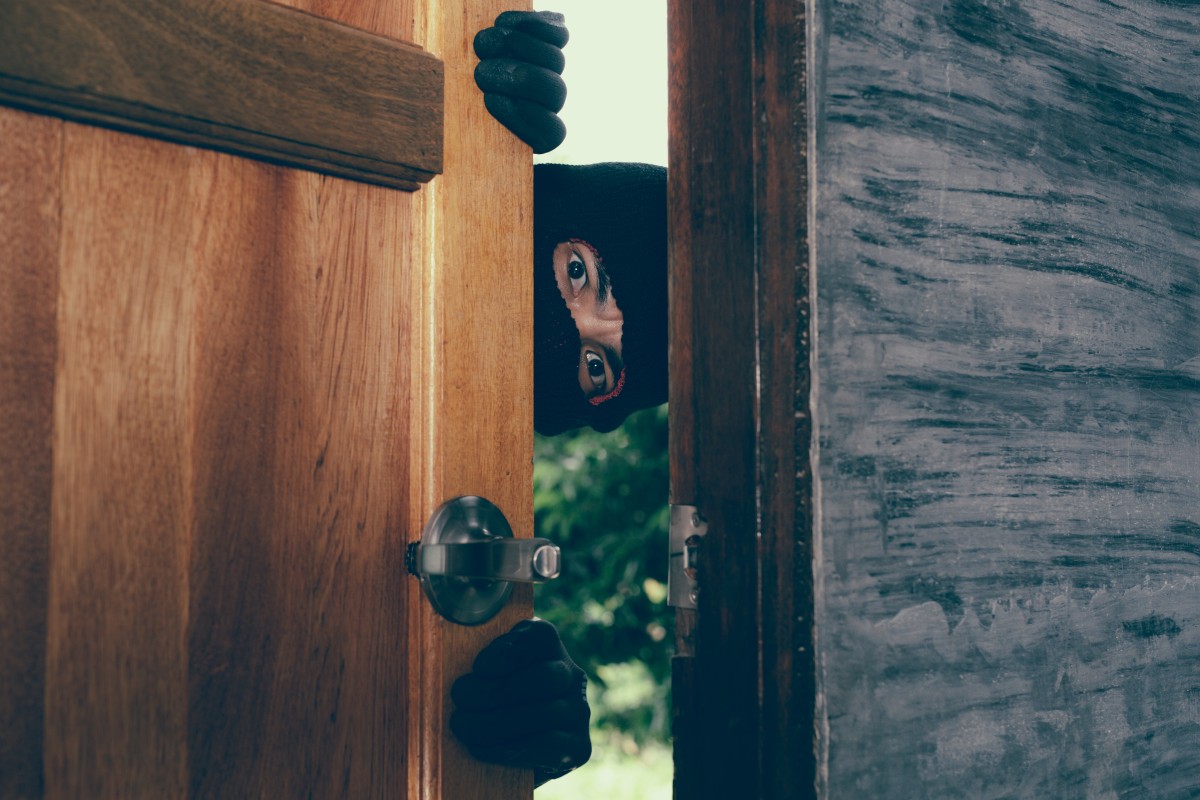


Illegal occupation, also known as squatting, is one of the biggest fears for any property owner. That's why it's crucial to know the legal status of any property before buying it. However, it can happen that we acquire a home where people reside without permission or any legal title, whether voluntarily or without prior knowledge.
We'll tell you how to evict a squatter from your new home and what tools are available to you in each case.
If I buy a house and it's occupied, what do I do?
The first thing you should consider is whether you were aware of the occupation beforehand, and whether the person or people occupying the property had the right to live there in the first place. Depending on these two factors, you can proceed in different ways.
Generally, you will need to initiate the legal process to evict the squatters from your new property , and as the new owner, you will be responsible for taking these legal steps, even if they were already occupying the property before the signing. The most common route is through civil proceedings, specifically an eviction lawsuit.
Find out the difference between evicting a tenant who doesn't pay rent and evicting a squatter .
On the other hand, Sometimes, it is possible to claim against the seller of the property : most often, the property is acquired at a reduced price precisely because of this problem, but if the previous owner consciously concealed this detail - and therefore acted in bad faith - it is possible to claim the nullity of the contract due to error in your consent and even resort to criminal proceedings and report him for fraud.
Another option is to claim compensation from them to cover the expenses you will incur in order to take possession of the house.
How to evict a squatter from a house you just bought?
These are the two options available to you to regain possession of the property you just purchased:
Eviction lawsuit
When a property is occupied illegally by one or more people, the most common course of action is to file an eviction lawsuit. This is a legal procedure designed to recover possession of the property if the occupant resides there without legal title.
This procedure is outlined in the Spanish Civil Procedure Law (LEC), and there is an expedited version, called express eviction , which has become the most common method. Specifically, this procedure allows for the eviction of:
- ' Inquiokupas ' and, in general, people who held a permit that is no longer valid. The most frequent scenario is precisely that of tenants with an expired lease or who have stopped paying rent. It can also happen that the previous owner of a property continues to reside there after a foreclosure and sale of the property by the bank.
- Squatters or people who never had permission to reside in the property legally.
Eviction cases are somewhat slower when there is a prior legal authorization than when there isn't and never was. Therefore, timeframes of between six months and a year are discussed in the first case. In the second, there is no room for debate, and The judge must order the eviction "immediately".
It should be noted that, although express eviction is much faster than other methods, a possible situation of vulnerability of the resident may slow down the recovery of possession of the property.
However, the situation changes if the owner is also in a vulnerable situation, or if they need the housing for themselves or for immediate family members, among other scenarios.
Complaint for usurpation

This route is not usually recommended because, by going through the criminal justice system, the process can be more tedious and a conviction will be more difficult.
The crime of trespassing is regulated in Article 245 of the Penal Code and punishes anyone who, through violence or intimidation, occupies a property or usurps a real property right belonging to another. The penalty is one to two years in prison, along with any applicable punishment for the violence used.
A fine of three to six months is also imposed on anyone who occupies another person's property, dwelling, or building without due authorization, provided it is not their primary residence, or who remains there against the owner's will. This is a lesser penalty because, in these cases, there is no violence or intimidation involved.
It's always best to try to reach an amicable agreement and regain possession of the property without resorting to legal action. However, if, after speaking with the occupant(s), we are unable to recover the property, we will have to file the corresponding lawsuit or complaint, depending on the case.
How to buy a squatted property?
Before buying, it's essential to thoroughly investigate the property, including whether it has any outstanding debts or liens, and the circumstances surrounding the squatting. This will help determine if it's worthwhile. It's also advisable to seek the advice of a lawyer specializing in real estate law.
The rest of the purchase process is similar to that of a sale , although the contract usually specifies who is responsible in case of damage.
Furthermore, before buying a house with squatters , it is advisable to review a series of issues:
- Legality : It is legal to buy a property with squatters. However, this situation will be detailed in the deed of sale, requiring the buyer's consent. The bank will not guarantee the condition of the property.
- Financing : You will need to have your own funds; these properties cannot be appraised, so you will not be able to obtain a mortgage on them.
- Types of squatters : Generally, these are people who, due to economic circumstances, choose to squat, maintaining the houses in good condition. However, there are also organized groups that expect to receive financial compensation and, in many cases, do not actually live in the property.
- Negotiation : Talking to the squatters and offering financial compensation can be effective, thus avoiding eviction proceedings . If an agreement is reached, they will likely allow you to inspect the property.
- Secure your home : Once you've vacated it, furnish it quickly. Bring in items like a mattress, sofa, chairs, or photos. This prevents future squatting, and if someone tries to reoccupy it, the act will be considered a more serious crime than mere trespassing.
Pros and cons of buying an occupied house
The benefits of buying an occupied property are:
- Price : Both bank-owned properties and those sold by individuals with squatters are priced below market value, sometimes by 50-60%. Therefore, those willing to accept the drawbacks of this arrangement can find real bargains.
- Investment opportunity : Given the discount on the price, if the property can be recovered and is in good condition or if investment is made in its rehabilitation, an attractive return can be obtained by selling or renting it.
- Negotiation : Sometimes, it is possible to reach an agreement with the occupants, offering them compensation so that they vacate the property voluntarily.
The disadvantages of buying an occupied property are:
- Not being able to enjoy the house : Normally, the new owner will have to assume and carry out the eviction to take possession of the property.
- Damage and defects : Often squatters are violent and have caused damage and defects in the apartment, so their repair would have to be assumed.
- Financing difficulties : Financial institutions may be reluctant to grant loans or mortgages for the purchase of occupied properties due to the associated risk. Furthermore, since entry to the property is not possible, it cannot be appraised.