If you’ve looked at property prices in Madrid or Barcelona lately, you’ll know why so many people are widening their search. Spain still has genuinely affordable cities, particularly in inland provincial capitals where life moves at a slower pace, and housing hasn’t spiralled in the same way.
- Cheapest cities in Spain based on property prices
- The 7 cheapest cities in Spain overall in 2026
- Zamora – the cheapest city in Spain to buy property
- Jaén – the cheapest city in southern Spain
- Lugo – low rents and steady value in Galicia
- Cuenca – dramatic setting, manageable prices
- Murcia – bigger city, still affordable
- Badajoz – border city with steady prices
- Cáceres – historic charm at reasonable prices
- How much do you need per month to live in these cities?
Cheapest cities in Spain based on property prices
The ranking below is based on the latest January 2026 idealista data, ordered by average property prices per m².
Rank | City | Property price per m² |
|---|---|---|
1 | Zamora | €1,300 |
2 | Jaén | €1,403 |
3 | Lugo | €1,464 |
4 | Cuenca | €1,511 |
5 | Murcia | €1,531 |
6 | Palencia | €1,541 |
7 | Ciudad Real | €1,546 |
8 | Badajoz | €1,567 |
9 | Cáceres | €1,578 |
The 7 cheapest cities in Spain overall in 2026
This selection also considers rental prices, day‑to‑day living costs, infrastructure and overall practicality for expats, ordered from cheapest to most expensive.
Zamora – the cheapest city in Spain to buy property
In Castilla y León near the Portuguese border, Zamora is small, traditional and architecturally rich, known for its Romanesque churches and quiet riverside setting.
Property prices in January 2026 average €1,300 per m², with rent at €7.7 per m². An 80m² flat would cost roughly €104,000 to buy or around €616 per month to rent.
Life here is calm and local. There’s little in the way of international buzz, but day‑to‑day costs are low, food is hearty, and you’re buying space and stability rather than nightlife.
Jaén – the cheapest city in southern Spain

Deep in inland Andalusia, surrounded by olive groves, Jaén delivers sun and tapas without Costa del Sol pricing.
In January 2026, property averages €1,403 per m², with rent at €8.4 per m². That puts an 80m² flat at around €112,240 to buy or approximately €672 per month to rent.
It’s a proper working Spanish city with a university presence and a strong food culture. Expect hot summers, very Spanish rhythms, and far fewer expats than in Seville or Málaga.
Lugo – low rents and steady value in Galicia
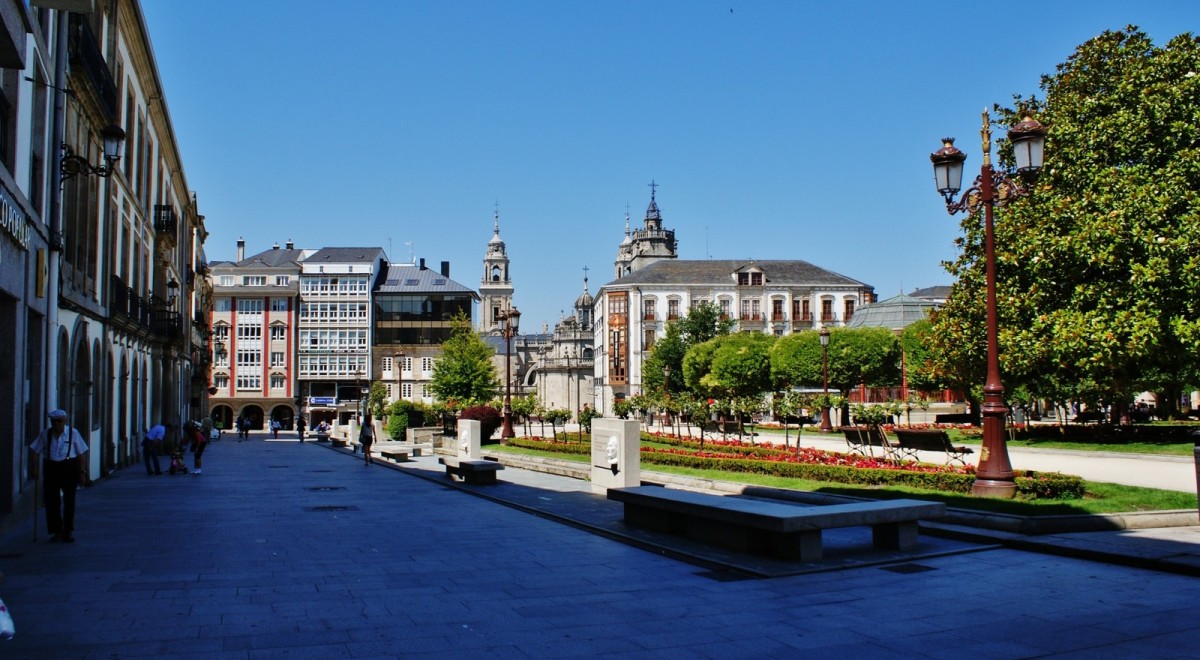
Up in green Galicia, Lugo is famous for its intact Roman walls and its strong regional identity.
Property prices in January 2026 sit at €1,464 per m², while rent averages €7.8 per m². An 80m² home would cost about €117,120 to buy or roughly €624 per month to rent.
The climate is cooler and wetter than southern Spain, but food is excellent and daily life is affordable. Lugo stands out more for rental value than rock-bottom purchase prices.
Cuenca – dramatic setting, manageable prices

Set between Madrid and Valencia, UNESCO-protected Cuenca is known for its hanging houses and striking natural surroundings.
January 2026 property prices average €1,511 per m², with rent at €8.1 per m². An 80m² flat comes in at roughly €120,880 to buy or around €648 per month to rent.
It’s quiet, scenic and compact. The high-speed train makes Madrid accessible, but the local job market is limited, so it suits remote workers or retirees best.
Murcia – bigger city, still affordable

In the south-east, close to the Mediterranean coast, Murcia offers a larger urban feel without the price tag of coastal hotspots.
Property prices in January 2026 average €1,531 per m². That means an 80m² property would cost around €122,480. Rent prices average €9.6 per m², so an 80m² flat would typically cost about €768 per month, which is noticeably higher than other cities on the list.
You get more infrastructure here: shopping centres, hospitals, a university, and a modest international community. Summers are hot, but the coast is within easy reach.
Badajoz – border city with steady prices

Right on the Portuguese border in Extremadura, Badajoz is practical, spacious and often overlooked.
In January 2026, property prices averaged €1,567 per m², with rent at €8.1 per m². An 80m² flat would cost about €125,360 to buy or around €648 per month to rent.
Life here is unhurried and distinctly local. Lisbon is a couple of hours away, which adds a cross-border advantage if you like the idea of dipping into Portugal.
Cáceres – historic charm at reasonable prices

Also in Extremadura, Cáceres is known for its beautifully preserved old town, recognised as a UNESCO World Heritage site.
Property prices in January 2026 average €1,578 per m², with rent at €8.1 per m². An 80m² property would cost around €126,240, while rent would sit near €648 per month.
It’s visually stunning and culturally rich, but small and quiet. Employment opportunities are limited, so many residents work remotely or in the public sector.
How much do you need per month to live in these cities?
In many of these cheaper municipalities, purchase prices are also far lower than the national urban average, and some of the cheapest property in Spain under €100k or even under €50K turns up in and around these areas. The trade-off is a smaller job market, less international infrastructure, and quieter social scenes.
How much money you need to live comfortably in Spain varies depending on the type of housing and lifestyle choices. But a comfortable monthly budget in one of these cheap cities typically lands between €1,100 and €1,500 for a single person renting an average-sized flat:
- Expect housing costs between €600 and €800 per month in most of these cities
- Add utilities at roughly €100–€150 per month and groceries around €250–€300
- Include around €200 for modest eating out and leisure activities
Life looks quite different in larger Spanish cities, where housing alone can easily exceed these totals. At the other end of the scale, the cheapest towns to buy a house stretch your budget much further, but usually with trade‑offs in jobs, services and day‑to‑day convenience.

Stay in the know about living in Spain as a foreigner—get our weekly newsletter for the latest travel, legal, and lifestyle news.
For a taste of the high life, sign up for the monthly luxury market round-up.