Carnival in Spain is the moment winter finally loosens up a bit. Streets fill with parades, sequins and brass bands, and kids march through town in costumes their parents cobbled together. It’s a pre‑Lent blow‑out, but these days it feels just as much like a celebration of local identity, humour and sheer noise as anything religious
What is Carnival in Spain and why this Spanish holiday matters
Carnival in Spain is that noisy, slightly chaotic week or so before Lent when normal life loosens its tie. It’s rooted in Catholic tradition, but plenty of non‑religious people treat it simply as a winter festival and an excuse to dress up.
Every day life bends around it, and in some regions in Spain, it's a public holiday. Offices might close early on parade days, schools organise their own mini‑carnivals, and residents either lean in or plan a strategic escape.
What feels very Spanish is how local each version is.
- In Cádiz, the focus is witty songs and wordplay.
- In Tenerife, it’s all about huge floats and sparkly costumes.
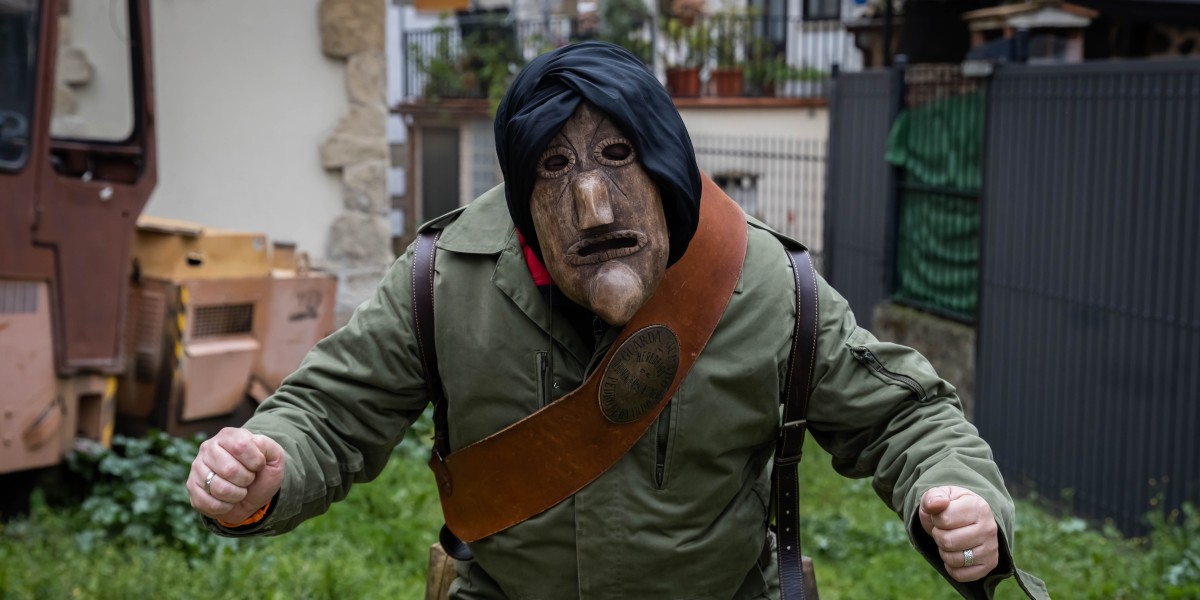
- In Galicia or Asturias, you get older, rural rituals that feel almost pagan.
When is Carnival in Spain
Carnival is tied to Easter, so it shifts every year. Broadly, it falls in February, sometimes nudging late January or early March. The main action usually centres on one “big weekend”.
However, most places stretch events over more than a week with contests, rehearsals and smaller parades built around the core dates.
How is Carnival celebrated in Spain
On the surface, carnival in Spain is fairly straightforward: themed parades, floats, brass and percussion bands, people in wigs and face paint, and a lot of beer and bocadillos eaten in the street. Underneath, it’s quite structured.
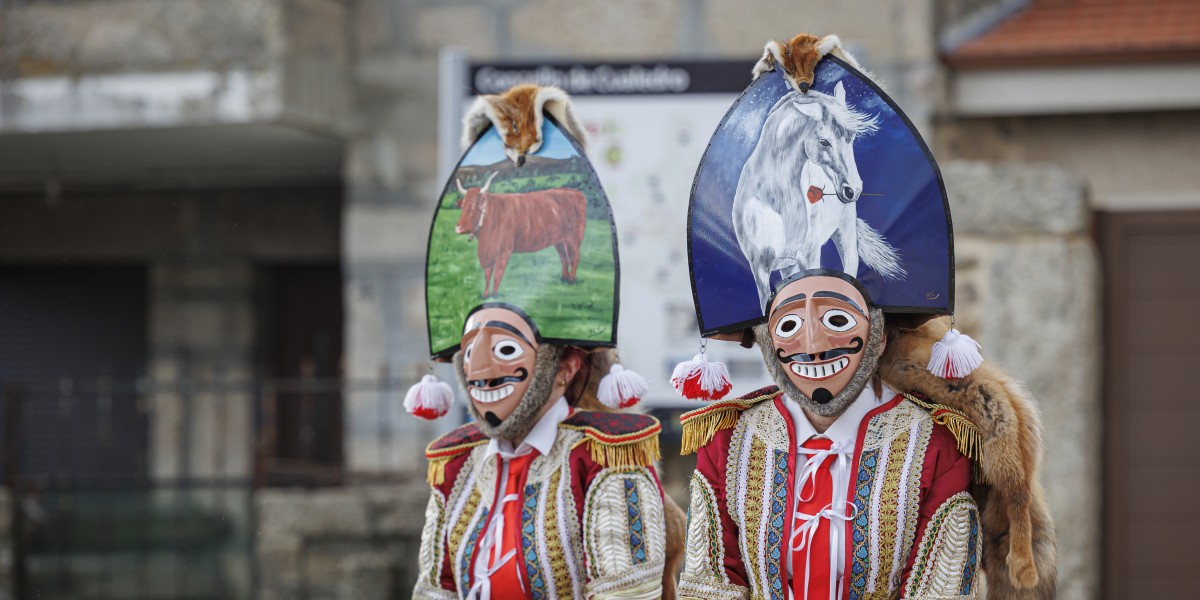
You’ll usually find:
- Parades and floats – local associations, schools and clubs build floats, choose themes and rehearse choreographies.
- Music groups – comparsas and murgas are organised troupes that sing and perform, often with social or political commentary.
- Masquerade and balls – some cities still have more formal masked balls in theatres or civic buildings, alongside very informal street parties.
- Children’s events – school parades, costume contests and family‑friendly daytime activities.
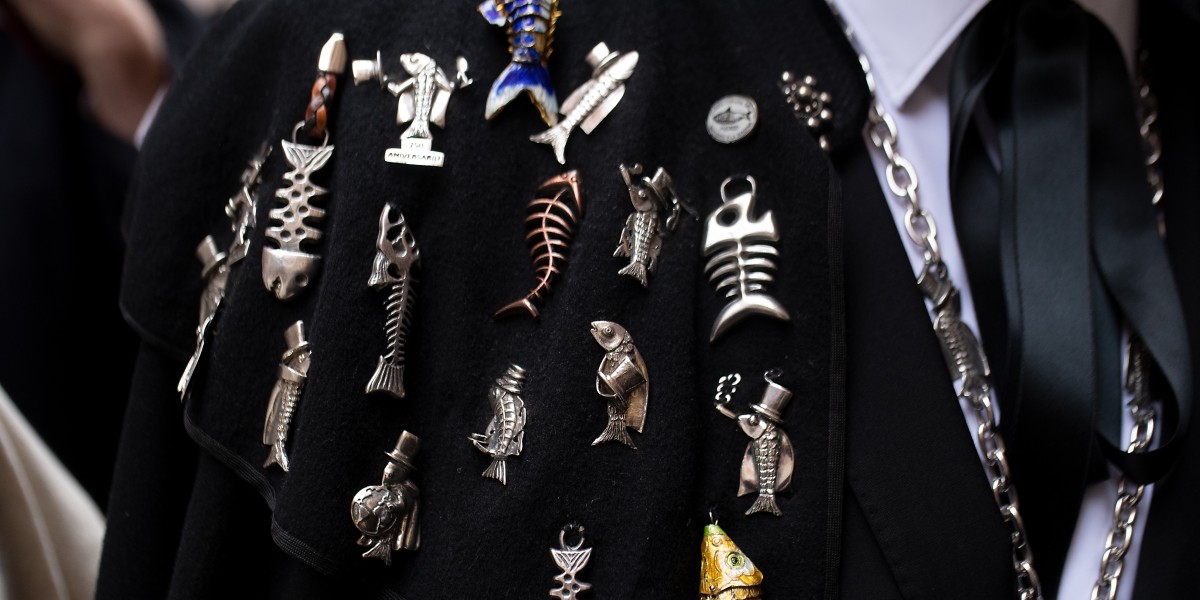
- Entierro de la Sardina (burial of the sardine) – a symbolic, often tongue‑in‑cheek funeral procession marking the end of carnival and the start of Lent.
History of Carnival in Spain
The history of carnival in Spain ties directly to the country’s politics. Like elsewhere in Catholic Europe, it began as a pre‑Lent blow‑out. This was a chance to eat richer food, drink, and behave a bit outrageously before the fasting and restraint of Lent.
In the 20th century, especially under the Franco dictatorship, carnival was either heavily controlled, rebranded, or outright banned in much of Spain. After democracy returned, cities reclaimed carnival publicly. Councils started investing in floats, competitions and tourism promotion, and what had survived as a local, slightly rebellious tradition became an official emblem.
Best carnival in Spain
There isn’t one “best carnival in Spain” so much as a handful of very different heavyweights. Each suits a different sort of person: some are all-night street parties, others are more about clever lyrics or quirky village rituals.
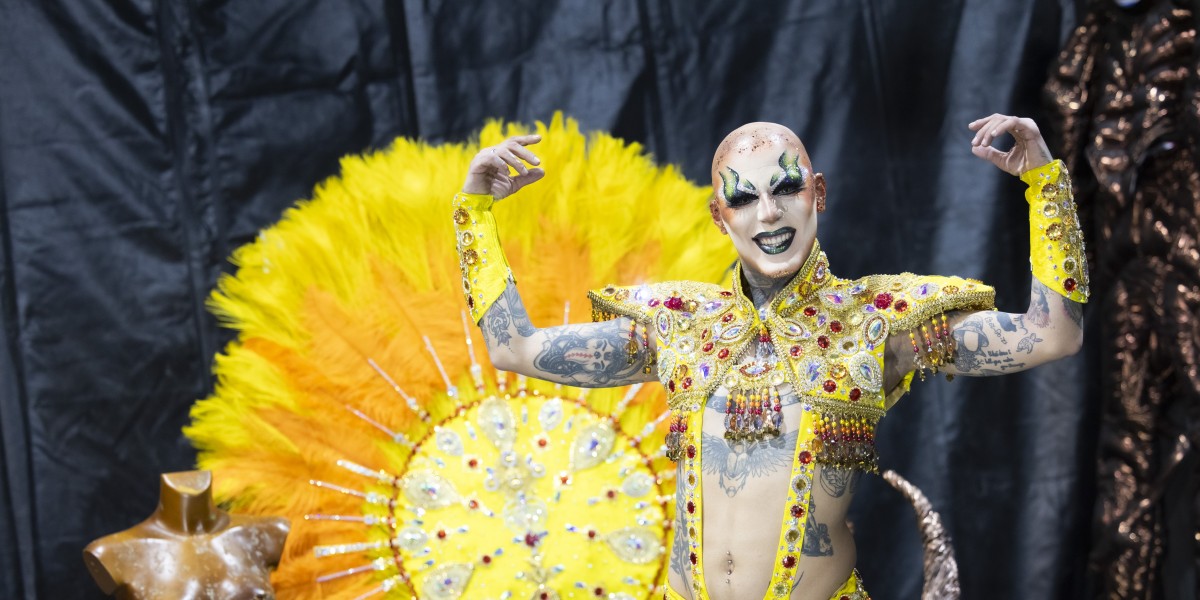
Big names worth knowing:
- Tenerife Carnival – enormous, tropical‑feeling parades, spectacular costumes and that half‑Rio, half‑Atlantic vibe.
- Cádiz Carnival – street corners full of singing groups, biting political jokes and a very Andalusian sense of humour.
- Sitges Carnival – seaside celebration just outside Barcelona, known for its LGBTQ+ scene and lively bars.
- Las Palmas de Gran Canaria – long programme of shows and galas and a mix of city life and beach.
Then there are smaller, more traditional carnivals in places like Águilas, Laza or Avilés that barely appear in English‑language guides but are brilliant if you’re into very local, slightly eccentric celebrations.
Music, costumes, and drink at Carnival in Spain
Carnival is basically a crash course in Spanish dress‑up culture.
Food and drink
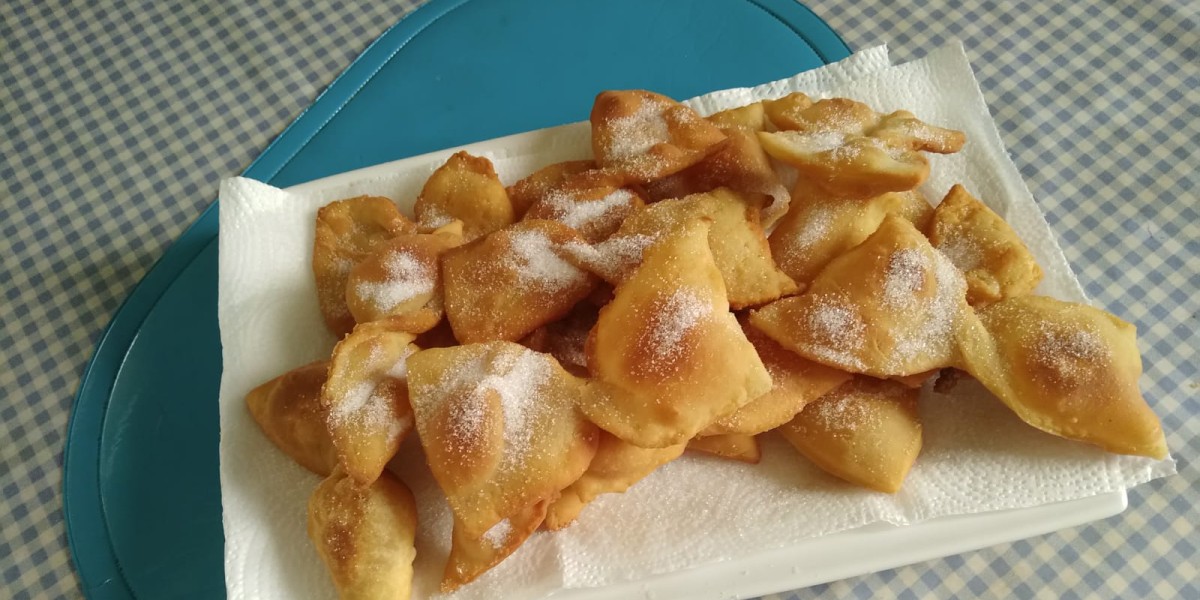
Plenty of casual, cheap eating: bocadillos, croquettes, grilled meats and late‑night churros from street stalls or old‑school cafes. In many regions, there are proper carnival‑season sweets too:
- orejas de carnaval (crispy dough) and filloas (crepes) in Galicia
- buñuelos and other fried doughs in central Spain
- butifarra de huevo (sausage) in Catalonia
Costumes and masks
Everything from elaborate hand‑sewn creations to last‑minute supermarket wigs and superhero capes. Families often go for group themes, and there’s usually a mix of topical satire and timeless classics.
Music
Brass bands and drums in most street parades, batucada groups giving a Brazilian‑style rhythm. And in Cádiz, you get those famous chirigotas and comparsas with fast, clever lyrics that locals can sing along to for years.
Regional quirks and lesser-known carnival facts in Spain
Once you scratch the surface, you find a patchwork of odd traditions that don’t get much coverage in English:
- In parts of Galicia and Asturias, people throw flour, talc or even water as part of the fun.
- Some towns are trying to clean up the environmental impact by limiting plastic confetti or encouraging reusable decorations.
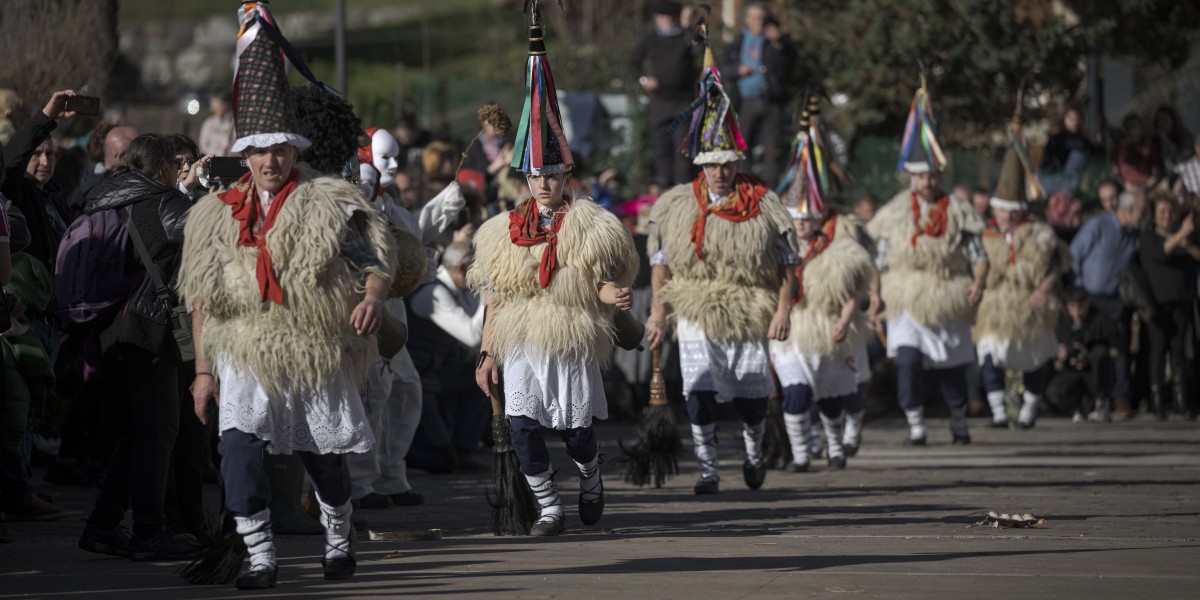
- In certain northern villages, you’ll see figures dressed in traditional, scary costumes. They often have whips, bells or towering hats and chase people through the streets as part of the ritual.
- In a few coastal areas, carnival ends with a mock “funeral” for a sardine or other symbolic figure, complete with people in black, fake mourning and a lot of dark humour.
Stay inspired for your travels in Spain—get our weekly newsletter for the latest travel guides, cultural news, and lifestyle tips.
For a taste of the high life, sign up for the monthly luxury market round-up.