Spain consistently ranks as one of Europe’s most popular retirement destinations. Warm weather, strong healthcare, walkable towns and comparatively affordable property all make it an attractive choice for international buyers.Yet searches for “the worst places to retire in Spain” continue to rise.
The Dutch presence in Spain’s housing market has shifted from a niche to a firmly established trend. People from the Netherlands are now a significant force among foreign buyers and tenants in Spain.
Essential expenses in Spain are taking an ever larger slice of household income, and the latest consumer spending data for 2026 show how sharply the picture changes from one province to another.
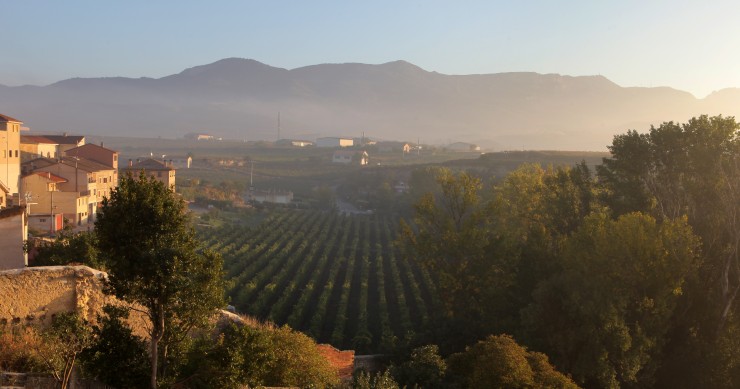
Across much of inland Spain, villages have been losing residents for decades. La Rioja is among the regions where shrinking populations are putting pressure on schools, health services and local businesses.
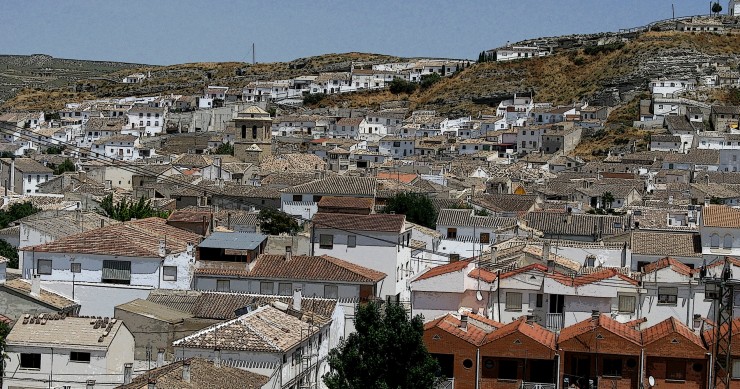
Galera is a small village in northern Granada province, with just over 1,130 people on the books. What sets it apart locally is that it’s growing, while nearby villages are quietly emptying out.
This small Balearic island is all turquoise coves, dusty tracks and lazy sunsets, but living in Formentera full-time is a very different story from a week’s holiday.
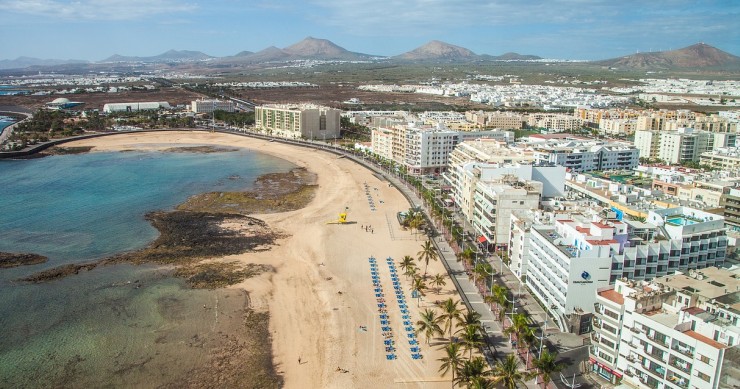
Melilla is a compact Spanish city on the Moroccan coast with sandy urban beaches and handsome modernist façades. With Melilla's population around 87,000, the city boasts a layered mix of Spanish, Amazigh and Moroccan culture.
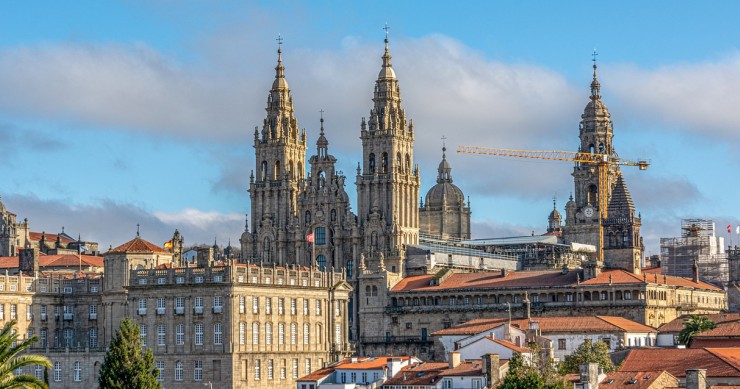
Santiago de Compostela is a compact university city in Galicia, famous as the endpoint of the Camino de Santiago and anchored by its UNESCO‑listed Old Town.
For anyone searching for the best place to live in Spain for LGBTQ+ newcomers, International Living points to four places, picked for their balance of safety, services and a sense of belonging.
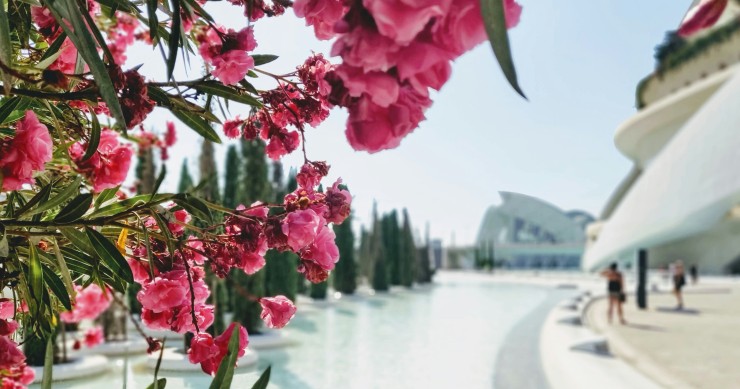
Valencia lands 7th globally for quality of life on Numbeo in November 2025, which fits how it feels on the ground. The city is big enough for culture and jobs, but small enough to stay sane.
According to a new report by Spain’s National Statistics Institute, quality of life nudged higher in 2024, driven by gains in health, education and work.
Living in Los Cristianos means a sunny, walkable base in Tenerife South, with a working harbour, year‑round buzz and long promenades linking the island's best beaches.
Living in Las Palmas de Gran Canaria means a proper Atlantic city wrapped around the golden curve of Las Canteras Beach, the historic lanes of Vegueta–Triana, and the working port at Puerto de la Luz. Island winds keep summers breezy and winters mild, and there’s surf at La Cícer.
Time Out’s 2025 snapshot of 18,500 residents puts happiness under the spotlight — and Spain has plenty to smile about. A Spanish city takes the crown, three others join it near the top, and Iberia’s neighbours and the UK make a solid showing.
Mojácar really gets under the skin in the best way. Think sugar-cube houses tumbling down a hillside into a long strip of sand, proper tapas culture and a pace that lets you breathe.
Ojén is a whitewashed village tucked into the foothills of the Sierra de las Nieves, a short drive from Marbella. Life runs a little cooler and quieter than the coast, but beaches, big supermarkets and the shopping centre are minutes away.