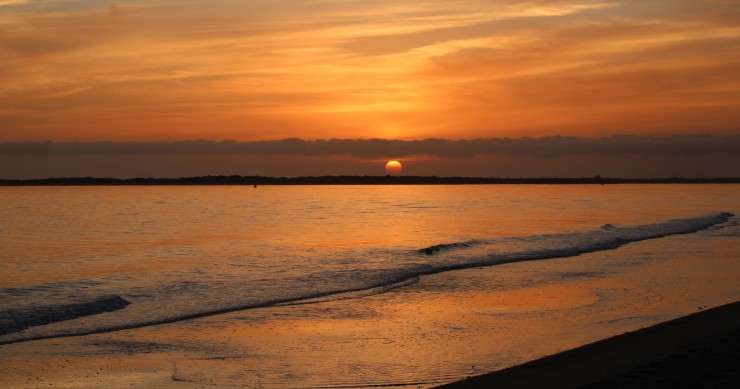
With more than five kilometres of unspoilt sand in the heart of Cabo de Gata-Níjar Natural Park, this wild beach in Almería is a paradise for swimming, diving and flamingo spotting.
The province of Almería has one of the most extensive defensive networks in Spain. This is no coincidence, as it was one of the last territories of the Kingdom of Granada to be incorporated into the Crown of Castile and remained vulnerable to pirate attacks for centuries.
Located between Sotogrande and La Línea de la Concepción, in San Roque (Cádiz), La Alcaidesa is a coastal development that has gained popularity in recent years for its natural surroundings, golf courses and views of the Rock of Gibraltar.
Córdoba is a city that captivates with its whitewashed streets, flower‑filled patios and historic monuments. However, when seen from above, its silhouette takes on a different dimension.
Previously the headquarters of the Andalusian Railway Company – and later home to the Southern Hydrographic Confederation (CHS) and the Andalusian Water Agency – the historic Palacio de la Tinta (which translates to Ink Palace) has now been transformed into a five‑star hotel. Designed by architect Julio O’Brien, the building dates back to 1908 and originally functioned as a railway administrative centre, when large amounts of ink were required daily for the manual issuing of tickets – a detail that gave the palace its distinctive name.
Corpus Christi is Granada's main annual festival, blending centuries-old religious ritual with a full-blown Andalusian feria. For one week, the historic centre fills with processions and satire, while the north of the city turns into a sea of casetas, fairground rides and late-night dancing.Wha
The province of Cádiz is home to one of the most captivating collections of fortresses in southern Spain. Its strategic position – between the Atlantic and the Mediterranean and facing North Africa – made it a highly contested border for centuries.
Every April, Seville transforms into something that feels halfway between a village fête and a theatrical spectacle. For 2026, the Feria de Abril runs from Tuesday 21st to Sunday 26th April.The fairground in Los Remedios becomes a temporary city of lanterns, horses, and music.
The first homes in Pinares Hills, a luxury development by Cogitari Homes and Homerun Brokers, are now listed on idealista. Located in the exclusive Pinares de San Antón, just 20 minutes from Málaga city centre, the project offers 13 villas ranging from 400 to 900 m². Prices start at €2.7 million and reach nearly €5 million for the most exclusive units.
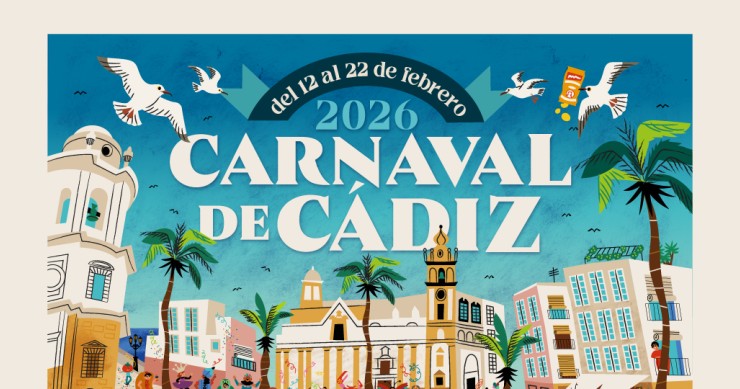
If you’ve ever been curious about why people get so misty‑eyed talking about Carnival in Cádiz, 2026 is a good year to understand it properly. This isn’t a glossy parade-first carnival like Tenerife.
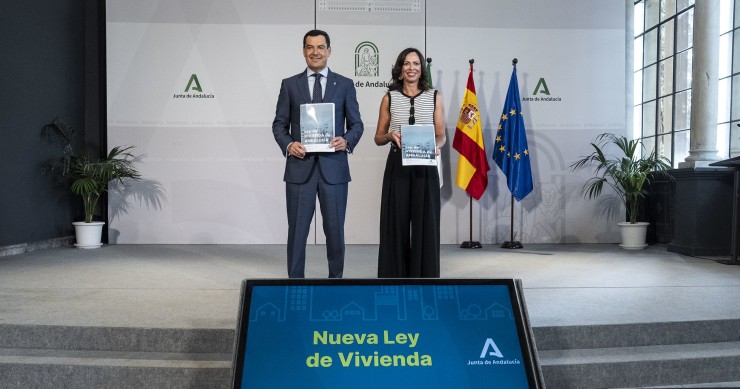
The rental market in Andalusia is undergoing one of its most significant transformations in recent years. The new Andalusian Housing Law (Law 5/2025), which comes into force on 24 January, introduces major changes that will directly affect landlords, tenants and estate agents.
Andalusia’s new Housing Law has now come into force, through which the government of Juanma Moreno aims to ease the housing crisis and reduce the region’s housing shortfall, estimated by the Bank of Spain at 90,000 homes.Law 5/2025, approved by the Andalusian Parliament on 16 December and announced
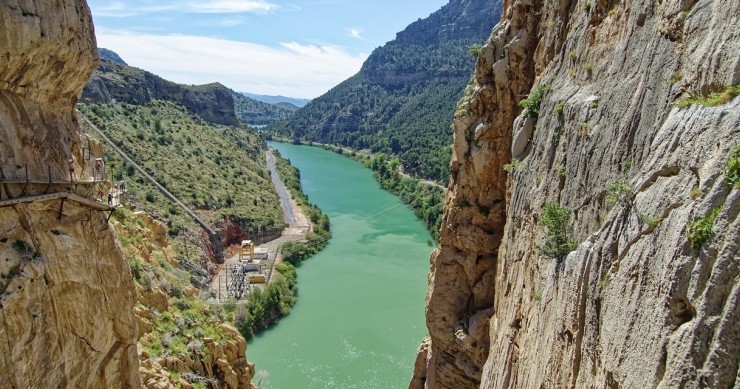
The Caminito del Rey is one of Spain’s most epic hiking routes, a cliffside walkway threading through the Gaitanes Gorge with huge views over the Guadalhorce River.
Seville feels so sun‑soaked and open that it tricks a lot of people into assuming the sea must be just around the corner. Yet the city sits inland on the Guadalquivir River, surrounded by fields and olive groves.
Seville has that dangerous combination of being both wildly beautiful and very easy to wander on foot. Most of the best things to do in Seville sit within a small radius around the cathedral and the river.
Seville has landed on Condé Nast Traveler’s Europe 2026 list for good reason. The city has kept its stately looks and sun-baked rhythm while quietly shifting gears.
Spain’s next food spotlight is set: Jerez de la Frontera will carry the Capital of Gastronomy title through 2026, with the handover from Alicante scheduled in January.What the title means and key datesThe Capital of Gastronomy is an annual recognition awarded since 2012 to a Spanish city that stands