New Year’s Eve traditions in Spain feel both homely and theatrical, with families glued to the same clock and strangers hugging in the street two minutes later.
What is the Spanish tradition for New Year’s Eve?
The heart of the night is the twelve lucky grapes, or uvas de la suerte. This is what most Spanish people do at midnight on New Year’s Eve and is one of the country's most unique festive traditions. As the clock rings out the year’s last twelve chimes, people eat one grape per bell to bring good fortune across the twelve months ahead.
There’s a small but crucial warm‑up called the cuartos — four quicker pre‑chimes. Only when those finish do the twelve slow, resonant bells begin. Many people place the grapes in a circle or choose small seedless ones to avoid choking or losing the rhythm.
How to eat the 12 grapes at midnight
If you’ve not done it before, the countdown goes faster than you expect. It’s basically speed‑snacking with a dress code, and the secret is rhythm over bravado.
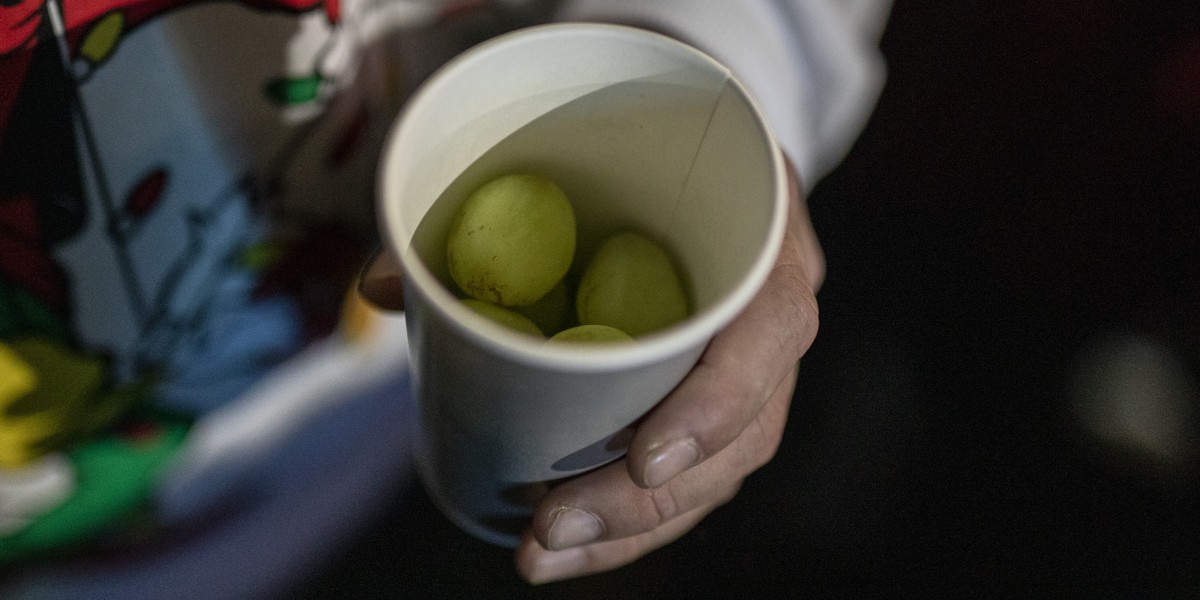
- After the four quick pre‑chimes, the cuartos, the first grape goes on the very first bell.
- Small bites and a steady tempo, lips zipped until the twelfth.
- Keep the cava within reach so the clink lands the second the last bell fades.
- Then hugs, a soft “Feliz Año”, and a satisfied breath before the night rolls on.
Why Spain eats 12 grapes on New Year’s Eve
Some point to an early 20th‑century bumper grape harvest that winemakers turned into a marketing nudge. Others trace it to Madrid society imitating French customs a bit earlier and swapping raisins or sweets for grapes.
Where to watch the midnight chimes
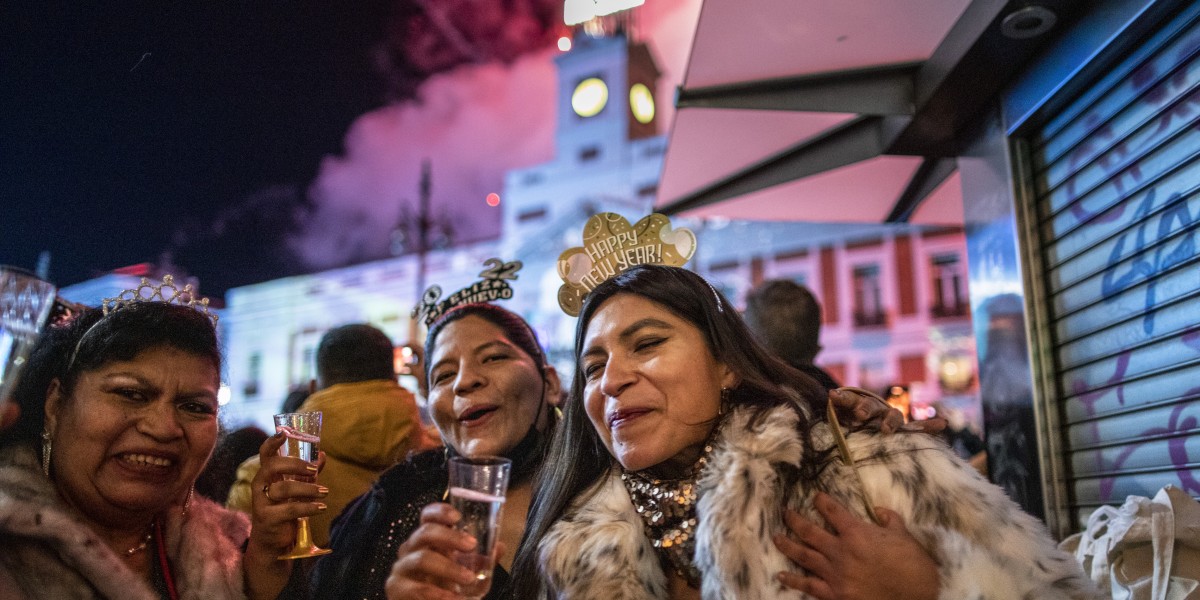
Most people tune into the televised campanadas and let the presenters steer the timing. Crowds also gather in big squares to share the moment together.
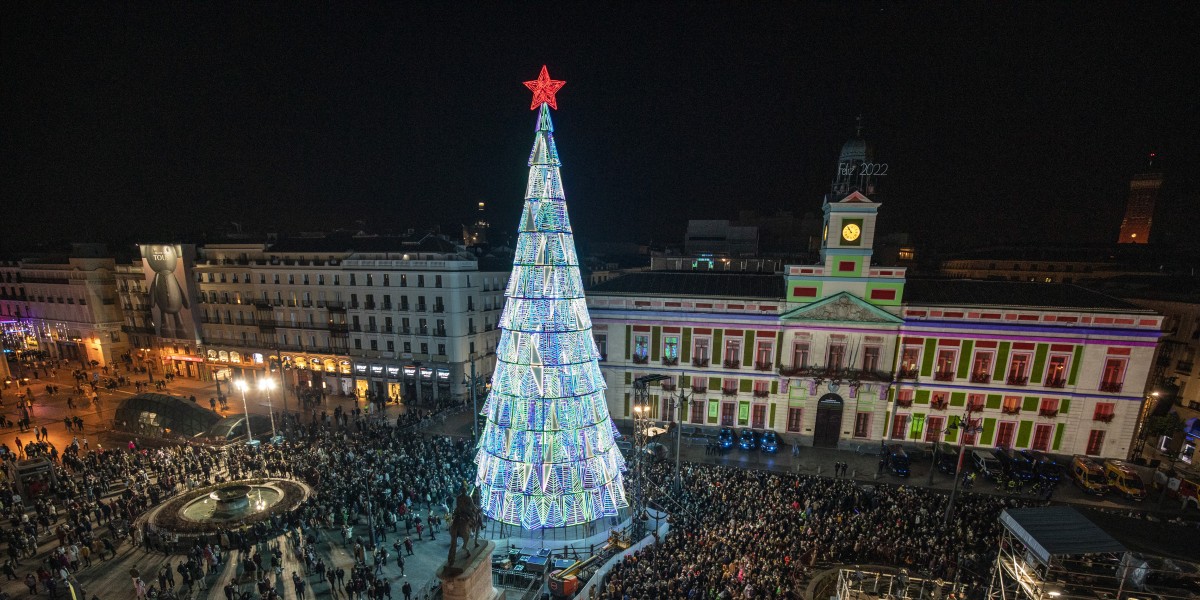
Madrid’s Puerta del Sol is the most famous stage, with the clock on the Real Casa de Correos setting the rhythm for the nation. If you’re staying central, the festive atmosphere around the capital's Christmas lights and decorations is part of the fun.
What do Spanish people do on 31 December?
The evening usually starts at home, drifts to the TV at midnight, and then spills onto the streets and into bars well after the toast. Think long dinners that start at 10 pm or later, laughing at the presenters’ outfits, and a bleary‑eyed wander for churros when dawn creeps in.
Foods and drinks for New Year’s Eve and New Year’s Day
Like Spain's other traditional festive food, dinner on Nochevieja tends to be generous, a little dressy, and heavy on treats you don’t eat every week. Seafood is common, you’ll see roast lamb or suckling pig on family tables, and there’s always a plate of turrón or polvorones making the rounds.
Lentils on New Year’s Day
Lentils are a quiet staple of 1st January. The idea is simple: each little coin‑shaped pulse stands for good fortune. In Madrid, you’ll often find a simple pot stew with chorizo. In other regions, it might be a lighter vegetable version, but the meaning doesn’t change.
The cava toast and gold ring tradition
Cava is the go‑to for the midnight toast, and there’s a lovely spectrum of styles. Dry brut is the norm for toasting, but many families open a sweeter bottle later for dessert. Some folks drop a gold ring into the glass for luck, sip, and fish it out with a grin.
Iconic places to celebrate New Year’s Eve in Spain
If you want the big public moment, Puerta del Sol in Madrid leads the way. Barcelona gathers by the Magic Fountain on Avinguda de la Reina Maria Cristina, and Valencia rings in the year around Plaza del Ayuntamiento. Seville, Bilbao and Granada also stage public shows and fireworks in their central squares, so finding the best city to enjoy New Year’s Eve in Spain depends on what suits your style.
Regional twists on New Year’s Eve traditions in Spain
Local character shapes the night in small ways.
- Catalonia: a very Catalan quirk is the daytime folklore figure, the Home dels Nassos, and some households write wishes and burn the paper before midnight.
- Basque Country: “Urte Berri On” is the greeting, and alongside cava, people often raise a glass of local txakoli.
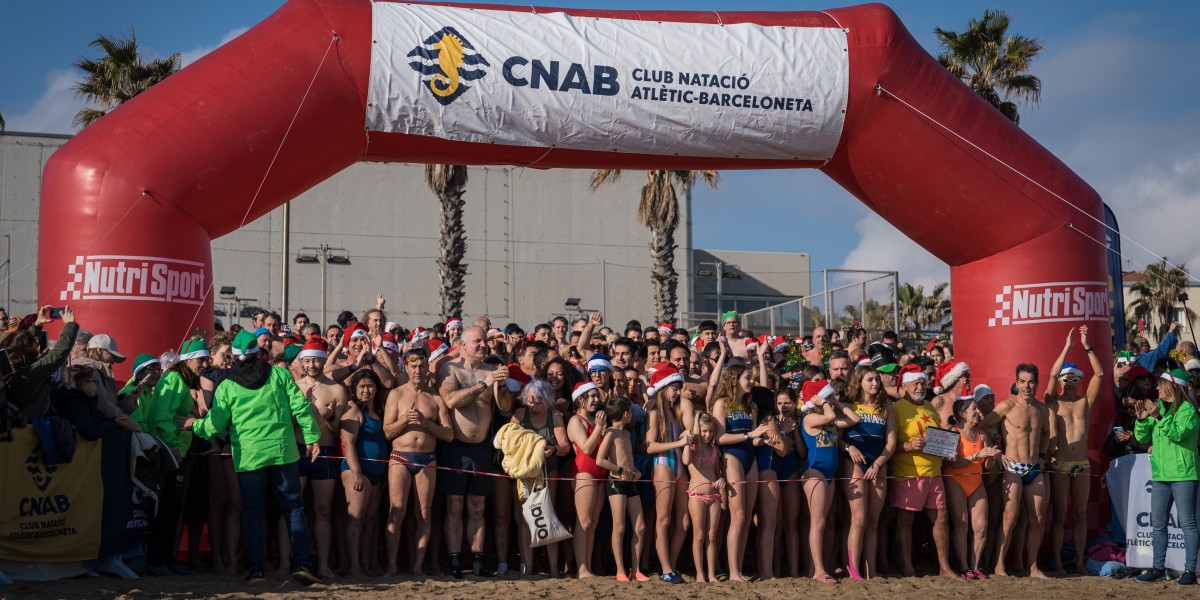
- Canary Islands: one hour behind the mainland, so the campanadas land later. Beachfront parties and fireworks are the norm, with plenty taking a first swim on 1st January.
- Valencia: the grapes from Vinalopó, Alicante, are the classic choice sold across Spain for midnight.
- Balearic Islands: “Feliç Any Nou” in Catalan, with plenty of islanders heading for a coastal walk or a dip the next morning.
Lesser‑known and quirky Spanish New Year traditions
There are dozens of small rituals people swear by. Some start the year on the right foot, literally stepping over the threshold with the right foot first. Some people slip a coin under their dinner plate for luck. Others set a biscuit on top of a coin, eat the biscuit at midnight and keep the coin as a prosperity token. You’ll also hear talk about colour and clothes. Red is linked to luck in love, so red underwear is a bit of a running joke at dinner tables every year.
Bérchules’ summer New Year celebration
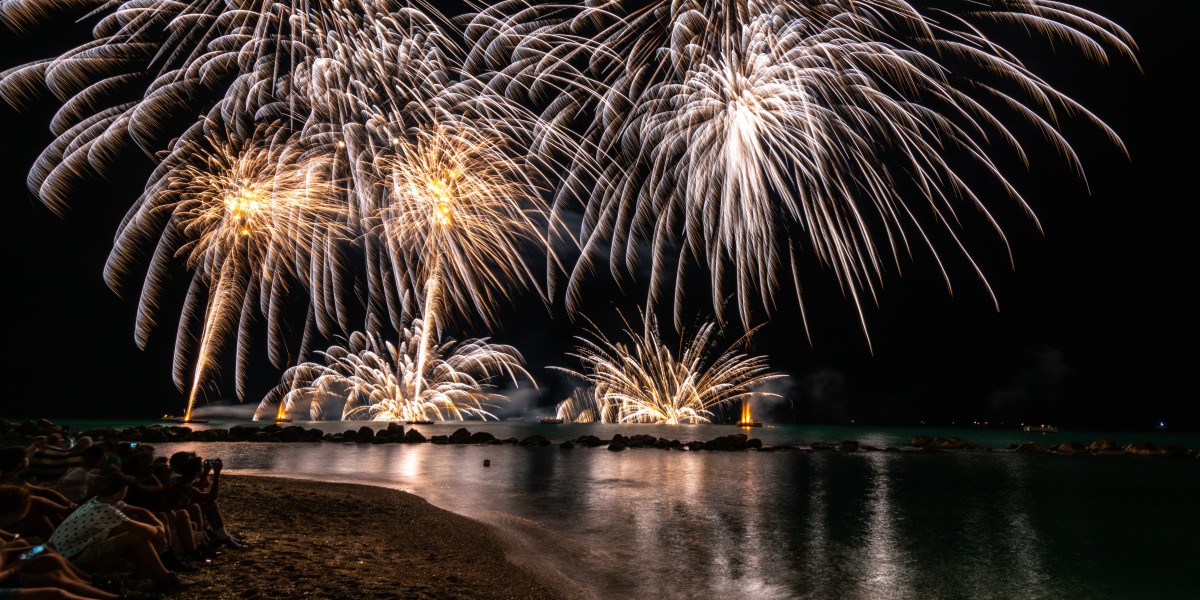
In the Sierra Nevada village of Bérchules, locals celebrate New Year in August, a tradition born after a power cut spoiled the real 31st December years ago. It has evolved into a sunny, tongue‑in‑cheek fiesta with grapes, music and a midnight moment under summer skies.
Stay inspired for your travels in Spain—get our weekly newsletter for the latest travel guides, cultural news, and lifestyle tips.