Spanish Easter food is one of the best bits of Semana Santa, stealing the spotlight from the processions and brass bands. Bakeries fill up with seasonal sweets, and family kitchens return to recipes that only appear once a year.
What foods are eaten during Holy Week in Spain?
Food in Spain during Semana Santa is shaped by Lent, regional identity and a serious sweet tooth. These are the Spanish Easter classics you’ll see in cafés and homes across the country.
Torrijas

The star of Spanish Easter desserts, torrijas are thick slices of bread soaked in milk, dipped in egg and fried in olive oil, then rolled in sugar or cinnamon. Think Spanish-style French toast, but richer and properly nostalgic.
Bacalao (Salt Cod)
During Holy Week in Spain, it’s cooked in dozens of ways, including bacalao al pil pil with garlic and olive oil or in a tomato-based sauce. Salt cod became popular because it kept well during fasting periods.
Roscos fritos

Roscos or rosquillas are ring-shaped fritters, lightly scented with anise or lemon zest. They’re crisp on the outside, soft in the middle and usually dusted with sugar.
Panquemado
Typical in the Valencia region, panquemado is a soft, slightly sweet bread with a dark, caramelised top. Despite the name meaning “burnt bread”, it’s fluffy inside and gently perfumed with citrus.
Buñuelos de viento

Buñuelos de viento are airy fried dough balls that puff up dramatically in hot oil. At Easter, they’re often filled with cream or chocolate, though savoury cod versions also appear in some areas.
Potaje de Vigilia
This is classic Lenten comfort food: a stew of chickpeas, spinach and salt cod. Potaje de Vigilia is traditionally eaten on Good Friday, when meat is avoided.
Pestiños

In Andalusia, pestiños are a staple Spanish Easter sweet. These folded pastries are flavoured with anise and sometimes a splash of sherry, then glazed with honey or sugar.
Gañotes de Ubrique
From the Cádiz town of Ubrique, gañotes are tightly rolled pastries fried and coated in syrup or sugar. They look unusual but are sweet and slightly crunchy inside.
Mona de Pascua

In Catalonia and parts of eastern Spain, the Mona de Pascua is the traditional Easter cake. It’s a soft sponge or brioche-style cake decorated with chocolate figures or whole boiled eggs baked into the top. Godparents often give one to their godchildren on Easter Monday.
Borrachuelo malagueño
Typical in Málaga, borrachuelos are pastries filled with sweet pumpkin or sweet potato paste. The dough is dipped in wine before frying, which gives them their “tipsy” name.
Do they have Easter eggs in Spain?
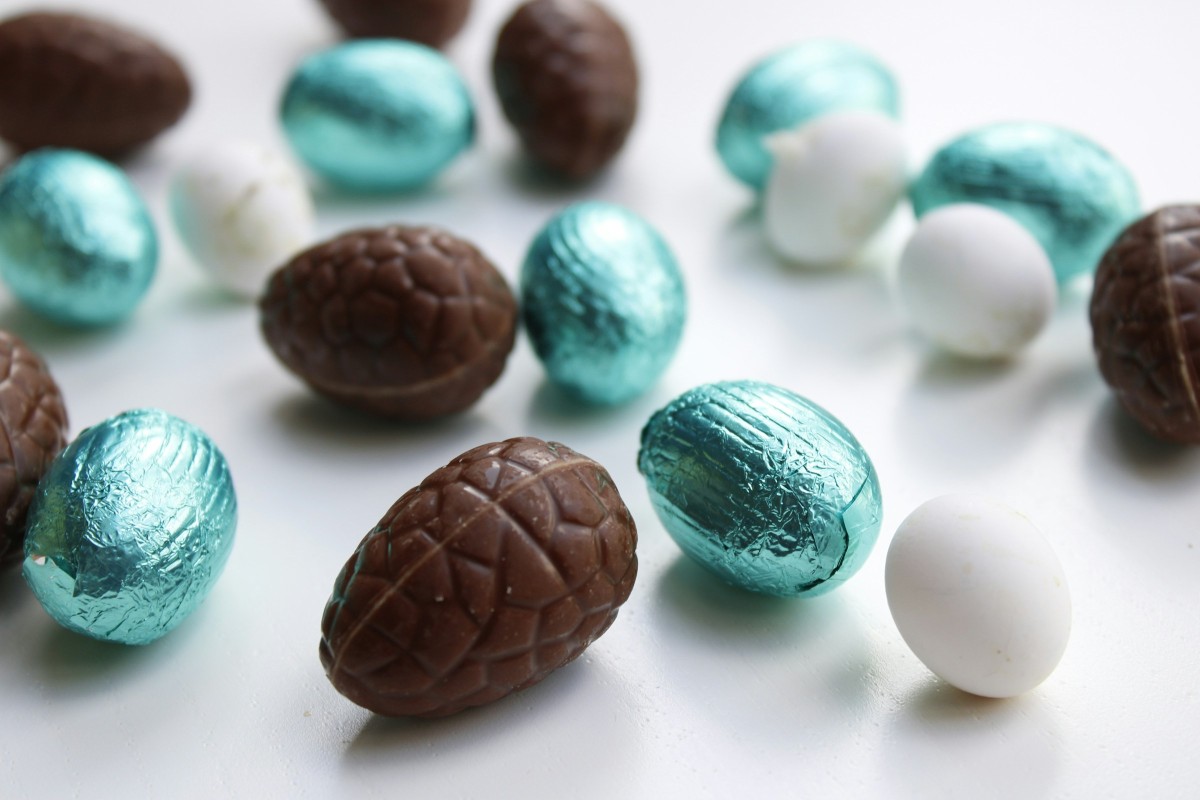
Yes, but they’re less central than in the UK. Chocolate eggs, known as huevos de Pascua, are sold in supermarkets and given to children, often with a small surprise inside. In some regions, the decorated Mona de Pascua has largely replaced the classic Easter egg tradition.
What is a traditional Spanish Easter meal?
A traditional Spanish Easter meal often starts with olives, cheese and seafood.
- The main dish is likely to be lamb or bacalao, depending on the day.
- Side dishes might include roast potatoes or a serving of potaje de Vigilia during Holy Week.
- Dessert is almost always one of the classic Spanish Easter sweets like torrijas or roscos.
Why is meat avoided during Holy Week in Spain?
The custom comes from Catholic tradition, where Lent and Good Friday are days of abstinence and reflection.
Avoiding meat was historically seen as a form of sacrifice, with fish like cod becoming the alternative. Not everyone observes this strictly today, but the food traditions remain strong.
Easter in Spain 2026
In 2026, the Holy Week dates are from Sunday 29th March to Sunday 5th April, with Easter Monday falling on 6th April in those regions where it is a public holiday in Spain.
Stay in the know about living in Spain as a foreigner—get our weekly newsletter for the latest travel, legal, and lifestyle news.
For a taste of the high life, sign up for the monthly luxury market round-up.