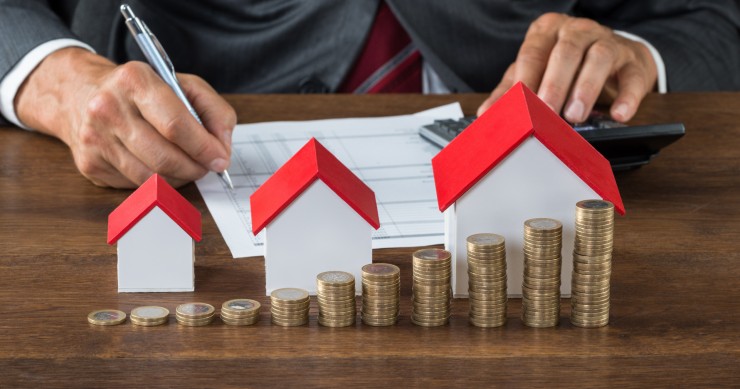
Buying a home in Spain in 2026 can be one of the most exciting financial decisions you make, whether it’s a sun-soaked villa on the Costa del Sol, a modern apartment in Madrid, or a traditional townhome in Valencia.
When buying or selling a home, the process involves not only the value of the property itself but also additional costs such as notary fees, property registration, taxes and other administrative expenses.A common question arises: which costs of a property transaction are the buyer's responsibility,
Do you want to sell your house but are unsure of the costs involved? Unfortunately, there isn't a simulator that automatically calculates this, as it depends on various factors.
In 1999, the Spanish government modified the regulations governing the municipal capital gains tax, the tax paid when selling a property, and since then foreigners not resident in Spain have been exempt from declaring and paying this tax, i.e.
Home swaps have been growing in recent months in Spain, as a result of the emergence of covid-19. This alternative to traditional sales and purchases have now totalled 1,230 transactions between January and September, according to the INE.
As Idealista readers may recall, Spain’s Constitutional Court overturned plusvalia tax last 26th October 2021. We published a detailed article at the time.
Most non-residents are vaguely aware that on selling property in Spain, a buyer practices a 3% retention on the sale proceeds which is paid directly to the Spanish Tax Office.
When as a property owner you transmit your home, whether you sell it or donate it, you’ll naturally want to pay as little tax as possible and make the greatest profit you can.
Many people have doubts about the taxes they will have to pay when buying or selling a home in Spain. This article seeks to explain the resident and non-resident tax on the purchase and sale of property in a simple way, with the help of economist and tax advisor José Miguel Golpe Saavedra.
On selling property in Spain, you are liable for two taxes: plusvalía and capital gains tax (CGT). In this short article on Spanish tax, we will focus on four strategies to mitigate a seller’s exposure to CGT, which range from completely negating it to reducing it significantly.
The following
When a taxpayer sells a home in Spain, they are obliged to pay the infamous municipal capital gains tax (called the plusvalía municipal in Spanish) unless they have incurred losses from the transfer.
Almost all transactions are taxed and it’s very difficult to escape tax control. However, there are occasions when you can be exempt from paying certain taxes.