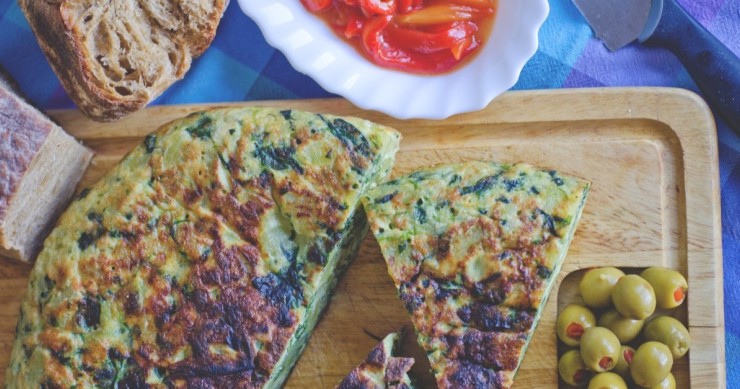
Valencian cuisine is one of Spain’s most celebrated culinary traditions, shaped by its connection to the Mediterranean, fertile farmland and centuries of history.
Interview first published in Spanish, April 2025, on idealista.com/news. It’s an ordinary weekday, nothing out of the ordinary. Outside the door of a restaurant in Madrid, a large group of tourists listens to the story of the place.
If you spend any real time in Spain, you quickly notice something: cafés and bars are never empty for long. Eating out isn’t ring‑fenced for birthdays or special occasions; it’s stitched into the rhythm of daily life.How often do people eat out?
A home-grown Spanish supermarket group has climbed to the top of the global grocery pecking order, not by being the biggest, but by being the most profitable. It is now also among the world’s strongest brands and the only Spanish name in the top 10 for brand strength in the Brand Finance Global
Named by Viajar magazine as the Galician village with the best food, Combarro sits on the Pontevedra estuary and has fewer than 1,500 inhabitants. Here, there are no tourist menus or fancy presentations.
If you’ve already ticked off churros and flan, it’s time to go regional. Across Spain, you’ll find festival pastries, creamy classics and delicate almond sweets that locals adore but many visitors never spot.
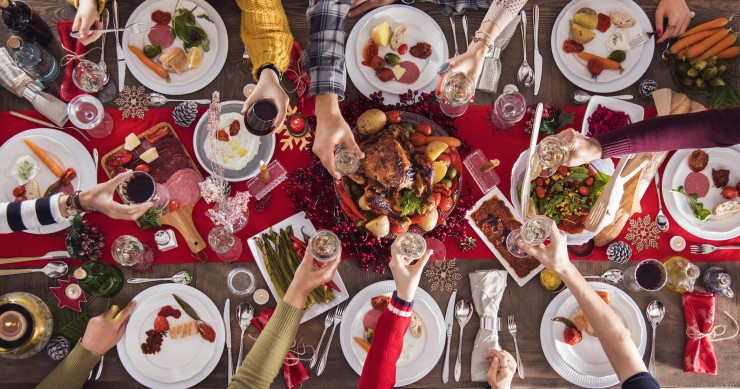
Christmas in Spain is a long, food‑centred season running from Nochebuena through Christmas Day to Reyes. Families linger over traditional Christmas food in Spain with long lunches and generous starters, roasts and shellfish.
Spain’s next food spotlight is set: Jerez de la Frontera will carry the Capital of Gastronomy title through 2026, with the handover from Alicante scheduled in January.What the title means and key datesThe Capital of Gastronomy is an annual recognition awarded since 2012 to a Spanish city that stands
Late October in Spain smells of roasting castañas and warm sugar. Bakery windows fill with inviting treats, while street braziers serve hot boniatos and cups of thick chocolate.
Food is practically a way of life in Spain, with a culinary heritage that goes back centuries. The country's gastronomy is incredibly varied, and you'll find that so much of the local culture is best understood through what's cooking in the kitchen.
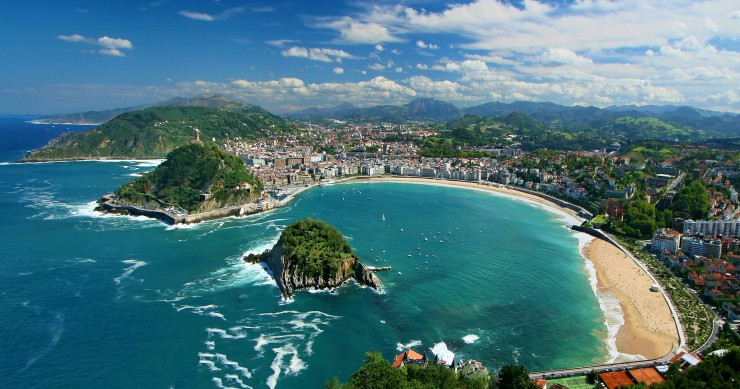
Located on the coast of the Bay of Biscay, in Spain's Basque Country, San Sebastián—or Donostia, as it's known in Basque—is a city that effortlessly combines Belle Époque elegance with its status as a world-class foodie playground.
Spaniards love to eat, and anyone who has ever spent some time in Spain, either on holiday or living in the country, will know that socialising around the table with Spanish cuisine is a big part of life.
Spain is a country that takes great pride in its traditional Christmas food, with a wide range of sweet treats and delicious meals enjoyed throughout the festive period.
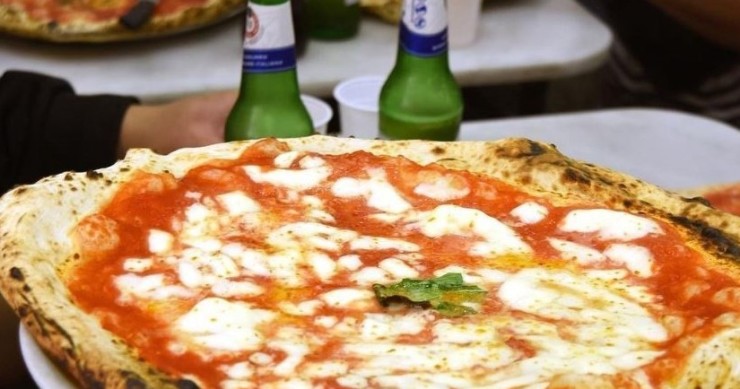
The renowned Neapolitan pizzas of L'Antica Pizzeria Da Michele, established in 1870 in Naples and featured in the film Eat, Pray, Love with Julia Roberts, are expanding internationally. Following its successful debut in Barcelona in 2017, the pizzeria is set to open its first location in Madrid this September.
Spaniards spent 12.4% more in February on their food shopping than a year earlier, with a 15.4% increase in average prices and a 2.6% drop in volume sales, offsetting the fall compared to January, according to data published by the consultancy firm NIQ.
More specifically, for yet another month, foo
As with other products that have gone global, such as McDonald's Big Mac or Coca-Cola soft drinks, the price varies greatly depending on which country you are in. The map below shows a quick glance at the price of a Tall Latte, the star of the Seattle-based chain Starbucks.
Spain has much more to offer than just its famous beaches, and this is evident from the thousands of tourists who flock to Spain every year to indulge in its gastronomic delights. However, when it comes to Spanish food, there are a few dishes that certainly aren't for the fainthearted.
When moving to another country, or when going on holidays, one thing to check before travelling is the time of different meals. Lunch and dinner times in Spain have always been a talking point due to the cultural difference with other neighbouring countries.
Spain has long been known for its gastronomy and while it might not get as much attention as the beaches and tourist resorts, it is a vital part of both Spanish culture and the tourism industry.
If you’re visiting the Canary Islands in Spain and looking for some unusual things to do in Lanzarote, you can’t do much better than eat El Diablo restaurant, the famous volcano restaurant where they cook the food without electricity or gas but using the heat of the volcano. Discover Spain's mo