Spain approved a new housing decree in October 2026 which introduces a slew of significant novelties, including for holiday homes. Chief among them, holiday homes are now equated to running a business.
As summer approaches, Spain’s coastline is once again attracting luxury buyers. According to Barnes, destinations such as Marbella, Mallorca, the Costa Brava, the Basque Coast and Ibiza are leading a new vision of high-end living. More than just holiday hotspots, these locations combine privacy, security, international connectivity, gastronomy and quality of life – making them some of the country’s most sought-after residential markets.
Spain’s government is preparing a new housing package that combines a sharp increase in VAT on tourist rentals with measures to extend and stabilise rental contracts, presented as part of its response to the country’s housing crisis.Spain’s new housing push: why it matters if you own or rentThe Span
Concerns about smoking in rental properties are common among landlords – largely due to potential damage and persistent odours. Lawyer José Ramón Zurdo, CEO of Agencia Negociadora del Alquiler, confirms that it is entirely legal to prohibit smoking in a tenancy agreement. However, the clause must be clearly stated and precisely worded – ensuring there is no ambiguity, and it may even apply to specific areas within the property.
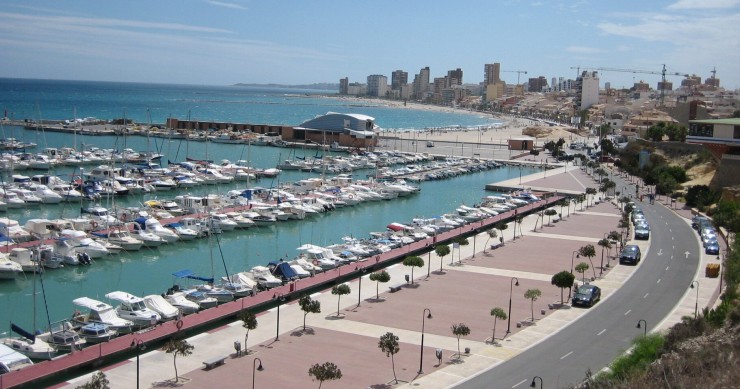
One residential estate along the coastline of El Campello in Alicante has established itself as one of the province’s best-known residential areas. This enclave combines private residences with tourist accommodation, resulting in a setting that remains lively throughout the year, welcoming both permanent residents and seasonal visitors.
Valencia has approved a new set of rules for tourist accommodation that local officials describe as “the most restrictive in Spain” for holiday lets. The measures, which entered into force in late May 2026, are designed to put an end to what the city government calls a “free‑for‑all” in tourist
It’s no secret that Spain faces a huge housing problem, which has only been compounding and aggravated over time, with the laws the government has approved in a continued market interventionism, which is backfiring. Spain’s property and rental prices have reached all-time highs.
A ruling by the High Court of Justice of Catalonia clarifies a common misunderstanding among tourist‑rental owners – it is not enough to declare only occupied days or to deduct all annual expenses without justification. Property owners must report the entire year, distinguishing between periods that generate rental income and those subject to imputed income. The court also stresses that the burden of proof lies with the taxpayer – and that a lack of documentation invalidates any deductions claimed.
All Iron RE I Socimi and Líbere Hospitality Group have opened a new building with 23 tourist apartments in the heart of Málaga city centre. The property is owned by the REIT, which acquired it in 2021 for €11.2 million, while management and operations are handled by the specialist short‑ and medium‑stay operator. Located at 13 Calle Correo Viejo, next to Plaza del Siglo, the five‑storey building offers a total built area of 2,159 m².
Behind every room search is someone starting a new job, moving to another city, leaving home for the first time or needing to find something quickly because their current contract is ending soon.
Spain has fired a clear warning shot at the short‑term rental market, after the country confirmed that Airbnb must face a €64 million fine.What has Spain fined Airbnb for?The fine was originally imposed in December 2025 by Spain’s Ministry of Social Rights, Consumer Affairs and Agenda 2030. It
The number of active tourist accommodations in Spain has fallen sharply. According to the latest data from the Spanish Statistics Institute (INE), there were 329,764 holiday flats nationwide in November 2025 – 12.4% fewer than a year earlier (376,463) and 13.6% fewer than in May (381,837), just before the short-term rental register came into force.
Marbella-based Larraín Nesbitt Abogados (LNA) has over 23 years of experience at your service. We offer a wide range of 60 legal and corporate services. Our team of native English-speaking lawyers and economists have a long track record of successfully assisting expats all over Spain.
The Spanish College of Property Registrars has received more than 400,000 applications from owners seeking a registration number for short-term rental properties. Mandatory since 1 July, this requirement applies to tourist, short-term and room rentals. Properties without this code cannot be advertised on digital platforms.
Whilst everyone, myself included, was distracted preparing for the 2025 end-of-year festivities (Hogmanay in Scotland), the Spanish government was busy, sneakily publishing a new law in Spain’s Official Law Gazette (BOE) on the last day of the year that concerns all landlords of short-term prop
2025 marked an unprecedented regulatory shift in the short-term rental market. The introduction of the Single Registration Number reshaped how owners, rental managers and platforms operate, requiring thousands of properties to regularise their status to continue listing on portals where payments are processed.
Tourist accommodations in Málaga will not face a separate waste collection fee. The city council has rejected a distinct system for holiday homes, meaning they will be charged like regular residential properties. The council estimates that waste collection will cost €63 million annually, to be covered by city residents, averaging around €140 per household each year.
The mayor of Palma, Jaime Martínez, has announced his intention to prohibit any new tourist rentals across the entire municipality of the Balearic capital.
Málaga has taken a major step to balance its booming tourism sector with the local housing market. The city council has confirmed that it will suspend new licences for tourist accommodation for the next three years, following a promise made by Mayor Francisco de la Torre.
Discover the key differences between tourist rentals and seasonal lets in Spain, from legal requirements and contract lengths to taxation and tenant rights. Whether you're a property owner or tenant, understanding these distinctions is essential for making informed decisions in the Spanish rental market.