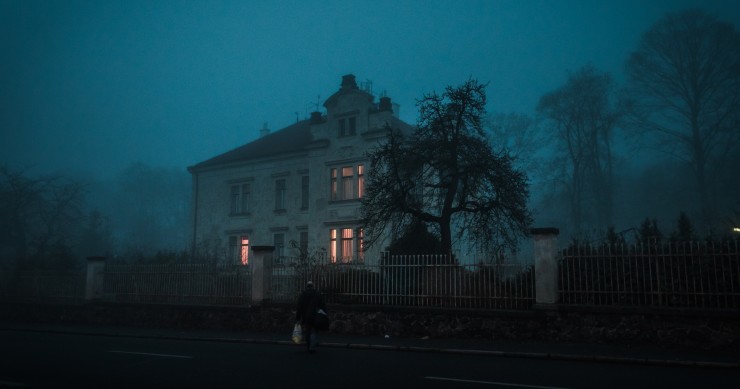
When we think of nature in Spain, mountains, cliffs and beaches often come to mind – yet beneath these landscapes lies a lesser-known world of underground galleries, hidden rivers and remarkable geological formations that can be explored on foot.
Spain welcomed nearly 96.8 million tourists in 2025, the highest figure in its historical series. In June 2025 alone, Cataluña recorded almost 2 million tourists and Andalucía 1.4 million.
Spain is a country of great geographical diversity, with thousands of kilometres of coastline stretching between the Mediterranean Sea, the Atlantic Ocean and the Cantabrian Sea. From the warm southern latitudes to the cliffs of the north, its territory offers a wide variety of landscapes.
While the province of Valencia might seem synonymous with beaches, fertile farmland and a Mediterranean climate, its interior hides a very different landscape.
Cultural tourism often brings to mind grand cathedrals and monumental temples – yet Spain is also home to the smallest church in the world. Hidden inside Colomares Castle in Benalmádena (Málaga), the Church of Saint Elizabeth of Hungary measures just 1.96 square metres. Despite its tiny size, the chapel holds a unique place in architectural history and is recognised by the Guinness World Records, combining exceptional heritage value with a remarkable curiosity.
Cantabria is renowned for its cliffs, wild beaches, green valleys and small towns. But in the far south – away from the coastal bustle – lies the region’s largest municipality, a territory spanning almost 300 km² that conceals some of Cantabria’s most spectacular and lesser‑known landscapes.
12 August is fast approaching and anticipation continues to build. On that day, much of northern and eastern Spain will be plunged into darkness for more than a minute during a total solar eclipse – the first of the so-called Iberian trio set to continue in 2027 and 2028.
Menorca, the easternmost of the Balearic Islands, is an island shaped by the sea and a fascinatingly diverse history. Its strategic location made it a coveted enclave since antiquity, sought after by the Phoenicians, Romans, Muslims, Aragonese and, later, the French and British.
Big‑budget franchises use Spain for palaces and desert chases, but some of the most interesting screen moments happen in quieter corners and smaller productions.
If big resorts and packed beach clubs are starting to feel a bit samey, Spain’s lesser‑known islands are a nice surprise. Scattered around the Canary Islands and the Balearics, these spots offer quieter beaches, proper hiking, and dark skies for stargazing.
El Hierro is the tiny western outpost of Spain’s Canary Islands, a place of lava cliffs, laurel forests and natural rock pools. When it comes to things to do on El Hierro, the focus here is on simple pleasures.
Overtourism is biting in parts of Spain—crowded old towns, housing pressure, and cruise‑day crushes have stirred local pushback. The calmer route away from overtourism hotspots is smart place‑and‑timing.
For authentic alternatives to Spain’s tourist resorts, think compact old towns, protected coasts and mountain parks with capped development. Shoulder‑season, mid‑week trips and rail or bus links usually keep things calmer and cheaper.
Palma de Mallorca is easy to settle into. It has a compact Old Town, a palm-lined seafront and a gentle coastal pace. For things to do in Palma de Mallorca, start with free plans—courtyard peeks, harbour viewpoints and long waterfront walks.