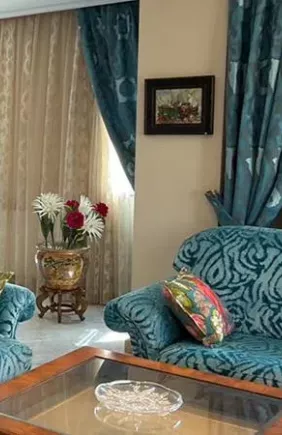
We all know that the products and items we buy come with a warranty: a car, a washing machine, an electric toothbrush... but what about any renovation work that you do at home? Can you get a guarantee on refurbishments that you carry out on your house?
Before addressing this issue, you must know that in order for you to be able to get a warranty against the professional who has done the work, EVERYTHING MUST BE INVOICED (and we put it in capital letters because we know how much people want to pay for services in Spain without formal bills). Without a receipt, you can't claim anything. Now that’s out the way, let’s turn to the subject of this article.
"Renovations are carried out in a pre-existing space with all its defects and virtues, and everything influences the result. Many times, it’s difficult to know whether any defects present after the refurbishment are due to malpractice on the part of the workman or to the state of conservation of the building in general,” says Pablo García, from Atrezo Arquitectos. “The quality of the materials and the way they are made must also be taken into account. Some problems can arise from using materials without looking at the manufacturer's instructions and in these cases, the manufacturer cannot be held responsible for the damage caused."

The manufacturer is not responsible, but the builder/refurbisher or contractor is always responsible: "What happens is that it is very common for them to just disappear because they have to answer for themselves, so it’s really important that they have liability insurance," adds Pablo. This coverage should be contracted by either the tradesman themselves or the platform through which you hire them.
What Spanish laws regulate building warranties?
There are two laws in Spain that relate to these concepts and they are the Building Standards Law (Ley de Ordenación de la Edificación) and the Civil Code. "In the Civil Code, chapter III is devoted to the lease of works and services. Article 1591 establishes a ten-year guarantee on hidden defects and a fifteen-year guarantee if the defects are due to failure to comply with the contract (or if they have not adhered to the specifications set out in the project)," says Pablo García.
Chapter IV of the Building Standards Law (Law 38/1999 of 5th November) is devoted to responsibilities and guarantees, with 3 articles:
Article 17: Civil liability of the agents involved in the building process.
Article 18: Limited periods for claims.
Article 19: Warranties for material damage caused by construction flaws or defects.
As Pablo explains, these three articles basically state that "there is a ten-year period for liability for material damage caused to the building by flaws or defects affecting the foundations, supports, beams, slabs, load-bearing walls or other structural elements, which directly compromise the mechanical strength and stability of the building. In other words, if our refurbishment work doesn’t affect the building structure, this ten-year guarantee will not apply."
There is also a period of three years for material damage caused to the building by flaws or defects in the construction elements or installations that don’t comply with the requirements for habitability. An example is the presence of damp or poorly executed sanitation connections that allow insects to enter.
"The builder shall also be liable within a period of one year for material damage caused by defects in execution or workmanship that affect the elements of finishings of the works," says the expert. The builder is defined as the one who actually carries out the work, regardless of whether they work for a large company or whether they’re self-employed.
This is the most interesting and the one that applies to almost all refurbs: a term of one year to claim back for the finishing elements like floors, wall tilings, plastering, taps, partitions, carpentry and more.
To ensure that they comply with the provisions, you may request insurance or a financial warranty to guarantee, for one year, compensation for material damage due to flaws or defects in workmanship that affect the finishings of the works. This insurance may be 5% of the amount of the material execution of the work.
What should be on the invoice?
We must insist once again, however, on the issue of the invoice: in order to make a claim you must have an invoice which includes the following elements:
- The company's identifying CIF number and address, or a NIF if they are self-employed;
- Specific details of the work that has been done. The more detailed the invoice is, the more guarantees you will have on the work carried out;
- The net amount to be paid must be separated from the Spanish VAT tax (IVA);
- The date of issue;
- Signature of the self-employed worker or a stamped seal from the company.